Sports Injuries and Arthroscopic (Keyhole) Surgery
Amateur and professional athletes experience a broad range of problems, from sudden acute injuries to chronic overuse conditions. This page explains which symptoms suggest which injuries and how return to sport is planned.
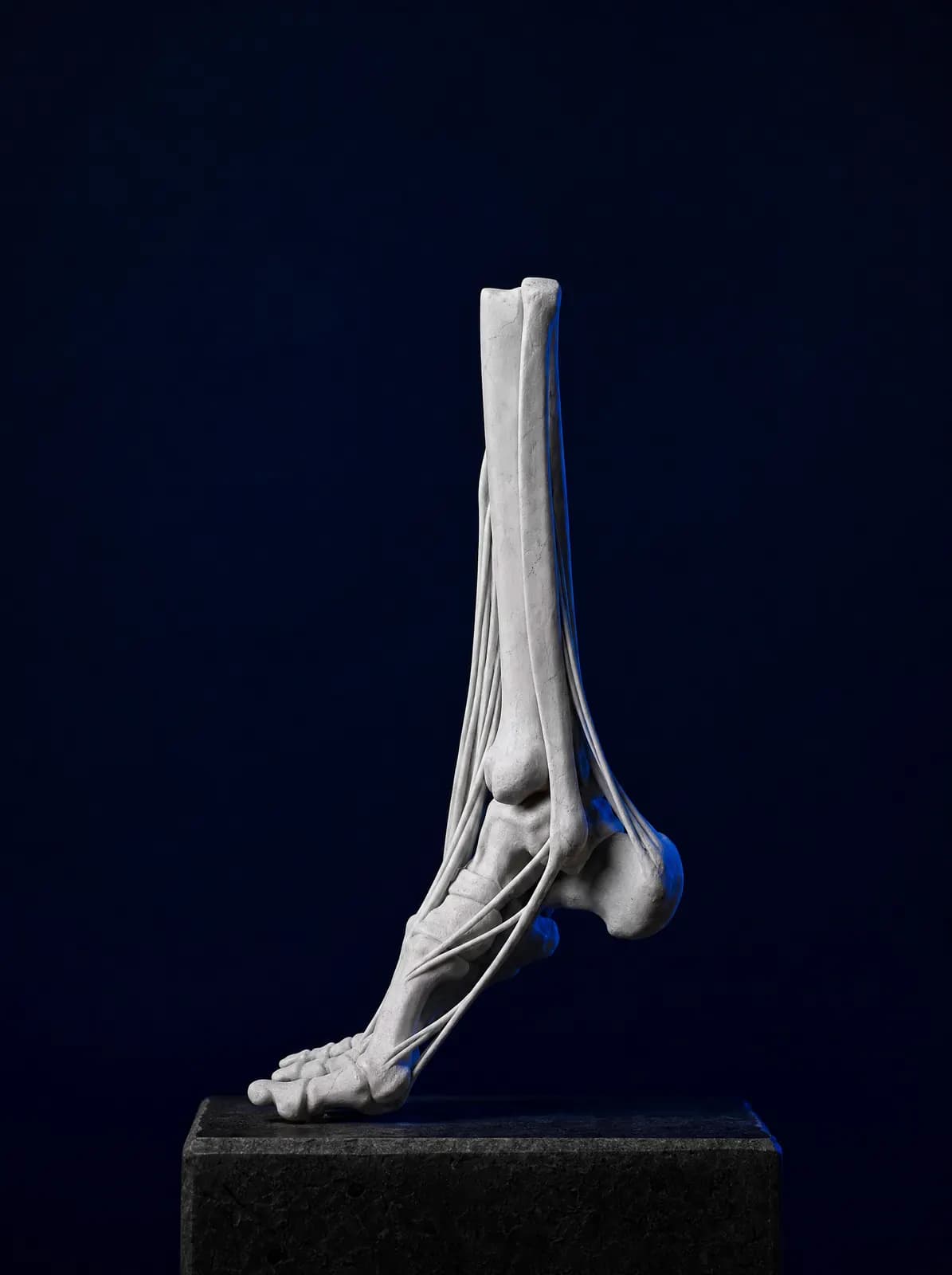
Sports injuries fall into two main groups. The first is sudden (acute) injuries: sprains, muscle tears, ligament injuries, dislocations and fractures occurring suddenly after contact, a fall, a sharp turn or a jump. The second is overuse injuries: tendon problems, stress fractures and bone marrow oedema that develop gradually over weeks after an abrupt change in training load, surface or technique. The treatment principles differ between these groups; the first question is therefore not 'how much does it hurt?' but 'how did it happen?'.
Assessment considers the sport, weekly training load, injury mechanism, previous injuries and the season's schedule together. The same meniscal tear may be managed differently in a handball player mid-season and someone who runs twice a week. The aim is twofold: allow the tissue to heal and prevent recurrence of the injury.
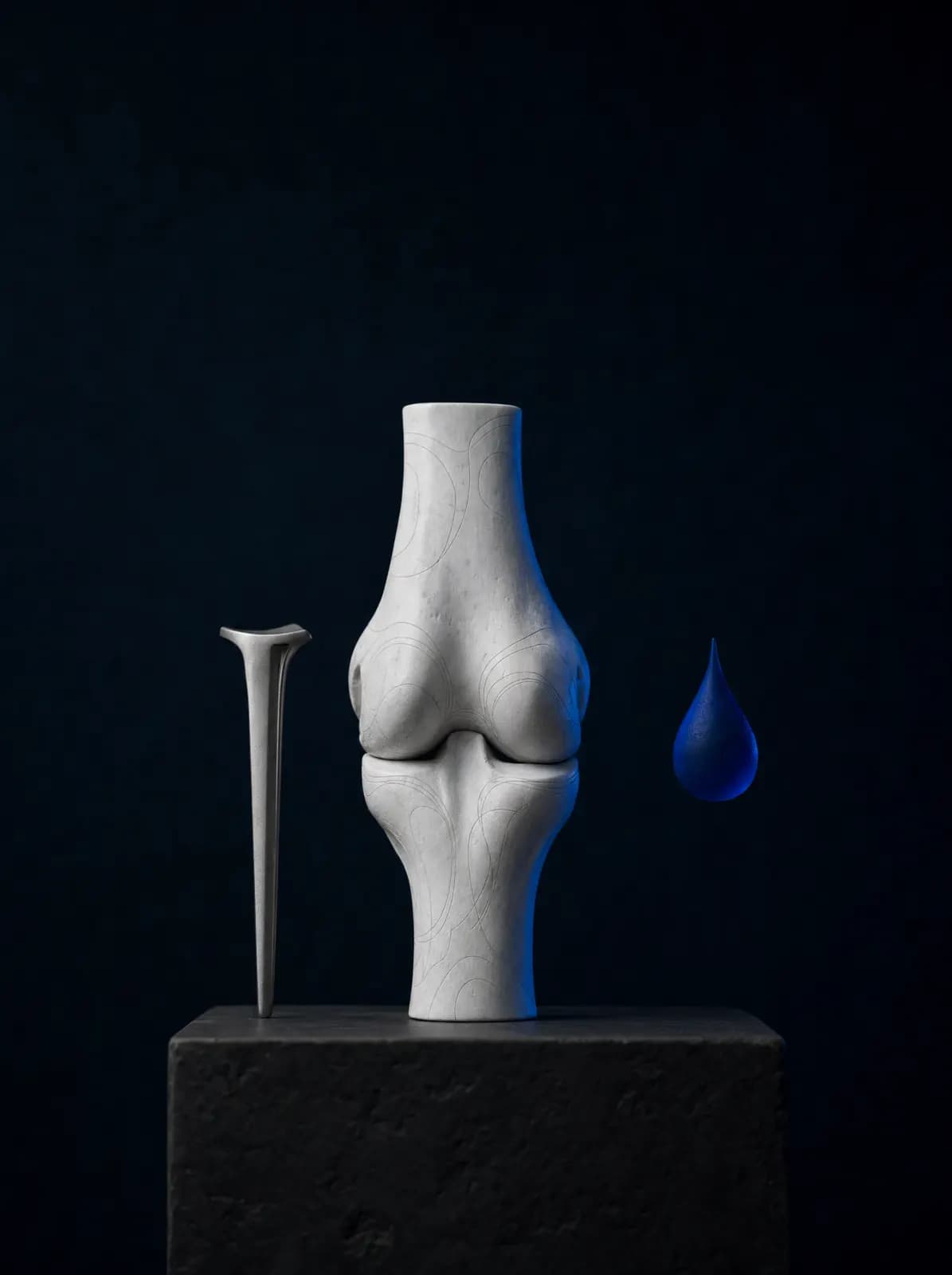
AC CLINIC in Altınordu, Ordu, provides examination, X-ray and MRI assessment when needed, joint injections and planning for arthroscopic surgery. Athlete follow-up and return-to-sport decisions consider the sport and season schedule together.
This is an overview page: diagnoses such as meniscal tears, anterior cruciate ligament injuries, rotator cuff tears and heel spurs are explained in detail on their own pages. The table below helps you find the right page from your symptoms. For an overview of athletes' shoulder problems, also see shoulder conditions.
By Symptom
Which Injuries Occur in Athletes?
The headings below cover the most common tissue injuries in athletes. Several may coexist in one person, so diagnosis uses injury mechanism and examination alongside imaging rather than one scan alone.
Muscle Tear (Muscle Strain)
This is partial or complete tearing of muscle fibres during sudden stretching or acceleration. It most often affects the hamstrings, calf or groin muscles. Athletes commonly describe 'something snapped, like a whip striking', followed by pain and weakness when contracting the muscle.
Tears are graded: partial fibre damage usually improves with rest, controlled loading and gradual strengthening; complete ruptures and avulsions from the tendon-bone junction may require surgery. Reinjury risk rises markedly with an early return, so the decision is based on examination and strength testing rather than the calendar.
Sprains and Ligament Injuries
A sprain stretches the ligaments holding a joint together beyond their tolerance. It most often affects the outer ankle ligaments, followed by the medial knee ligament and the fingers and toes. Swelling, bruising and tenderness around the joint are typical.
Mild and moderate sprains are usually treated without surgery: brief protection, swelling reduction and then balance and strength work. However, giving way, continued inability to bear weight after the first day or recurrent sprains warrant assessment for ligament damage and accompanying cartilage or bone injury. For knee ligament injuries, see anterior cruciate ligament (ACL) injury.
Tendon Injury and Tendinitis
A tendon is a strong structure connecting muscle to bone. Repeated loading can disrupt its structure (tendinopathy); pain initially improves after warming up, then may persist throughout training. Achilles, patellar and shoulder tendons are commonly affected in athletes.
The foundation of treatment is not simply reducing load but reorganising it appropriately: eccentric strengthening, reviewing technique and equipment, and gradual progression. Painkillers and physiotherapy are supportive. For foot and ankle tendons, see foot and ankle conditions; for shoulder tendons, see shoulder conditions.
Crush Injury, Bleeding (Haematoma) and Swelling
A direct blow causes bruising of muscle and subcutaneous tissues; vessel damage causes blood to collect within tissue (haematoma). Swelling, warmth and subsequent colour change occur. Most blunt injuries settle on their own.
Rapidly increasing swelling, pain worsening out of proportion to the impact, a tense area and numb or cold fingers may indicate an emergency (compartment syndrome). Attend the nearest emergency department without delay.
Bone Marrow Oedema
It is fluid accumulation and an inflammatory response within bone, detected by MRI rather than X-rays. It often signals excessive loading, repetitive microtrauma or joint-surface damage and causes deep, persistent pain worse with weight-bearing.
Treatment prioritises temporarily reducing load, investigating causes such as alignment, training errors, cartilage damage and vitamin D or calcium status, and returning gradually. Bone marrow oedema is a finding, not a diagnosis; planning depends on its underlying cause.
Overuse Injuries
Tissue deteriorates when it lacks time to repair the effects of loading. Rapid increases in training volume, changes in surface or footwear, technique errors, inadequate sleep and poor nutrition are common triggers. Pain develops gradually, initially only after exercise, then begins to limit performance.
Treatment for this group is almost entirely non-surgical: managing load, improving movement quality and addressing strength and flexibility deficits. Continuing through pain is the most common reason these injuries become chronic.
Stress Fractures
These are fine cracks in bone caused by repeated loading rather than one impact. They most often affect the tibia, metatarsals and heel bone. Pain is localised, tender to finger pressure and worsened by running.
X-rays may be normal in the first weeks; MRI is requested if suspicion remains. Treatment generally involves unloading and a gradual return to activity; surgery may be needed in certain areas, such as around the hip or the fifth metatarsal, because of non-union risk. Menstrual irregularity, low energy intake and bone density are assessed together in female athletes; the osteoporosis page provides further information on bone health.
Runner's Knee (Pain Around the Kneecap)
This is pain around the kneecap, particularly downhill, on stairs and after prolonged sitting. Usually several factors contribute rather than one structure: hip and thigh muscle imbalance, foot alignment, sudden distance increases and technique.
Treatment is non-surgical: strengthening the hip external rotators and quadriceps, adjusting running volume and reviewing footwear and surfaces. If pain is accompanied by locking or giving way inside the knee, meniscal and ligament injuries must be distinguished; see meniscal tear for details.
What Should Be Done in the First 48 Hours After an Injury?
After an acute injury, the first aim is to control pain and swelling without worsening the damage. Stopping sport, protecting the area, elevating the limb above heart level and applying cold intermittently without direct skin contact are generally accepted initial measures. Early controlled movement within pain limits is preferable to complete rest, but examination determines when loading should increase.
Do not attempt relocation, pulling or rubbing at the sports venue; an incorrect manoeuvre can worsen ligament, nerve and blood vessel damage. Examination is needed if swelling and pain do not settle within 2-3 days, the joint gives way or pain returns when you try to resume sport.
If any of the following occur, call 112 or attend the nearest hospital emergency department without waiting for an appointment:
- If there is a deformity, open wound or obvious bony prominence
- If no weight can be placed on the injured limb or the arm cannot be raised at all
- If there is coldness, bluish discolouration, numbness or loss of sensation in the fingers
- If swelling increases very rapidly and pain becomes progressively more severe
- If accompanied by a head injury, loss of consciousness or neck pain
How Is Return to Sport Planned?
Returning to sport is a set of criteria, not a date. The answer to 'How many weeks until I return?' depends on the injury, the biology of tissue healing and the demands of the sport; the same injury may require a later return to a contact sport. The general framework has four stages: controlling pain and swelling, regaining range of movement, restoring strength and balance to a level comparable with the uninjured side, and then gradually introducing sport-specific movements.
Follow-up considers pain, joint range of movement, single-leg hop and balance tests, strength differences and the athlete's confidence together. Returning too early is a major recognised cause of reinjury at the same site. Seasonal pressure and medical criteria are therefore discussed openly, and the athlete, coach and doctor decide together.
Athletes from clubs, school teams and individual sports in Ordu and nearby areas are assessed within this framework at AC CLINIC; in-season follow-up and return-to-sport decisions are coordinated with the coach.
The Role of Injections and Regenerative Treatments
PRP and similar biological procedures may be considered for selected tendon and joint problems in athletes as part of a non-surgical plan. The level of evidence varies by injury type; some applications remain under investigation and are not suitable for every patient. For competitive athletes, the product must also be assessed for compliance with anti-doping regulations. For a comparison of methods, see regenerative and non-surgical treatments and PRP treatment.
When Is Arthroscopic (Keyhole) Surgery Considered?
Arthroscopy is surgery performed through small incisions using a camera and fine instruments inside a joint. It is planned for conditions such as meniscal tears, anterior cruciate ligament rupture, rotator cuff tears and shoulder impingement when non-surgical treatment has not helped or the type of tear requires surgery from the outset. The procedures performed in each joint are described on the relevant condition pages: meniscal tear, anterior cruciate ligament, rotator cuff tear and shoulder impingement syndrome.
Other Conditions to Consider in Athletes
Not every sports-related pain is a soft tissue injury. Pain that persists at rest, wakes you at night or accompanies weight loss or fever should raise consideration of bone and soft tissue tumours or bone and joint infections. Removal of foreign bodies such as glass, splinters or nails sustained on the sports field, and acute injuries such as fractures and dislocations, follow separate pathways. Recurrent injury may be associated with a deformity such as a leg-length difference or malalignment. These topics are covered on the pages below.
Other Topics Prepared in This Section
A detailed page on the following topic is being prepared; it will be linked here once published.
- Arthroscopic surgery: the method, preparation and recovery
Frequently Asked Questions
Diagnosis and surgical treatment of fractures, dislocations, ligament and meniscal injuries, and tendon problems are the responsibility of orthopaedics and traumatology. Rehabilitation is coordinated with physical medicine and a sports physiotherapist; these approaches complement rather than replace each other.
Recovery varies with the injury and tissue healing: a mild sprain may take days to weeks, while ligament repair may take months. Return depends on criteria rather than dates: painless movement, strength and balance comparable to the unaffected side, and pain-free sport-specific movements. A precise number of days cannot therefore be given.
Intermittent cold applications are preferred for pain and swelling in the first days, for short periods without direct skin contact. Heat may increase acute swelling and is considered later for muscle relaxation. Examination is needed if swelling and pain do not improve within a few days.
Continuing through pain is a common reason overuse injuries and stress fractures become persistent. If pain increases with movement, lasts into the next day or alters technique, loading should decrease and the cause be investigated. Load management is individualised after examination.
These methods may form part of non-surgical treatment for selected tendon and joint problems, but evidence varies by injury, some remain under investigation and they are not suitable for every athlete. Relevant anti-doping rules must also be assessed for competitive athletes. See regenerative treatments for details.
Yes. In growing children, growth plates at the ends of bones are weaker than ligaments; a force causing a sprain in an adult may injure a child's growth plate. A "simple sprain" in a child therefore needs confirmation through examination and, when needed, X-rays. See paediatric orthopaedics for conditions specific to children.
You can book by telephone or WhatsApp. Bringing previous X-rays and MRI scans, a medication list and your weekly training programme helps the assessment. The practice is not a 7/24 emergency department; in an emergency, call 112 or attend the nearest hospital.
Appointments and Contact
Call or contact us on WhatsApp to arrange an appointment. Briefly describe your symptoms; we try to schedule your examination and any necessary imaging on the same day.
- Opening hours
- 08:30–18:00Monday – Saturday
The clinic is not a 24/7 emergency department. For a fracture, dislocation, open wound, or inability to bear weight with fever, call 112 or attend the nearest hospital emergency department.