Joint Replacement Surgery: Overview
Joint replacement substitutes worn joint surfaces with specialised materials. This page outlines how the decision is made; each joint's own page provides the details.
What Is a Joint Replacement?
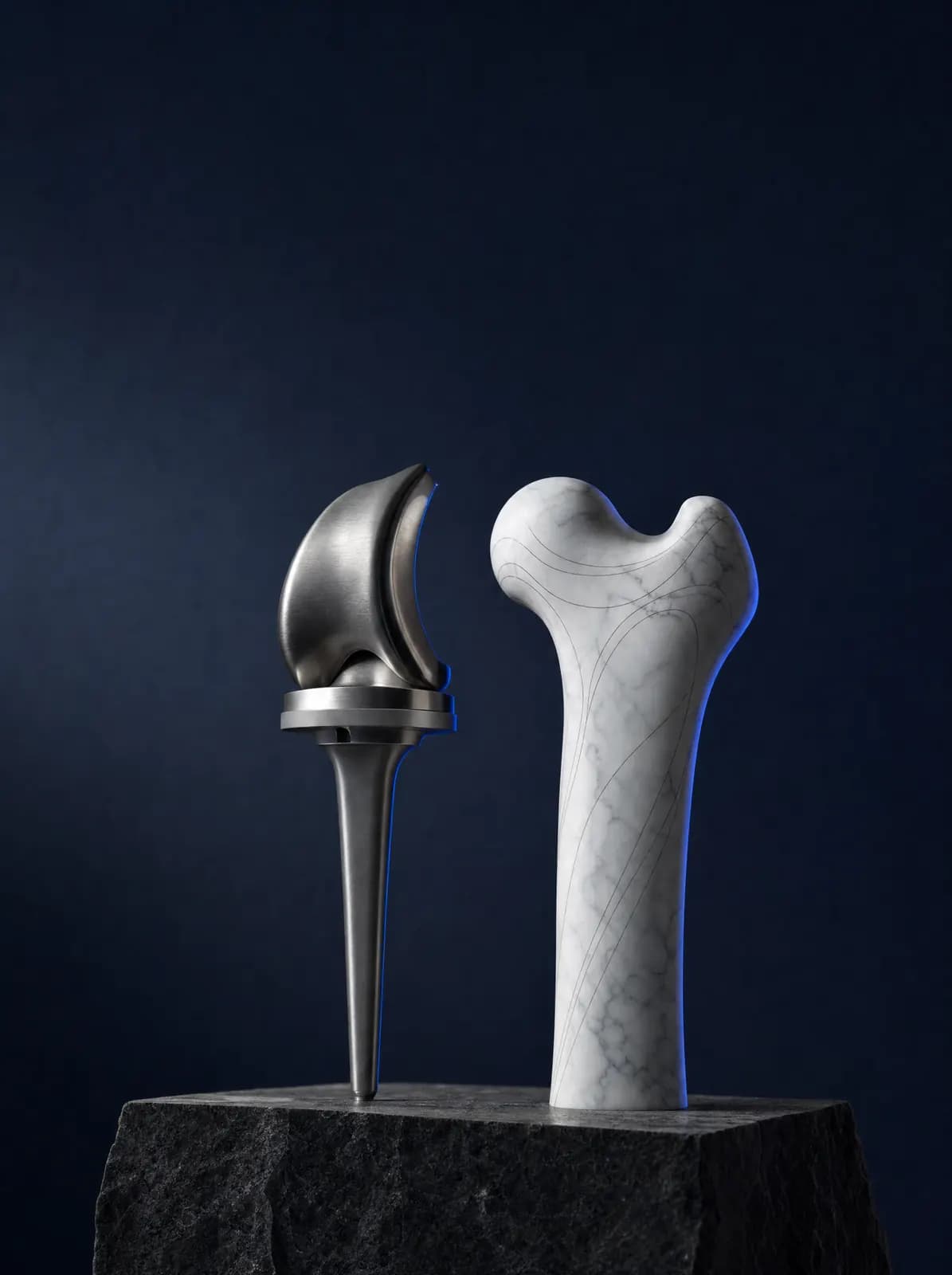
Joint replacement (arthroplasty) replaces the surfaces of a joint with extensively worn cartilage using metal, ceramic and specialised plastic (polyethylene) components. The aim is not to regenerate bone, but to reduce pain and restore movement by eliminating friction between bone ends. It is most commonly performed on the hip and knee, and less often on the shoulder.
Who Is It Recommended For?
Replacement is considered for advanced osteoarthritis, rheumatic joint disease, impaired blood supply to the bone head (avascular necrosis) and after some fractures involving the joint. The shared criterion is limitation in daily life, rather than the X-ray alone: pain disturbing sleep, markedly reduced walking distance, difficulty with basic tasks such as dressing or stairs, and non-surgical treatments no longer providing enough relief.
How Is the Decision Made?
The decision is not made in isolation during a single examination. Non-surgical options, including weight management, exercise, medication and injections when needed, are first tried consistently for an adequate period. If symptoms persist, your age, occupation, expectations, coexisting conditions and fitness for surgery are assessed together. Two patients with the same X-ray may be offered different plans; the reasons are explained clearly during consultation.
Implant Lifespan and Revision Surgery
Implant components wear over time and therefore have a limited lifespan. How long they last varies with age, weight, activity level, bone quality and the joint replaced, so a precise number of years cannot be given. Wear, loosening or another problem may require replacement of the implant; this is called revision surgery. The higher likelihood of revision when an implant is fitted at a younger age explains why age matters in decision-making.
What Generally Happens After Surgery?
Shared principles of joint replacement care include early standing and walking, measures to prevent blood clots and infection, an exercise programme to restore movement and muscle strength, and regular reviews. Recovery is gradual over weeks to months, with a pace that varies between patients. Details such as the operation, hospital stay and recovery timetable are provided on each joint's own page.
Which Joint Would You Like to Learn About?
Follow the relevant page for details. To assess suitability for joint replacement, book by telephone or WhatsApp at AC CLINIC in Altınordu, Ordu.

Appointments and Contact
Call or contact us on WhatsApp to arrange an appointment. Briefly describe your symptoms; we try to schedule your examination and any necessary imaging on the same day.
- Opening hours
- 08:30–18:00Monday – Saturday
The clinic is not a 24/7 emergency department. For a fracture, dislocation, open wound, or inability to bear weight with fever, call 112 or attend the nearest hospital emergency department.