Shoulder Pain and Shoulder Conditions: Treatment
Shoulder pain has several possible causes: tendon tears, impingement, a tight joint capsule and osteoarthritis can produce similar symptoms. This page helps you find the closest match and reach the relevant information.
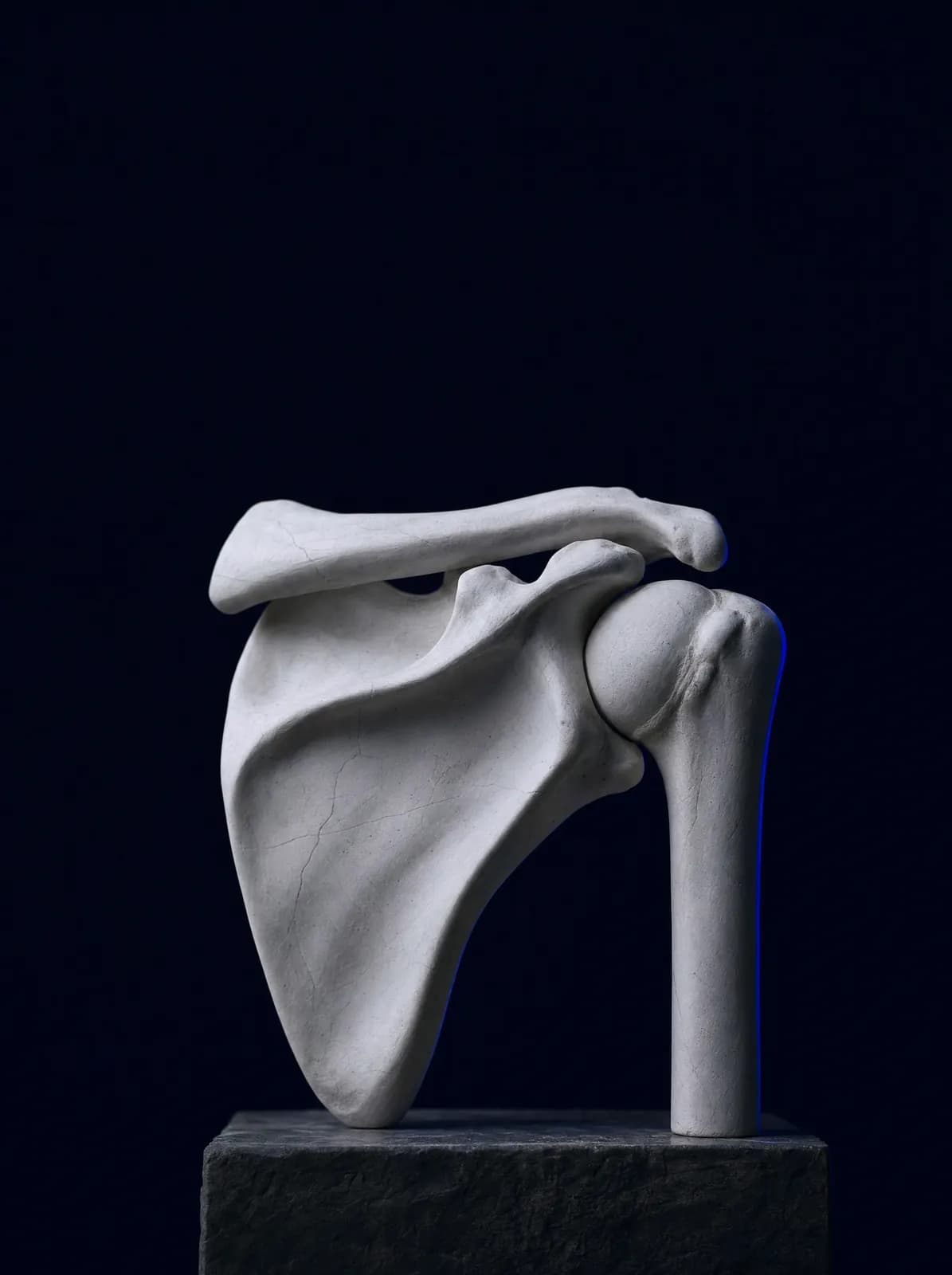
The shoulder has the widest range of movement of any joint. The head of the upper arm bone (humerus) sits in a shallow socket in the shoulder blade (glenoid); the tendons of four small muscles that stabilise it and lift the arm form the rotator cuff. This freedom of movement also makes the shoulder vulnerable to injury and wear.
Patients usually describe shoulder problems in one of three ways: "I cannot lie on my shoulder at night", "I cannot lift my arm beyond a certain angle" or "my shoulder is stuck and I cannot reach behind me". These often point to different conditions. Night pain and weakness suggest a rotator cuff tear; sharp pain at a particular angle suggests impingement; restricted movement both when you move the arm and when someone else moves it suggests frozen shoulder.
Pain does not always originate in the shoulder. Cervical disc problems and pain from the heart or gallbladder can be referred to the shoulder, so neck movement and the pattern of pain are also assessed. Similarly, the Turkish phrase for "calcification in the shoulder" may describe two different conditions: joint cartilage wear (shoulder osteoarthritis) or calcium deposits within a tendon (calcific tendinitis). This distinction changes treatment completely, so diagnosis is essential.
Most shoulder problems are managed non-surgically with activity modification, targeted exercises, medication and injections when necessary. Surgery is discussed after considering tear size, duration of pain, age, occupation and limitations in daily life together. Much shoulder surgery is now performed arthroscopically (through keyhole surgery), using a camera through small incisions.
Shoulder symptoms at AC CLINIC in Altınordu, Ordu are assessed through examination, detailed movement testing and imaging when needed. Treatment is planned together according to work, sport and expectations. Select the row closest to your symptoms in the table below to open the relevant page.
By Symptom
Topics

Shoulder Problems in Athletes
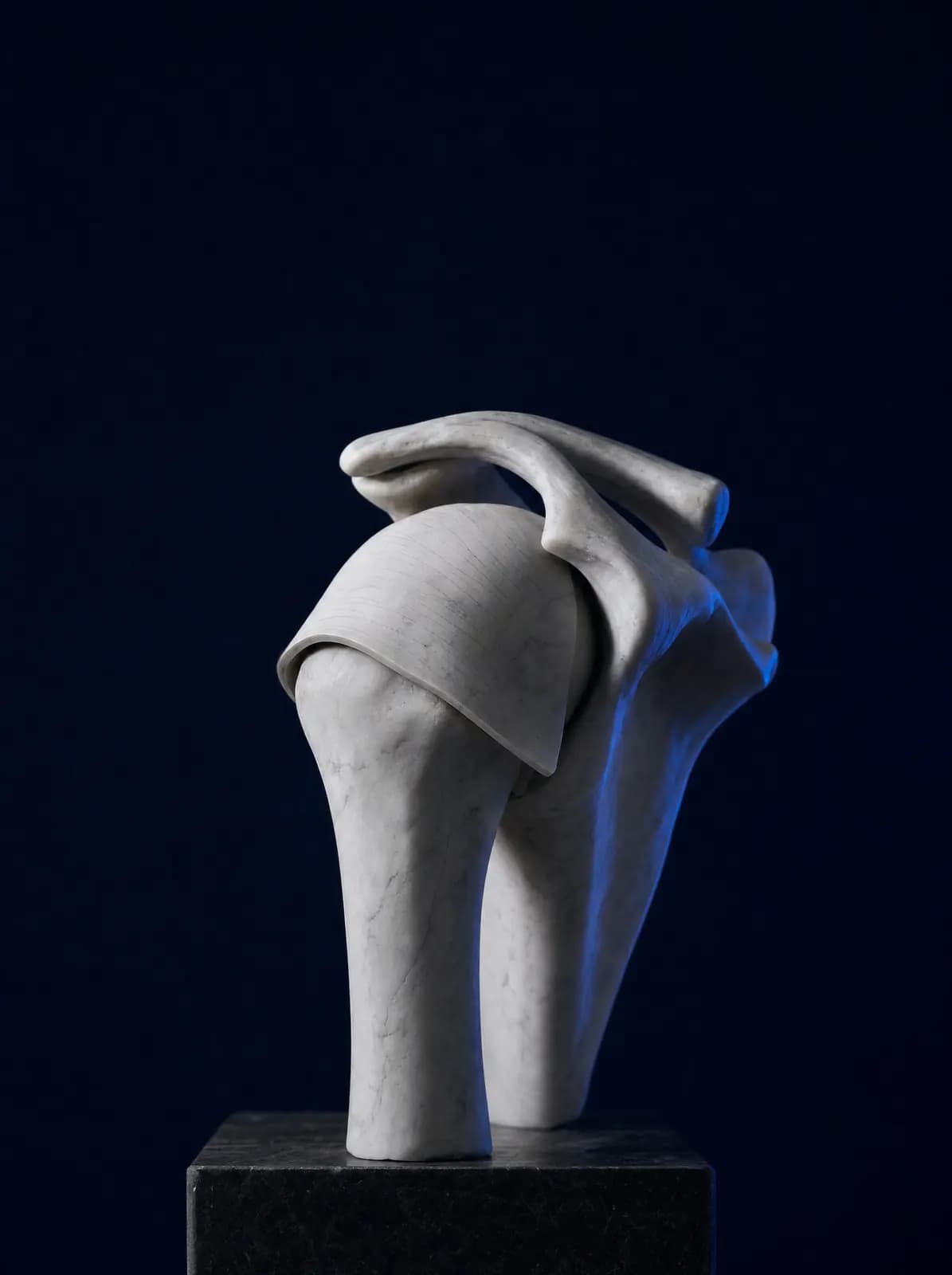
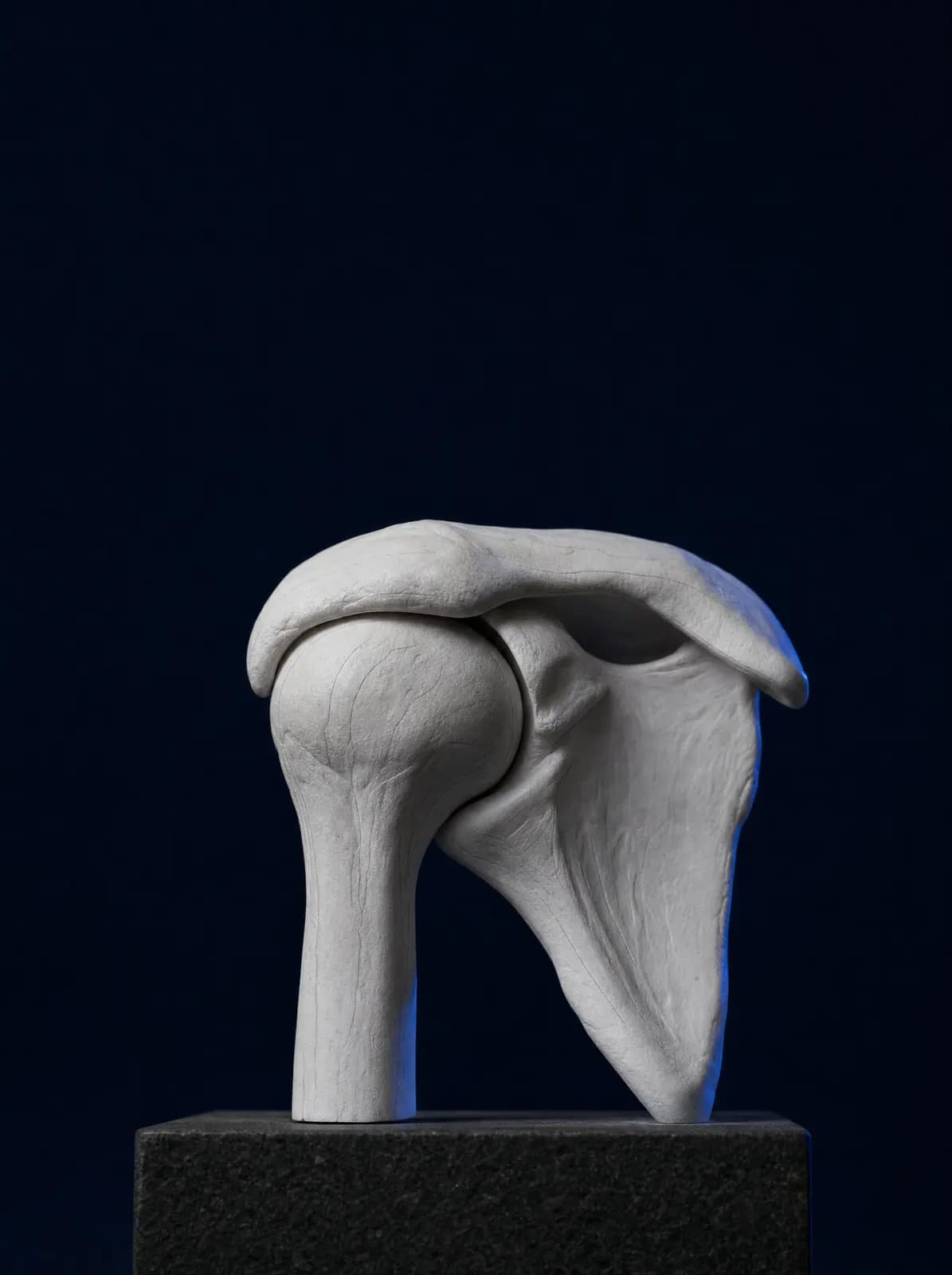
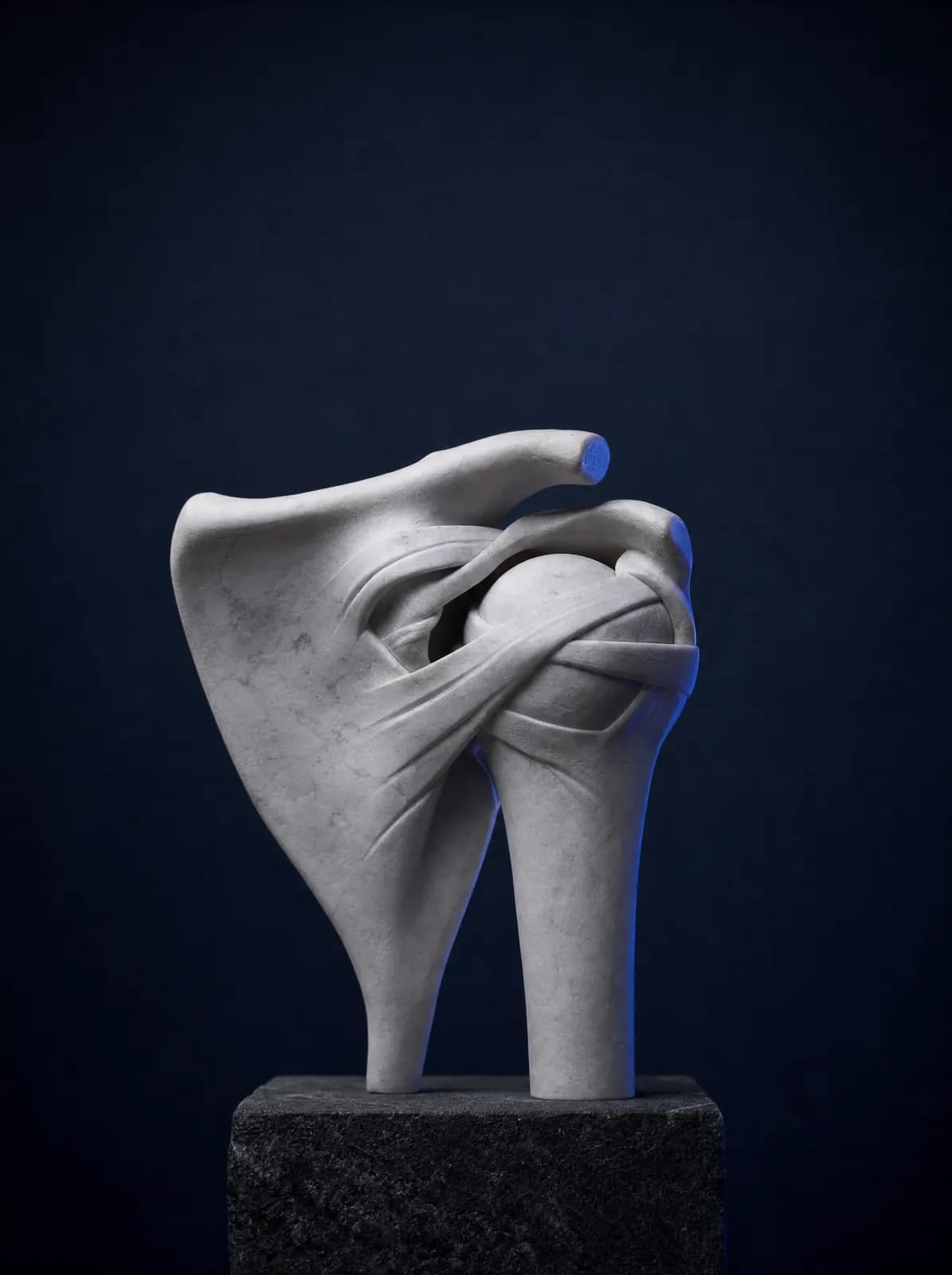
Volleyball, handball, swimming, tennis, weightlifting and throwing sports repeatedly load the shoulder overhead. Common problems include impingement, overuse injuries of the rotator cuff tendons, tears of the cartilage ring inside the joint (labrum) and shoulder instability, in which the joint becomes lax and prone to repeated dislocation.
For athletes, the aim is to restore balanced movement as well as relieve pain: shoulder blade control, strengthening the muscles at the back of the shoulder and technique correction are part of the programme. During the season, treatment starts with reduced loading; persistent symptoms may lead to imaging and, if necessary, arthroscopic assessment. For the general approach, see sports injuries and arthroscopy.
Shoulder and Collarbone Fractures
Falls, road traffic accidents and sports injuries most often fracture the collarbone (clavicle) or upper end of the arm bone (proximal humerus) around the shoulder; a dislocation may coexist. Complete inability to move the arm, obvious deformity, rapidly increasing swelling and bruising are warning signs of fracture.
Some of these fractures heal with a sling and monitoring; markedly displaced fractures or those involving the joint surface require surgery. The decision is based on X-rays and, when necessary, CT. General fracture management, casts, splints and follow-up are described on the fracture treatment page; dislocations and orthopaedic emergencies are covered in the fractures, dislocations and orthopaedic emergencies section.
Foreign Bodies, Lumps, Infection and Deformity in the Shoulder
Retained foreign bodies, palpable masses, bone or joint infection, and congenital or post-traumatic deformities can also occur around the shoulder; diagnosis and treatment are covered on their respective main pages. Rapidly growing shoulder swelling with night pain and weight loss requires prompt assessment.
Shoulder redness, warmth and severe pain with fever may indicate joint infection. This is an emergency: call 112 or attend the nearest hospital emergency department without delay. The practice is not a 7/24 emergency department.
Topics Coming Soon to This Section
Detailed pages on the topics below are being prepared. Symptoms can be assessed at consultation; book by phone or WhatsApp.
- Calcific tendinitis (calcium deposits in a shoulder tendon)
- Shoulder osteoarthritis, including the acromioclavicular and sternoclavicular joints
- Shoulder replacement (anatomical and reverse shoulder replacement)
- Recurrent shoulder dislocation and shoulder instability
Frequently Asked Questions
Consult an orthopaedics and traumatology specialist for shoulder pain diagnosis and treatment planning. Exercise may be coordinated with physiotherapy; if pain is thought to originate in the neck, referral is made to the relevant specialty.
Short-lived strain-related pain may settle with rest and reduced loading. However, night pain, inability to lift the arm, weakness and symptoms lasting more than three or four weeks need examination; delayed diagnosis can allow pain to become chronic and tendon damage to increase.
No. Assessment begins with examination and X-rays; MRI is requested for suspected tendon tears, labral injury or surgical planning. Ultrasound can also assess some tendon problems. Imaging is meaningful when considered with examination findings.
Rotator cuff repair, widening an impinged space and most instability operations can now be performed arthroscopically. Open surgery may be needed according to tear size, tendon quality and associated problems; the method is agreed after examination and imaging.
Do not delay if, after a fall or blow, you cannot move the arm at all, or there is shoulder deformity, rapidly increasing swelling, numbness or tingling, hand colour changes, or redness with fever. The practice is not a 7/24 emergency department; call 112 or attend the nearest hospital emergency department.
You can book by telephone or WhatsApp at AC CLINIC in Altınordu. Previous X-ray, ultrasound or MRI images and a medicines list help assessment.
Appointments and Contact
Call or contact us on WhatsApp to arrange an appointment. Briefly describe your symptoms; we try to schedule your examination and any necessary imaging on the same day.
- Opening hours
- 08:30–18:00Monday – Saturday
The clinic is not a 24/7 emergency department. For a fracture, dislocation, open wound, or inability to bear weight with fever, call 112 or attend the nearest hospital emergency department.