Treatment of Foot and Ankle Conditions
Foot pain may arise from the plantar fascia, big toe deformity, inflammation beside a nail or a collapsed arch. This page guides you to the relevant section according to your symptoms.
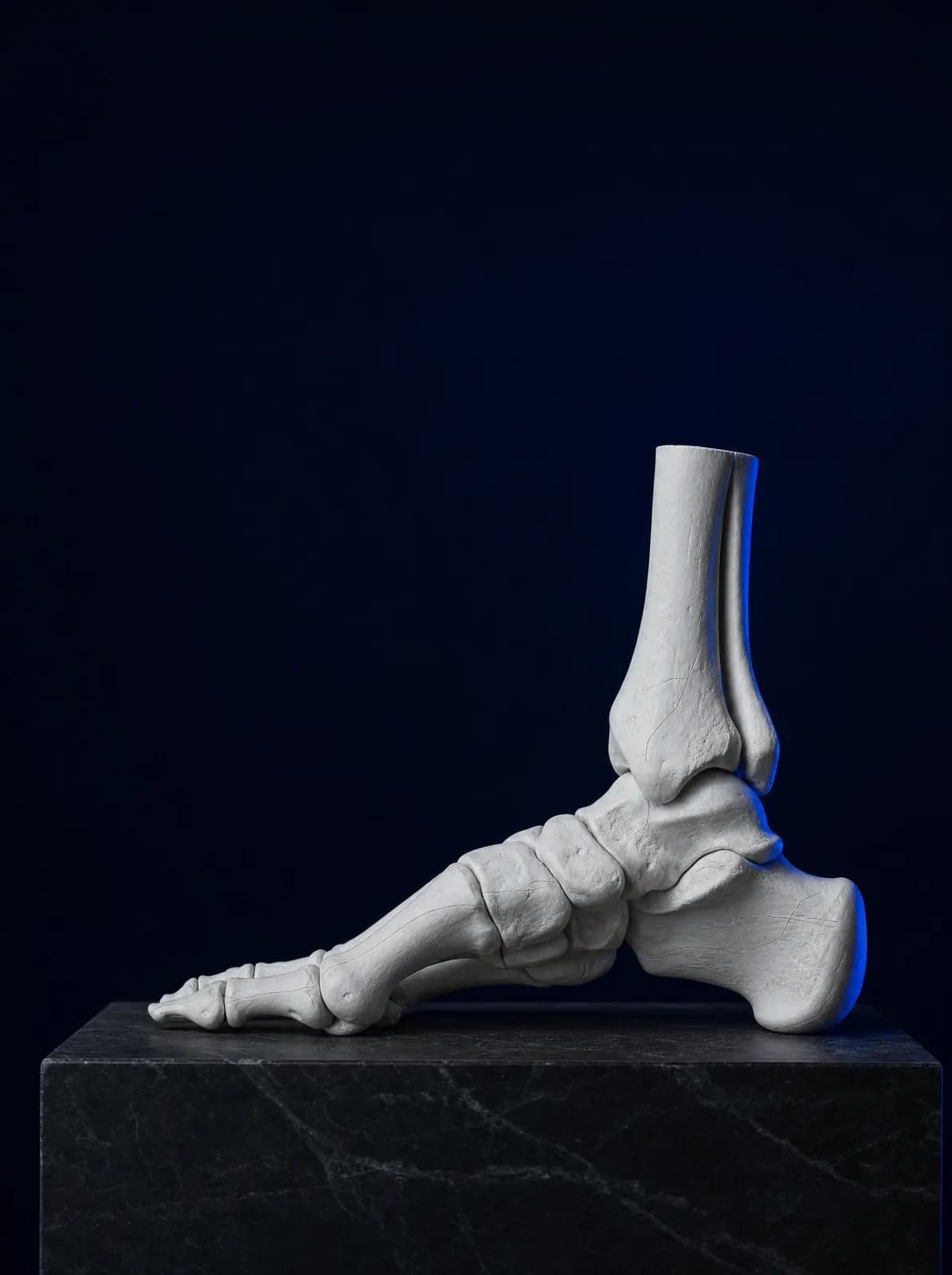
The foot is a small but densely structured region where twenty-six bones and dozens of joints, ligaments and tendons work together. It carries the whole body's weight and transfers it to the ground with every step. Even a minor strain can therefore quickly limit daily life. The ankle connects the leg to the foot and must be both stable and mobile.
The location and onset of symptoms often provide guidance. Sharp heel pain with the first steps in the morning relates to the plantar fascia; a growing prominence on the inner edge of the foot relates to angulation of the big toe joint; redness and discharge at the nail edge relate to an ingrown toenail. Increasing pain in the arch and inner ankle after a long walk suggests collapse of the arch. Inability to bear weight after a fall or sprain, rapidly increasing swelling and deformity require assessment without delay.
For many foot problems, the first approach is non-surgical: appropriate footwear, insoles supporting the arch and heel, stretching and strengthening exercises, load and activity modification and, where needed, medicines and selected procedures. Surgery is considered when pain continues to restrict daily life, deformity progresses or a structure needs repair. Decisions are based not only on X-rays but also on age, occupation, sporting habits, foot structure and accompanying conditions, particularly diabetes and circulatory problems.
The table below links common descriptions used by patients to the relevant page. If your symptoms fit more than one row, start with the most troublesome; the complete picture is assessed at examination. You can book by phone or WhatsApp for foot and ankle examination, weight-bearing X-ray planning and discussion of options at AC CLINIC in Altınordu, Ordu.
By Symptom
Topics
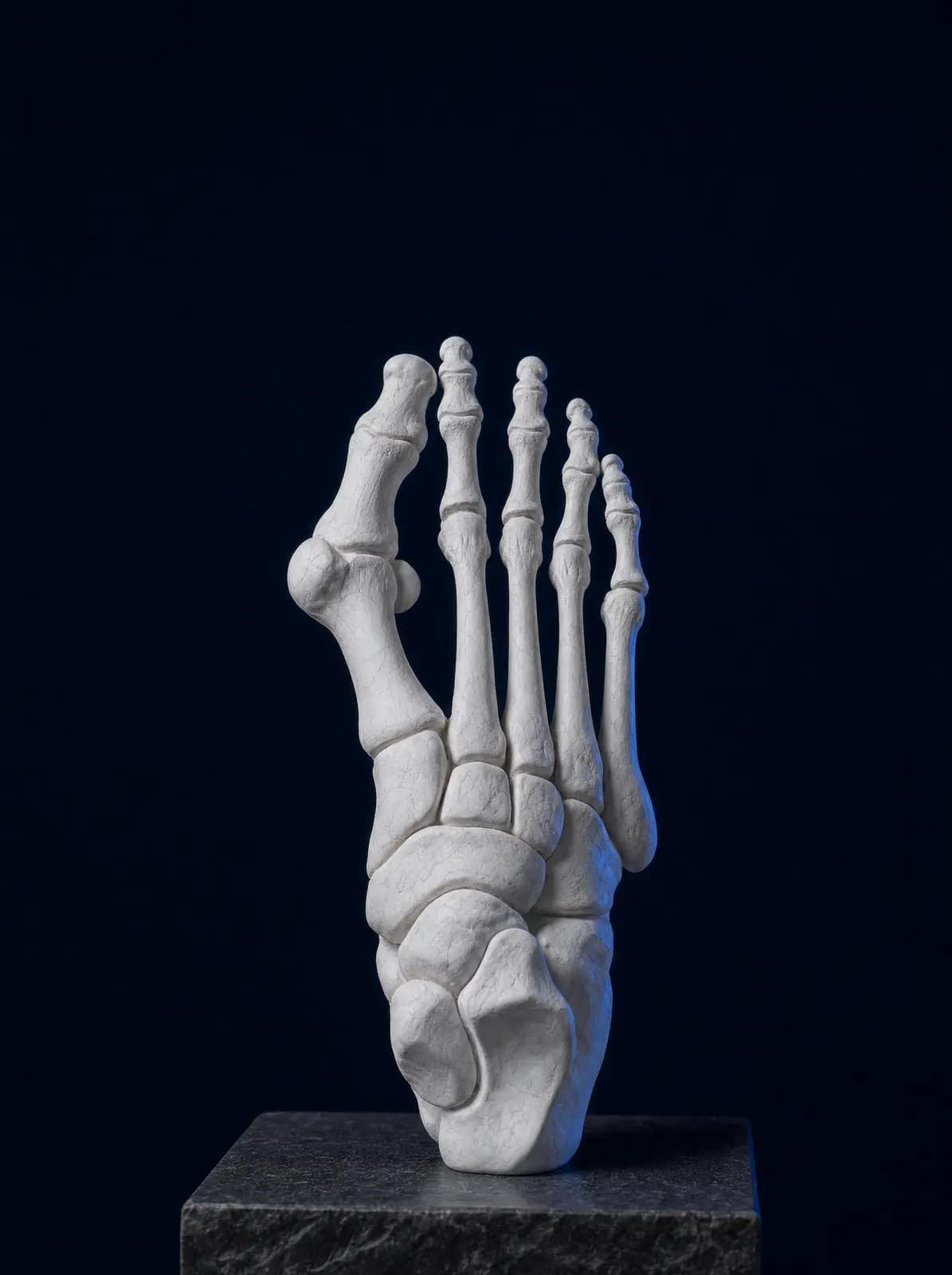
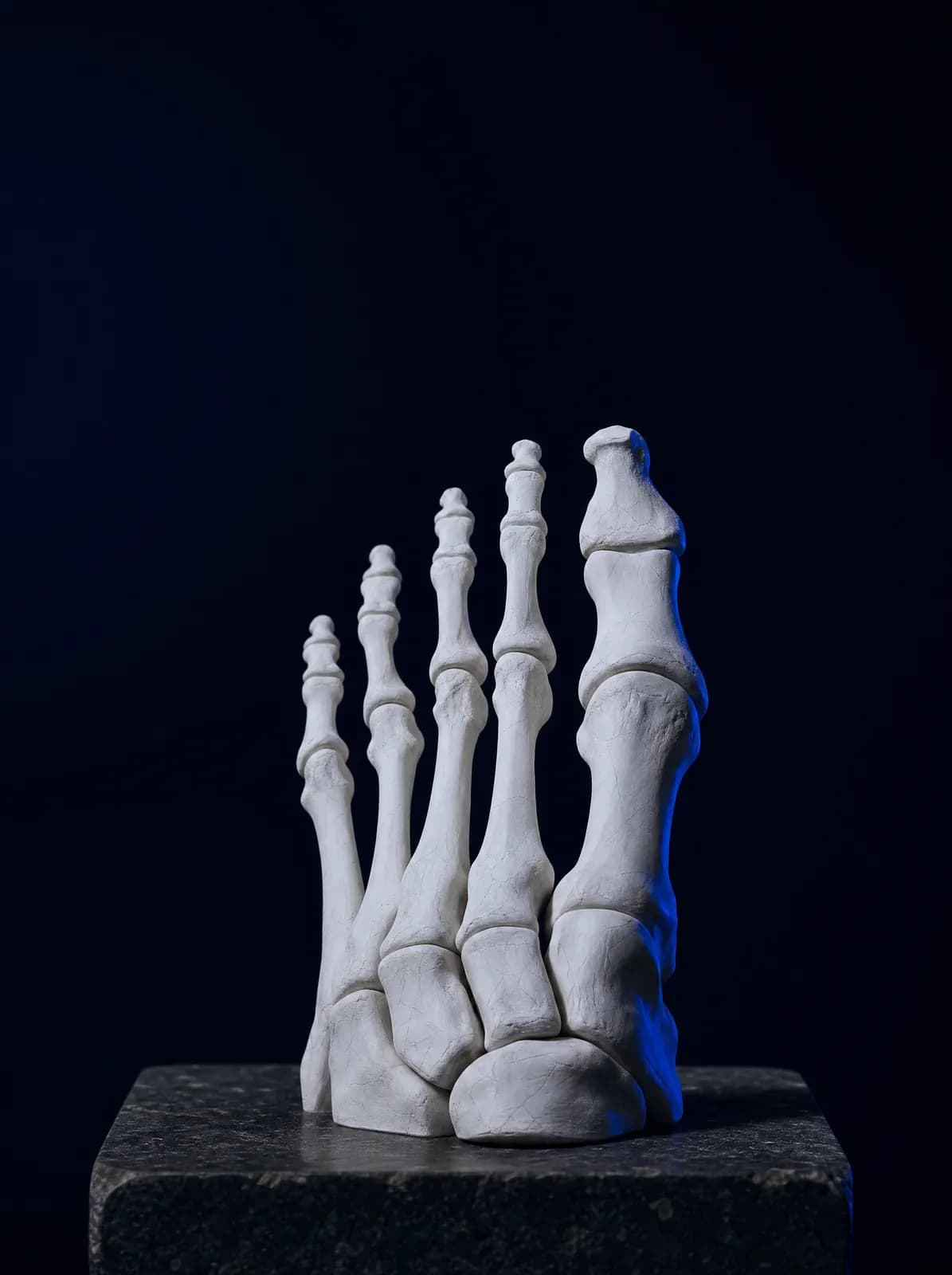
Does Gout Cause Foot Pain, and Which Department Should I Visit?
Yes. Gout is inflammation caused by crystal accumulation inside a joint as blood uric acid levels rise, and its most typical site is the big-toe joint. An attack usually begins suddenly at night or towards morning: the joint becomes red, swollen and too painful to touch, while the skin looks tight and shiny. Pain peaks within a few days, and the patient may be entirely symptom-free between attacks.
This condition can be mistaken for an orthopaedic strain, but distinguishing it is important. In hallux valgus, pain increases over years and relates to shoe pressure; a gout attack causes severe inflammation developing over hours. Blood tests (uric acid and inflammatory markers), joint fluid examination when necessary, and X-rays help distinguish the causes. Fever accompanying joint redness also raises concern for joint infection and requires prompt attention.
Gout treatment belongs to rheumatology and internal medicine, not orthopaedics: these specialties plan treatment of attacks and long-term uric-acid-lowering medication, supported by dietary changes. In the orthopaedics and traumatology clinic, the cause of foot pain is assessed, a differential diagnosis is made and, if gout is suspected, referral is arranged to the relevant specialty. This is why there is no separate gout treatment page on this site.
Foreign Bodies, Masses, Infection and Deformity in the Foot
Foreign bodies such as glass, needles or splinters in the foot; growing masses and the distinction between corns and warts; bone and soft tissue infections, including diabetes-related foot wounds; and congenital or acquired deformities each have their own assessment pathways. These subjects have dedicated pages on the site, so links are provided here; follow the one matching your symptoms.
A foot wound with rapidly spreading redness, severe swelling, fever or toe colour changes requires emergency assessment, particularly in people with diabetes.
Other Foot and Ankle Topics
The topics below are also common foot and ankle problems seen in clinic. Detailed pages are being prepared; if your symptoms fit one of these categories, they can be assessed fully at consultation.
- Hallux rigidus (osteoarthritis and stiffness of the big toe joint)
- Achilles tendinitis and Achilles tendon rupture
- Morton's neuroma (nerve compression between the toes)
- Tarsal tunnel syndrome (numbness and burning in the sole)
- Foot drop (inability to lift the foot upwards)
- Freiberg disease (impaired blood supply to a metatarsal bone)
- Ankle sprains, fractures and ligament injuries
- Ankle osteoarthritis, restricted movement and talar cartilage damage
Frequently Asked Questions
An orthopaedics and traumatology specialist assesses foot and ankle pain and plans treatment. Exercise and insoles may be coordinated with physiotherapy; rheumatology advice may be sought for suspected rheumatic disease, and dermatology for skin or nail conditions.
Foot-bone alignment changes under load. Films taken lying down show more favourable angles and underestimate deformity. Standing, weight-bearing X-rays are therefore requested for conditions such as flat feet and hallux valgus.
Emergency signs include inability to bear weight, deformity or rapidly increasing swelling after a fall or sprain; an open foot wound with rapidly spreading redness and fever; or toe colour change, coldness or numbness. The clinic is not a 7/24 emergency service; call 112 or attend the nearest hospital emergency department.
No. Insoles redistribute load and relieve certain problems; routine use in a symptom-free foot is not recommended. Examination determines whether an off-the-shelf or custom insole is needed, considering foot structure, symptom location and occupation.
Diabetes may reduce sensation in the feet, allowing punctures, friction and wounds to progress unnoticed. Check your feet daily, cut nails straight across, avoid tight shoes and do not treat corns or wounds yourself. Even a small-looking wound or ingrown toenail should be assessed early.
You can book by telephone or WhatsApp at AC CLINIC in Altınordu. Bring previous X-ray, MRI or CT images and the shoes you wear most often to help assessment.
Appointments and Contact
Call or contact us on WhatsApp to arrange an appointment. Briefly describe your symptoms; we try to schedule your examination and any necessary imaging on the same day.
- Opening hours
- 08:30–18:00Monday – Saturday
The clinic is not a 24/7 emergency department. For a fracture, dislocation, open wound, or inability to bear weight with fever, call 112 or attend the nearest hospital emergency department.