Hip Pain and Hip Conditions: Treatment
Hip pain is often felt in the groin and reduces walking distance. This page helps distinguish major hip conditions according to symptoms and directs you to the relevant information.
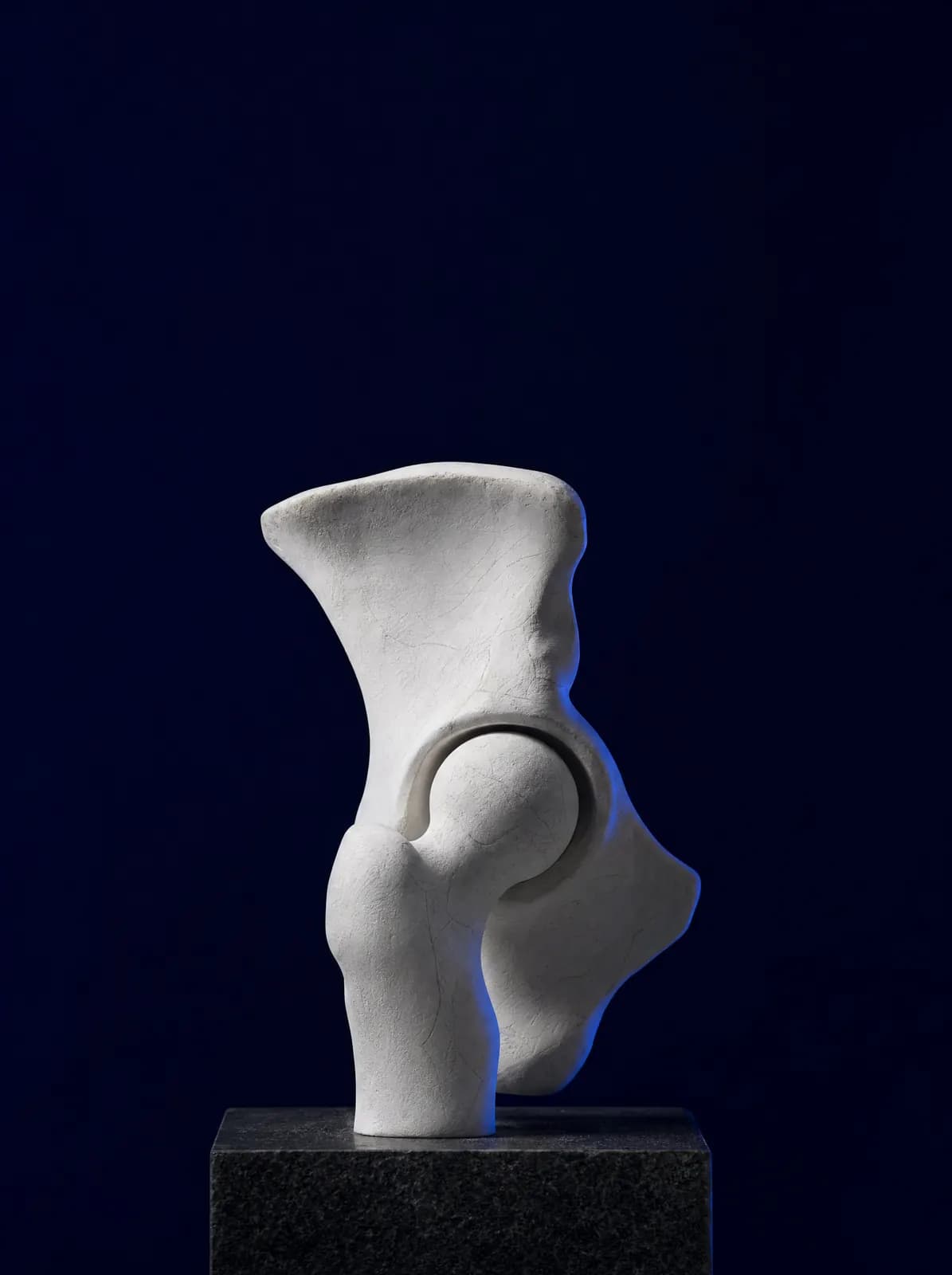
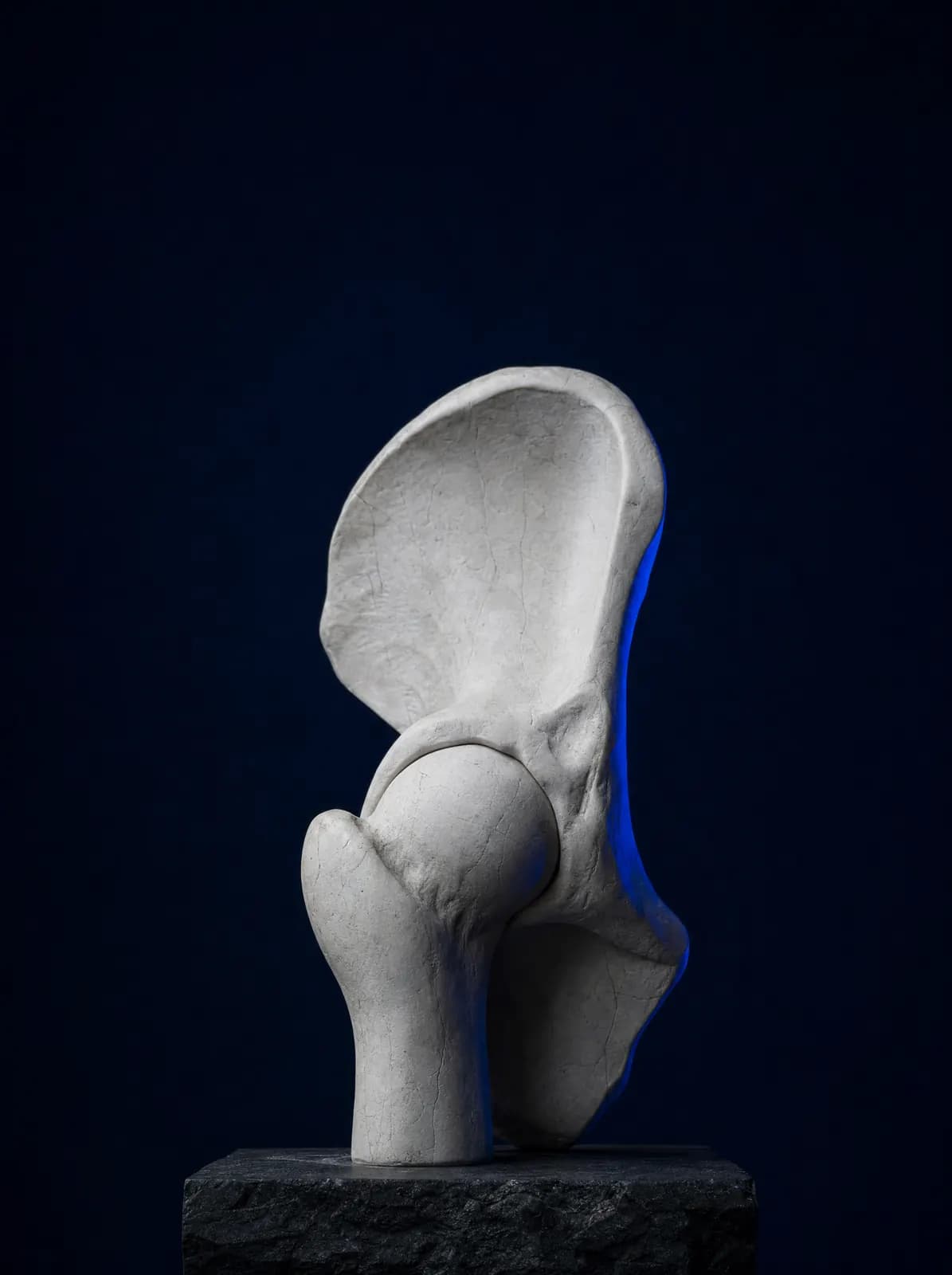
The hip, formed by the rounded femoral head and the socket in the pelvis (acetabulum), is one of the body's most heavily loaded joints. During walking it bears several times body weight, so even a small problem can reduce walking distance and quickly affect daily life.
The location of pain often surprises patients: pain arising in the hip joint is usually felt in the groin, rather than behind the hip, and can spread to the front or inner thigh and sometimes the knee. Pain on the outer side of the hip often arises from tendons or bursae, while pain travelling down the leg from behind the hip usually comes from the lower back. Describing the location accurately is the first step towards the right diagnosis.
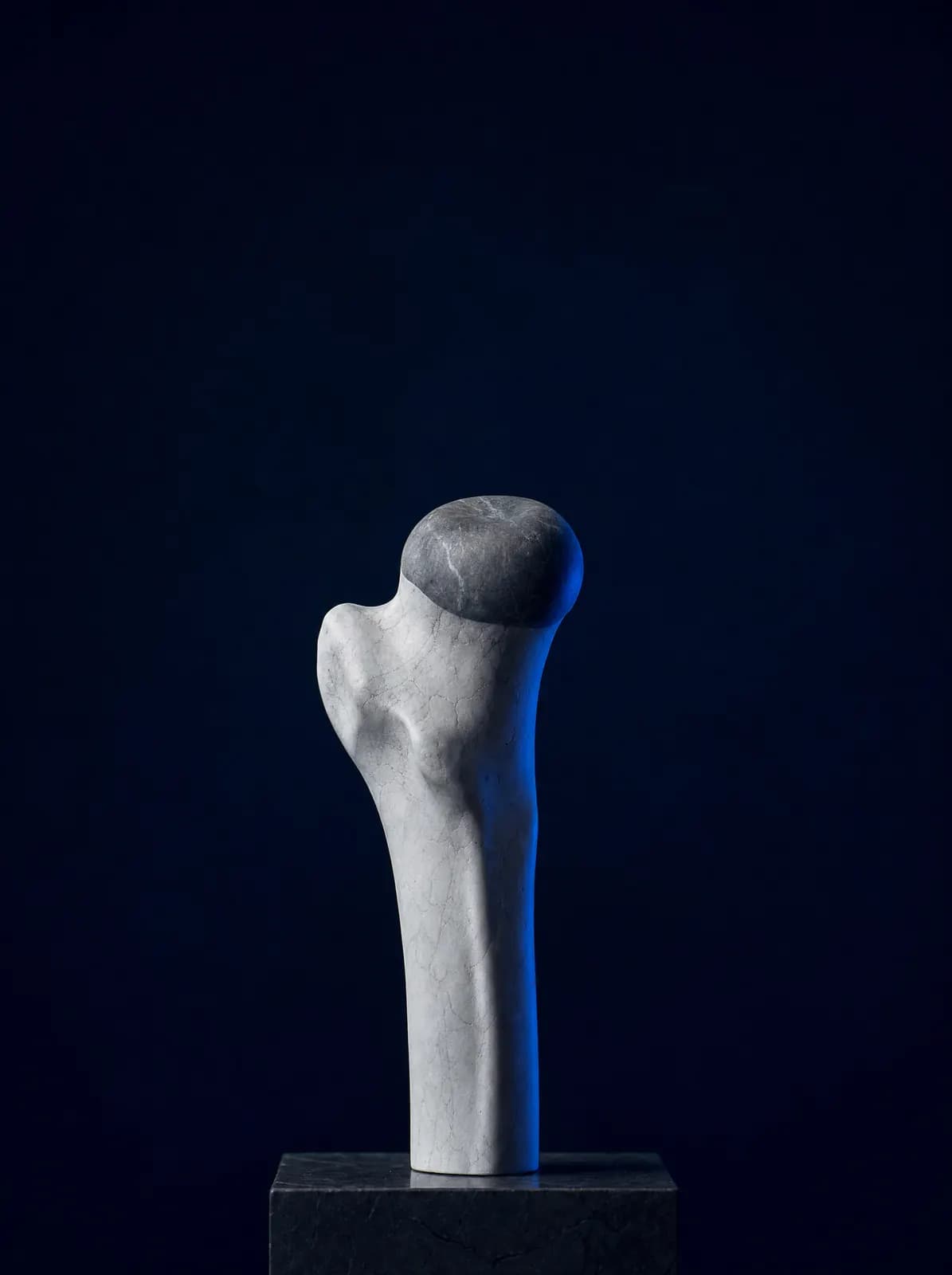
The commonest causes of hip pain vary with age. Hip osteoarthritis (coxarthrosis) predominates in middle and older age; avascular necrosis of the femoral head may occur in younger and middle-aged adults in association with cortisone use, alcohol or previous trauma. A congenitally shallow socket (dysplasia) and childhood hip dislocation predispose to early osteoarthritis in adulthood. In older adults, a hip fracture after a simple fall is a separate problem requiring prompt assessment.
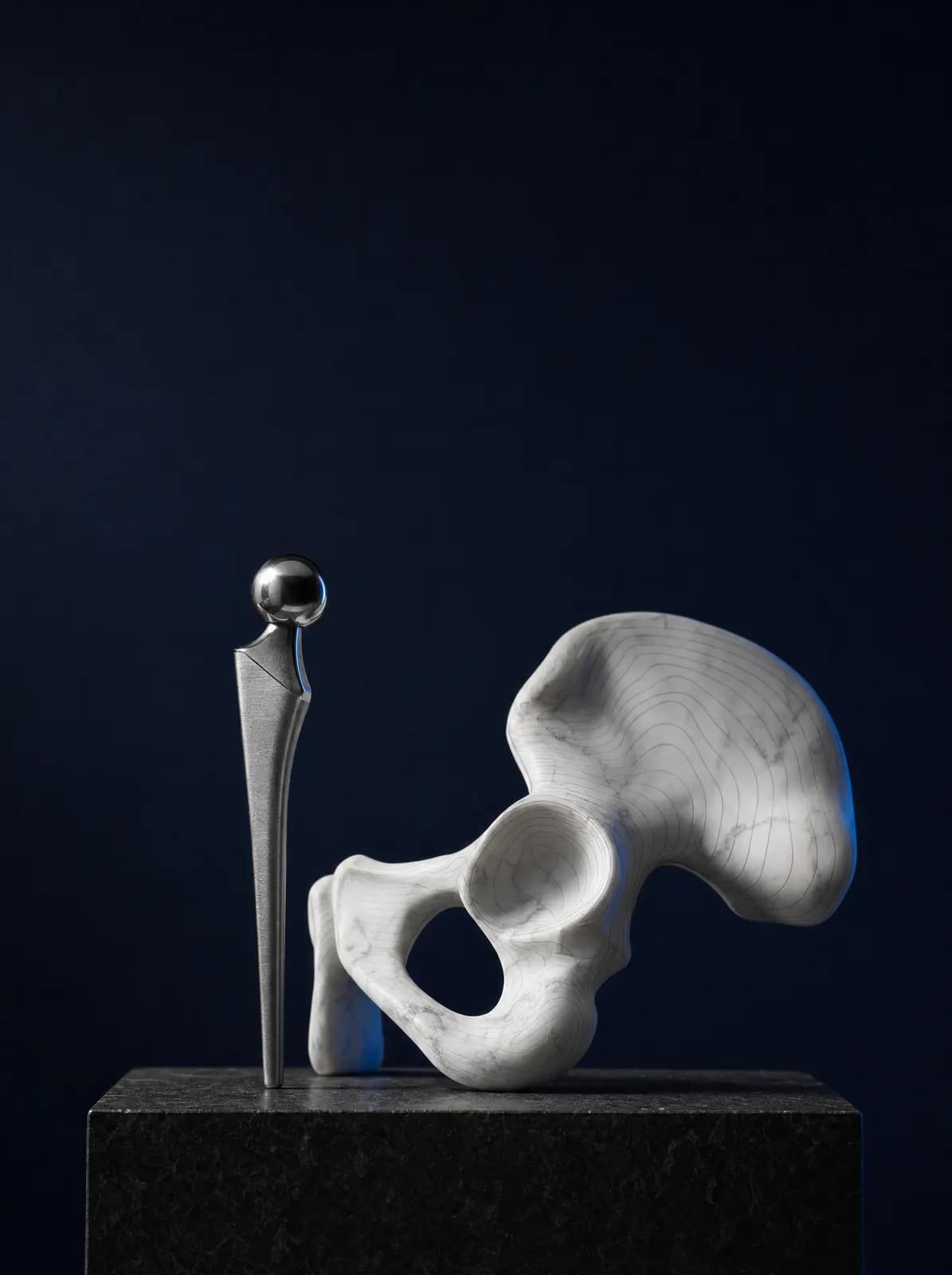
Assessment begins with examination and a standing pelvic X-ray; MRI is added when needed. Treatment differs between patients: some cases are managed with weight control, strengthening, medication and injections when appropriate, while advanced cases may require discussion of hip replacement. When replacement is needed, how it is performed and precautions afterwards are explained in hip replacement surgery and recovery.
Choose the row closest to your symptoms in the table below to open the relevant page. For patients from Ordu and surrounding areas, examination, imaging review and treatment planning are discussed together at AC CLINIC in Altınordu.
By Symptom
Topics
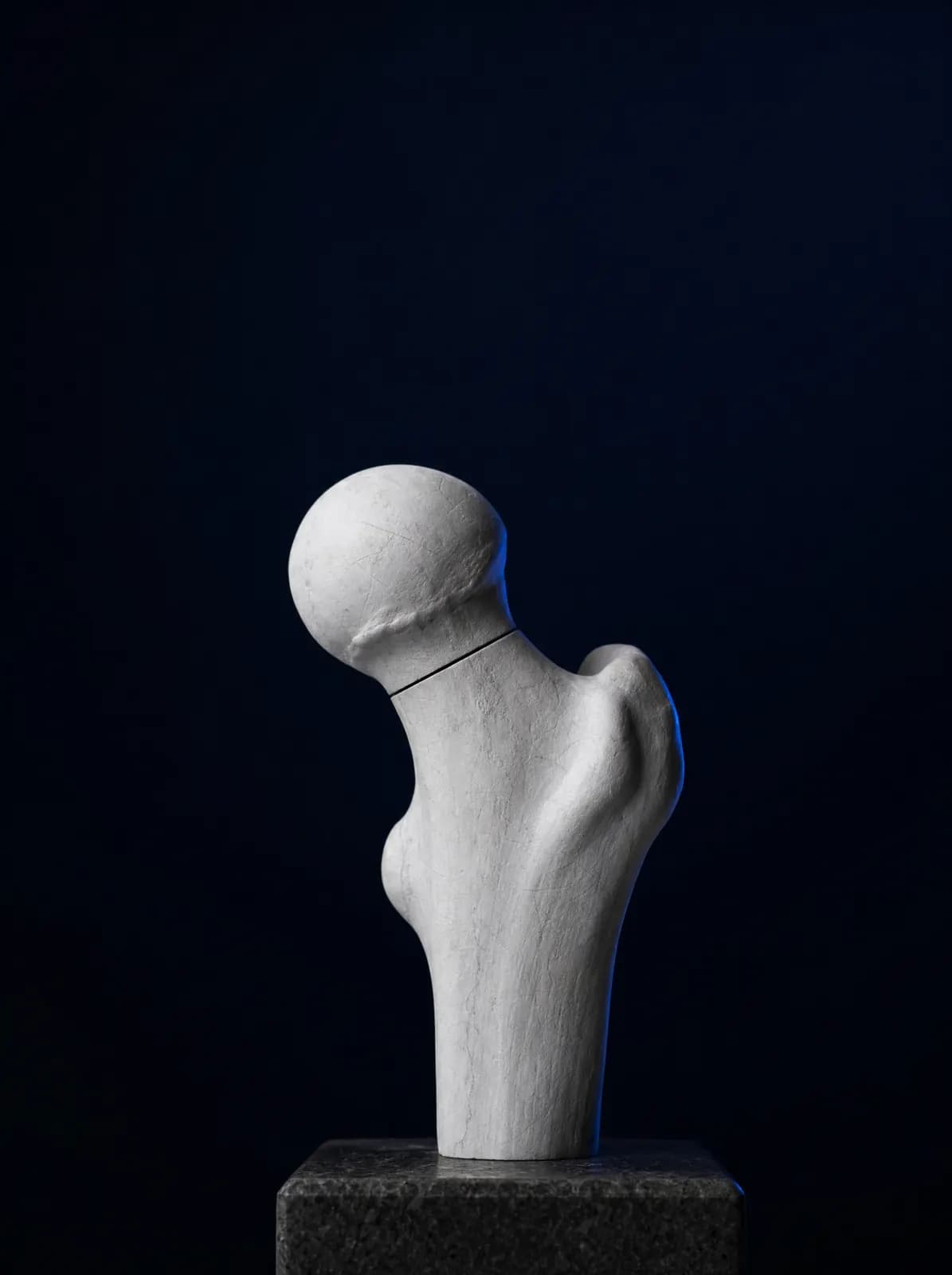

What Should I Do if Someone Cannot Stand After a Fall?
Hip fracture is suspected, particularly in older people, if a patient cannot stand or lift the leg after a simple fall, or the leg appears shortened or externally rotated. Do not try to make the person stand or walk or straighten the leg; keep it still where it is and call 112 or reach the nearest hospital emergency department.
Similarly, coldness, colour changes or loss of sensation in the leg, deformity with an open wound, or rapidly increasing hip pain with fever require emergency assessment without delay. The practice is not a 7/24 emergency department; call 112 or attend the nearest hospital emergency department in an emergency. Once emergency care is complete, you can book at the practice for follow-up and treatment planning.
Hip Conditions in Children: DDH, Perthes Disease and Slipped Epiphysis
Childhood hip disorders differ from adult diagnoses and have their own pages. The three main conditions are poor development of the hip socket in babies (developmental dysplasia of the hip), temporary impairment of femoral-head blood supply in school-age children (Perthes disease), and slipping through the growth plate in adolescence (slipped capital femoral epiphysis).
A child who limps, reports hip or knee pain or avoids using a leg should be assessed promptly; some of these conditions are much easier to manage when diagnosed early.
Loose Body in the Hip
A loose body is a fragment of cartilage or bone moving freely inside a joint; it is less common in the hip than in the knee. It may cause sudden catching, locking and sharp pain during movement. Diagnosis uses X-rays and, when necessary, CT or MRI; symptomatic fragments can be removed arthroscopically. A detailed page is being prepared; if you describe catching or locking in your hip, this will be assessed at examination.
Foreign Bodies, Masses, Infection and Deformity in the Hip
Foreign bodies in hip-area soft tissues, bone or soft tissue lumps, bone and joint infections, and angular deformities of the hip or thighbone are separate subjects covered on their own pages. Persistent hip pain worse at night, swelling with fever or a rapidly enlarging lump should be assessed promptly.
Other Topics in This Area
The following subjects also concern the hip and are assessed during consultation. Detailed pages are being prepared; if your symptoms match one of them, you can book an assessment by telephone or WhatsApp.
- Femoroacetabular impingement (FAI) and hip arthroscopy
- Snapping hip — a sound coming from the hip
- Tendon and bursal problems causing outer hip pain
Frequently Asked Questions
An orthopaedics and traumatology specialist assesses hip-joint pain. Examination and a standing pelvic X-ray distinguish pain from the joint, surrounding soft tissues or lower back.
The hip joint is a common source of groin pain; osteoarthritis and femoral head necrosis typically cause pain there. Hernias, gynaecological conditions and urinary tract problems can also cause groin pain. Examination distinguishes them and guides referral when needed.
Hip-joint pain is usually felt in the groin and increases when rotating the leg. Pain from the lower back generally travels from the buttock down the leg and may involve numbness or tingling. Examination and imaging distinguish the causes.
The first test is a standing pelvic X-ray. MRI is requested for persistent pain despite normal X-rays, suspected femoral-head necrosis or a cartilage or labral problem. Not every patient needs MRI.
Early and moderate stages can be managed with weight control, strengthening exercises, medicines and injections when needed. These methods have limited effect in advanced disease; options are assessed individually during consultation.
You can book by telephone or WhatsApp at AC CLINIC in Altınordu. Bring any previous pelvic X-rays, MRI images and operation reports to help assessment.
Appointments and Contact
Call or contact us on WhatsApp to arrange an appointment. Briefly describe your symptoms; we try to schedule your examination and any necessary imaging on the same day.
- Opening hours
- 08:30–18:00Monday – Saturday
The clinic is not a 24/7 emergency department. For a fracture, dislocation, open wound, or inability to bear weight with fever, call 112 or attend the nearest hospital emergency department.