Hand Surgery — Hand and Wrist Conditions, Cuts and Microsurgery
The hand is among the most-used and most intricately structured parts of the body. This page brings together common hand and wrist complaints, indicates which pages explain them and outlines when to seek care without delay.
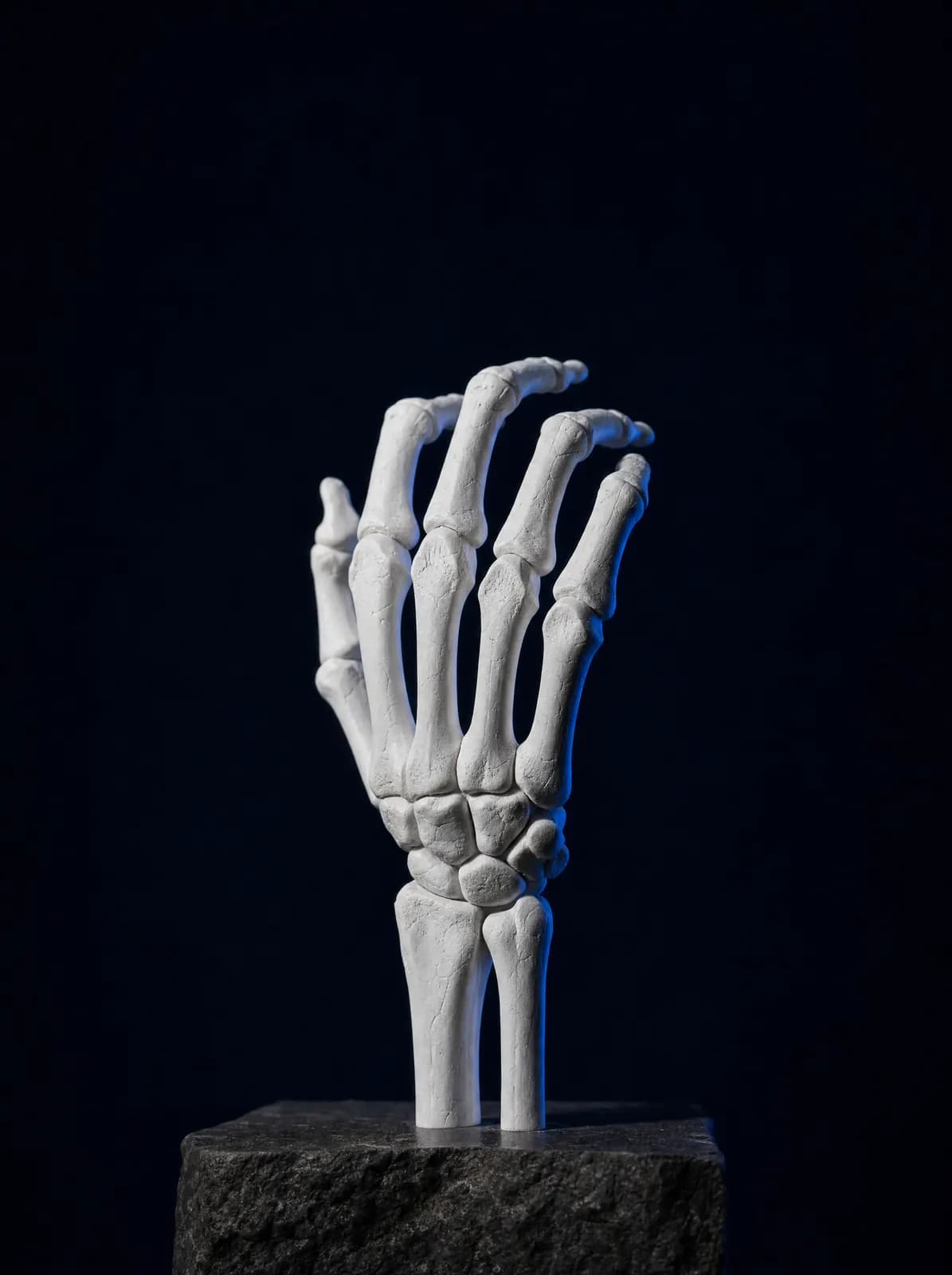
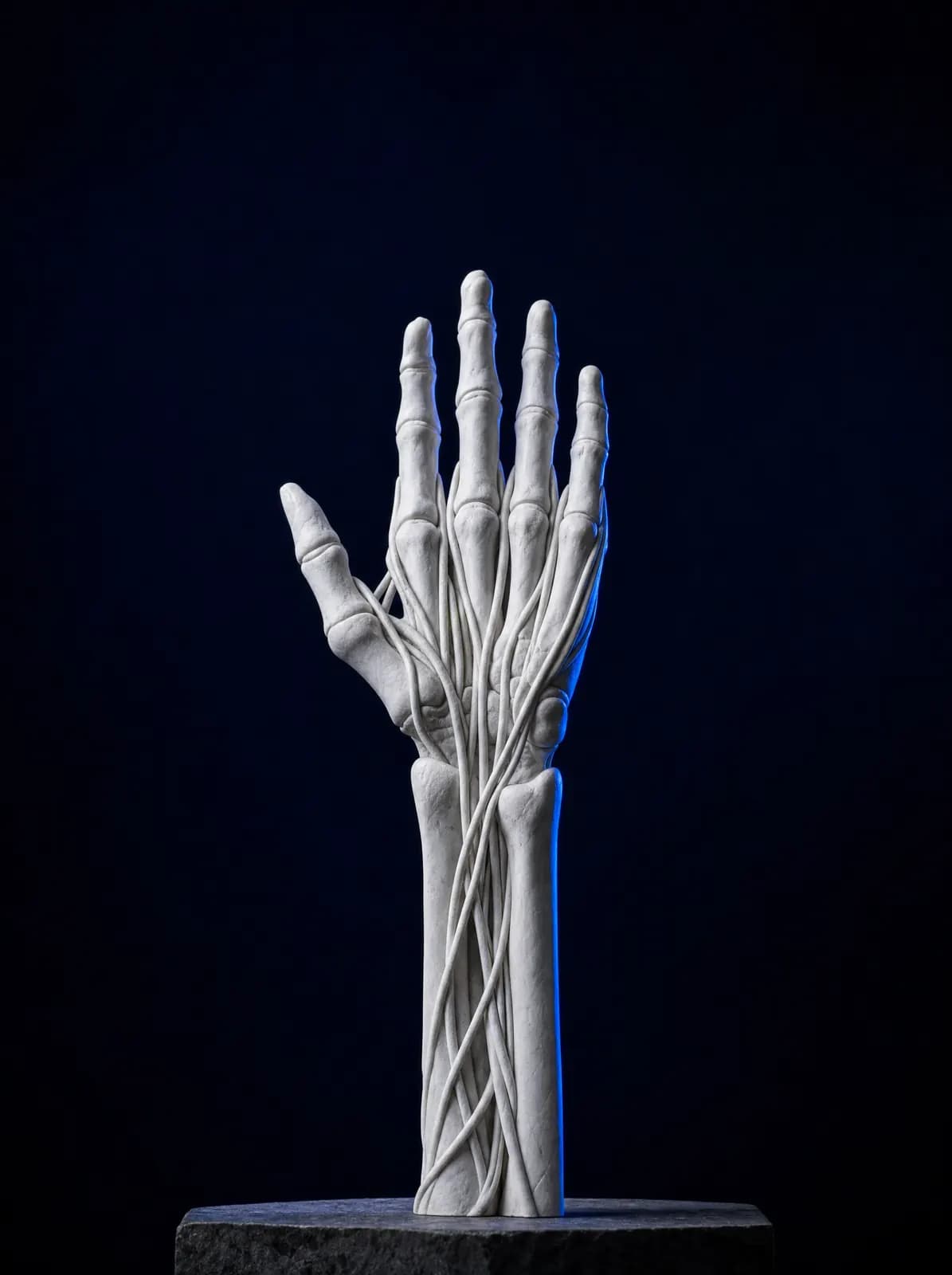
Hand surgery is an orthopaedic subspecialty concerned with the bones, tendons, nerves, blood vessels and sheath structures of the hand, wrist and fingers. Many structures lie close together within a few millimetres. A small-looking cut may therefore involve a tendon, a fall a wrist bone, and months of numbness a nerve. Appropriate treatment starts by identifying the affected structure during examination.
Patients generally describe hand symptoms in three groups. The first is nerve compression: numbness that wakes them at night, tingling fingers and dropping objects. The second is tendon and tendon sheath problems: catching of a finger or wrist pain with particular movements. The third is injuries: cuts, crushing, fractures and dislocations. In Ordu, this third group increases seasonally; hazelnut harvesting, threshing machinery, woodworking and small industrial workshops are recognised causes of hand injuries.
This section lists common hand diagnoses and the pages explaining them in detail. Choose the row closest to your symptoms in the symptom guide below to go directly to the relevant page.
Time matters in hand injuries. A deep cut, inability to bend a finger, loss of sensation, a cold or pale finger, crushing or amputation requires immediate attendance at the nearest emergency department. The clinic is not a 7/24 emergency department; in an emergency, call 112 or attend the nearest hospital emergency department. For non-urgent symptoms, you can book an examination by telephone or WhatsApp at AC CLINIC in Altınordu, Ordu.
By Symptom
Topics
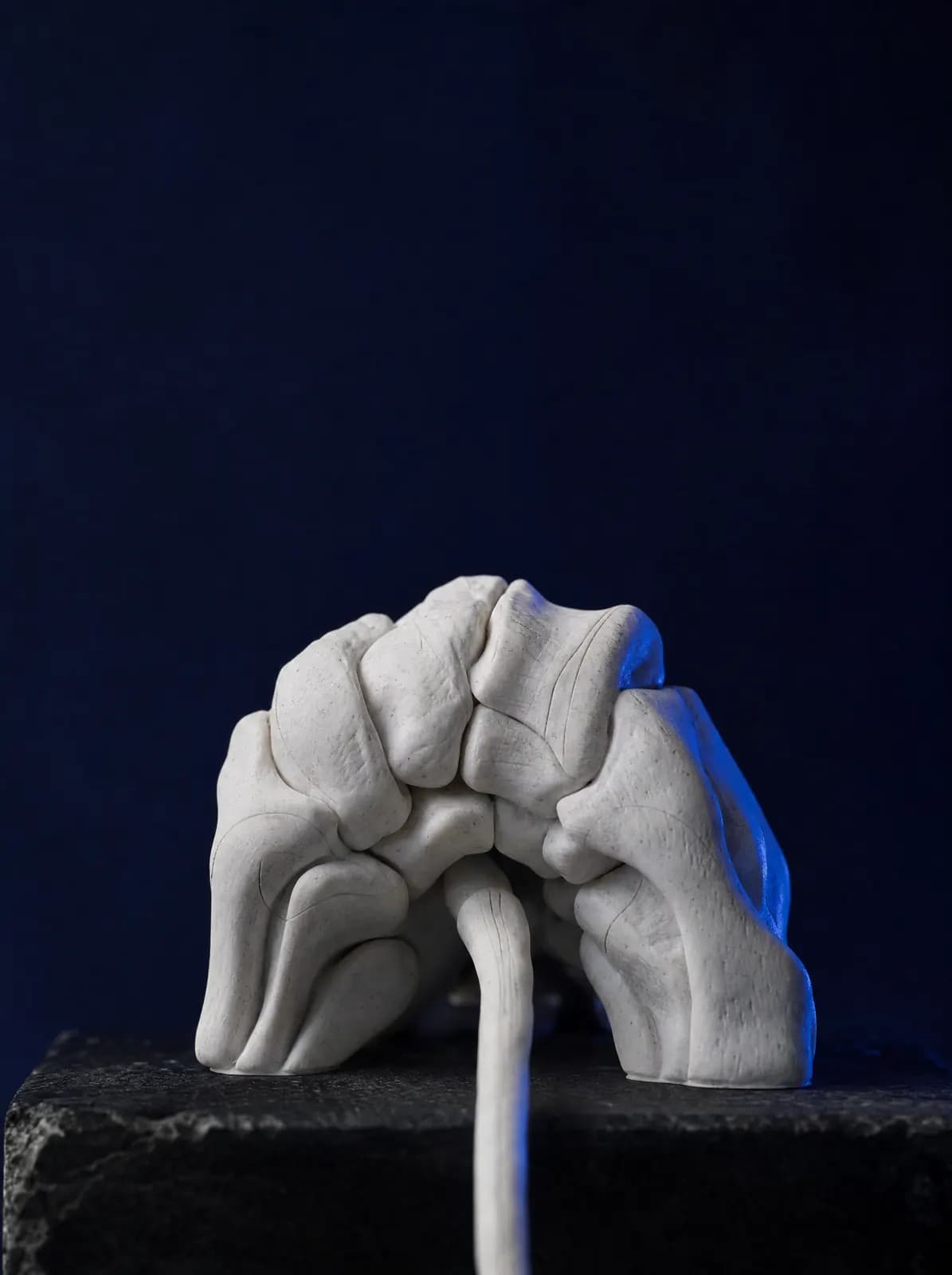
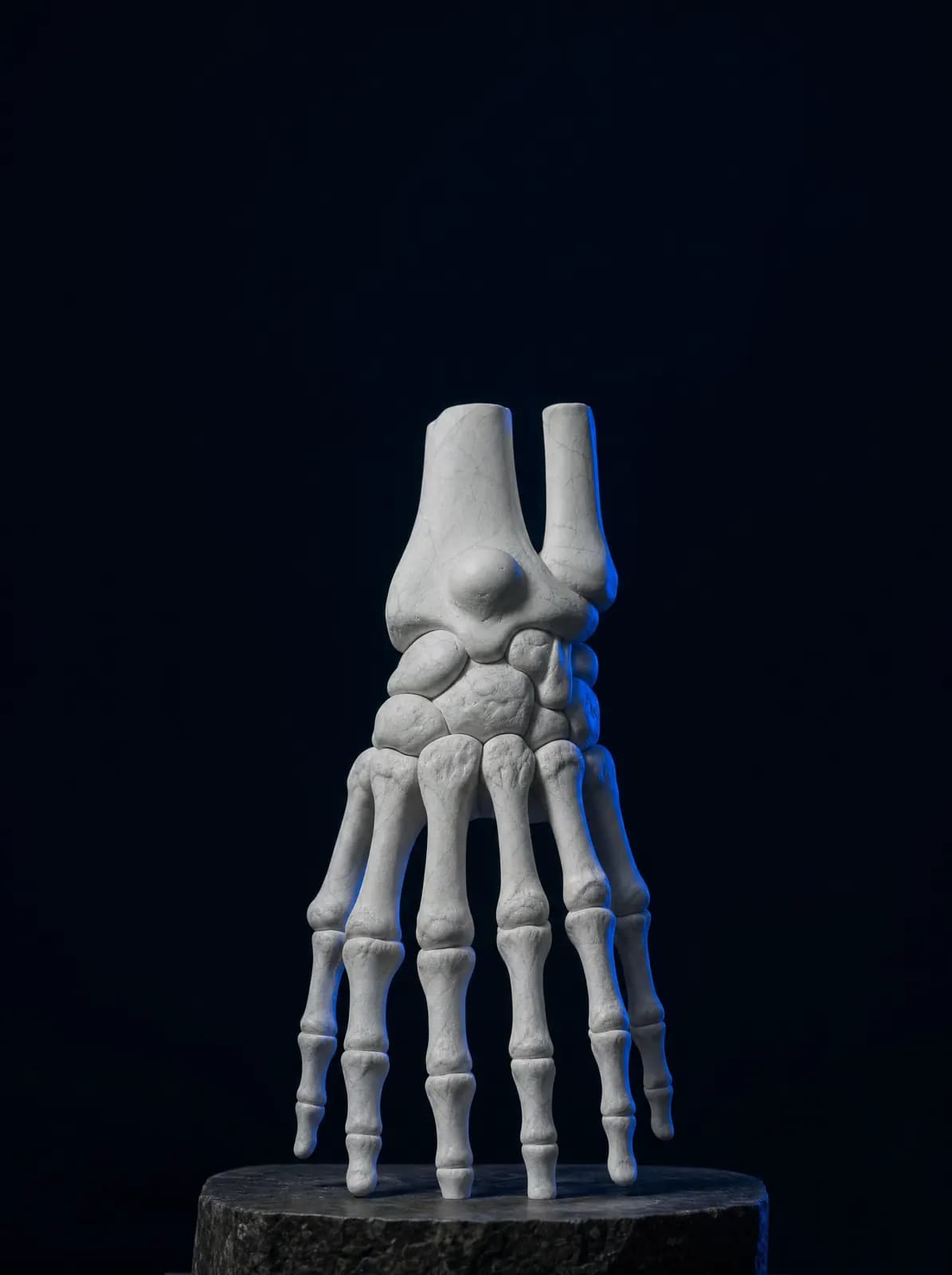
Hand Injuries from Work, Industry, Hazelnut Farming and Livestock Handling
In Ordu and the surrounding area, many hand injuries are work- or agriculture-related. Common mechanisms include threshers, rotary cultivators and belt-and-pulley systems during hazelnut harvesting and threshing; presses, circular saws, milling machines and punch presses in small industry; and bites, kicks and rope entrapment in livestock work. Accidents at home involving knives or glass, sports injuries and road traffic accidents can affect the same structures.
In these injuries, the visible wound does not show the full extent of damage. Machinery injuries often have a crush component: even if the skin appears intact, the underlying tendons, nerves, vessels and bones may be damaged. Every hand caught in machinery must therefore be assessed in hospital, even when the wound looks small. Treatment according to the type of cut is described on the hand lacerations: tendon, nerve and vessel injuries page; general management of bone fractures is explained on the fracture treatment page.
Bleeding, loss of sensation, inability to move a finger, a cold finger or amputation requires immediate attendance at the nearest emergency department. Bring the severed part wrapped in a clean, damp cloth inside a sealed bag, without direct contact with ice.
Foreign Bodies, Masses, Infection and Deformity in the Hand
Foreign bodies such as glass, metal or wood in the hand, growing masses, bone and soft tissue infections, and congenital or post-traumatic deformities are not exclusive to this region; each is covered comprehensively on its own main page. Follow the links below to the relevant subject.
Other Hand and Wrist Topics
Detailed pages on the following topics are being prepared. Related symptoms are assessed at consultation:
- Cubital tunnel syndrome (nerve compression at the elbow, little finger numbness)
- Dupuytren’s contracture (thickening in the palm and bending of the fingers)
- De Quervain tenosynovitis (pain at the thumb base and wrist)
- Mallet finger (drooping of the fingertip)
- Wrist and hand fractures (distal radius, scaphoid) and non-union
- Replantation, microsurgery and severed or crushed limbs
- Hand and wrist osteoarthritis (thumb CMC joint, wrist and fingers) and Kienböck disease
- Congenital hand differences: fused fingers (syndactyly) and extra fingers (polydactyly)
Frequently Asked Questions
Hand surgery covers nerve compression in the hand, wrist and fingers (carpal and cubital tunnel), tendon and sheath problems (trigger finger, De Quervain's), cysts and lumps, cuts and crush injuries, fractures and dislocations, osteoarthritis and congenital hand differences. Assessment is performed by an orthopaedics and traumatology specialist.
An orthopaedics and traumatology specialist assesses hand and wrist symptoms. Neurology may assist with EMG for suspected nerve compression, and physiotherapy teams with postoperative hand rehabilitation.
Deep cuts with inability to move a finger or loss of sensation should be assessed in hospital the same day. Early repair is preferable for tendons and nerves; delay can make repair harder. Bring any severed part wrapped in a clean cloth.
Procedures for carpal tunnel syndrome, trigger finger and ganglion cysts can often be performed under regional anaesthesia while the patient is awake. For extensive cuts, fractures and injuries needing microsurgery, the anaesthetist helps choose anaesthesia according to the injury's extent.
Timing depends on the procedure and occupation. Desk work may be possible within a few days to a few weeks, whereas jobs requiring hand strength or machinery take longer. The precise schedule becomes clearer as healing is assessed at follow-up.
You can book by telephone or WhatsApp for examination at AC CLINIC in Altınordu, Ordu. Bringing previous X-rays, EMG or ultrasound reports helps the assessment. For an acute injury, attend the nearest emergency department without waiting for an appointment.
Appointments and Contact
Call or contact us on WhatsApp to arrange an appointment. Briefly describe your symptoms; we try to schedule your examination and any necessary imaging on the same day.
- Opening hours
- 08:30–18:00Monday – Saturday
The clinic is not a 24/7 emergency department. For a fracture, dislocation, open wound, or inability to bear weight with fever, call 112 or attend the nearest hospital emergency department.