Hand Cuts: Tendon, Nerve and Blood Vessel Lacerations
Deep hand and wrist cuts may injure tendons, nerves and blood vessels lying only millimetres apart. This page explains what to do after a cut, how repair is planned and how recovery progresses.
Also known as: Hand and wrist laceration, Tendon laceration, Nerve laceration, Blood vessel laceration
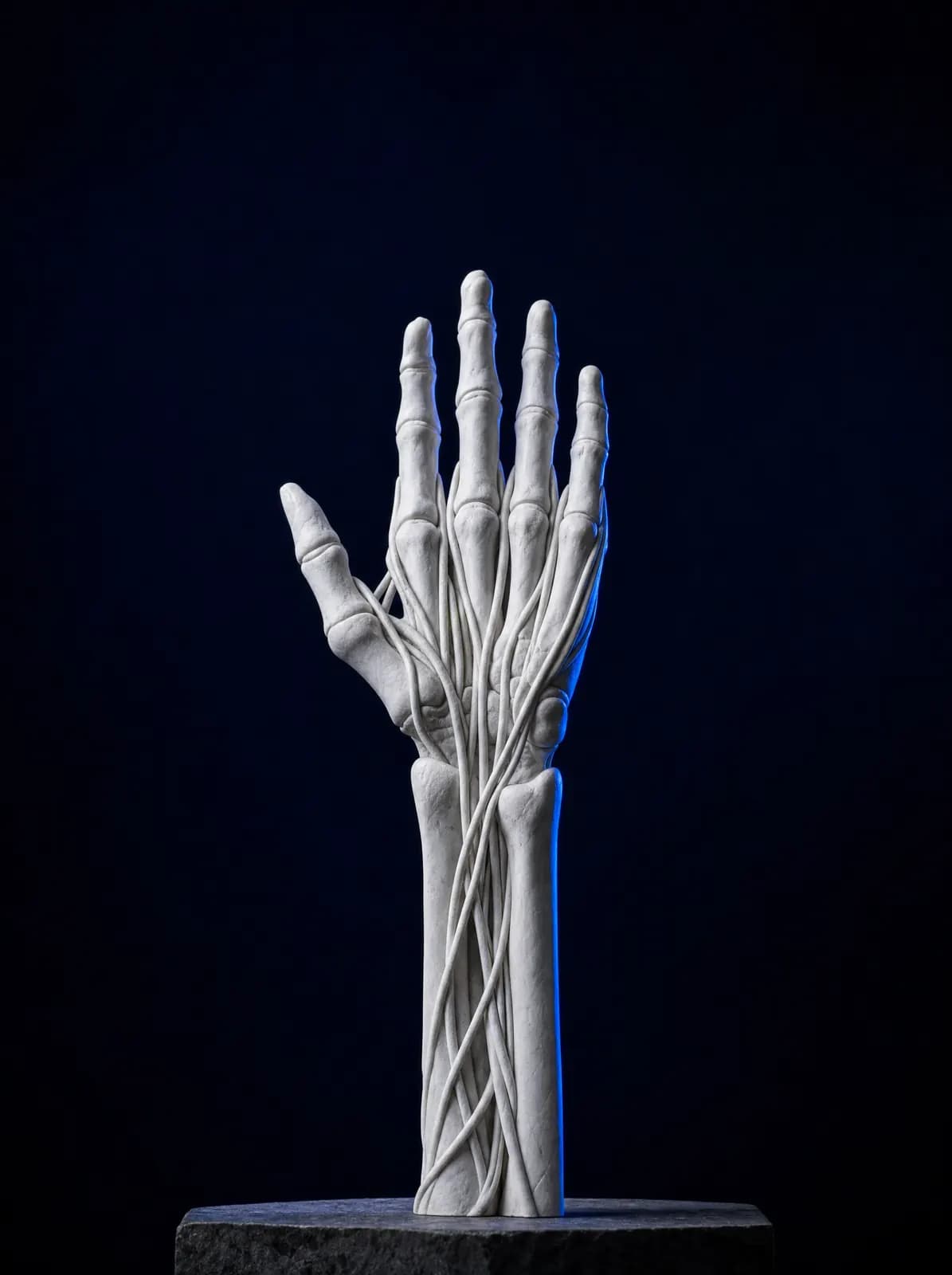
Your Treatment Pathway
Emergency Assessment
Control bleeding, cover with a clean dressing and attend the nearest emergency department; transport amputated tissue correctly.
Detailed Examination
Each finger's movement, fingertip sensation and circulation are assessed separately.
Repair
Tendons, nerves and blood vessels are repaired using appropriate techniques, under a microscope when needed.
Protection and Controlled Movement
Protection with a splint and an early exercise programme prescribed by the doctor.
Rehabilitation and Follow-Up
Goal: gradually restoring grip strength and everyday hand use.
I Have Cut My Hand; What Should I Do Immediately?
There is no time to lose after a deep cut to the hand. To reduce bleeding, press a clean cloth over the wound and keep the hand above heart level. Do not apply a tourniquet if pressure controls the bleeding; do not put substances such as powder, ash, cologne or toothpaste into the wound. If bleeding continues to spurt despite pressure, call 112 and follow the operator's instructions. Do not try to remove glass, metal or wood from the wound; these are removed under operating theatre conditions.
Go directly to hospital for any of the following: bleeding that will not stop, inability to bend or straighten a finger, loss of sensation or numbness, a cold and pale finger, a deep and wide cut, a machinery injury or amputation. The clinic is not a 7/24 emergency department; call 112 or attend the nearest hospital emergency department in these situations.
If a finger or piece of tissue has been amputated, wrap it without washing in a clean, slightly damp cloth, place it in a sealed bag, and put the bag in a container of iced water for transport to hospital. The part must not touch ice or water directly. Also try to recall your last tetanus vaccination date; you will be asked in the emergency department.
Which Structures Can Be Damaged by a Hand Cut?
The skin of the hand is very thin, with closely packed structures immediately beneath it: tendons that bend and straighten the fingers, nerves providing sensation and muscle control, arteries and veins maintaining circulation, and bones and joints. Even a one-centimetre cut can therefore sever several structures at once.
The depth of a cut cannot be judged from its appearance. Patients often say, "The wound was small and stitched, but I cannot bend my finger"; this commonly indicates a missed tendon injury. Every deep hand cut therefore requires individual testing of finger movement, fingertip sensation and circulation.
Sharp-tool cuts have clean edges and are generally easier to repair. Machine, saw and press injuries include a crush component; tissue loss and contamination may occur and treatment may require several stages. Injuries involving hazelnut machines, threshers, circular saws and woodworking in Ordu belong to this second group.
Tendon Laceration
Finger flexor tendons run on the palm side, while extensor tendons run on the back of the hand. If a flexor tendon is cut, the finger cannot bend and muscle pull draws the tendon ends apart. If an extensor tendon is cut, the finger droops and cannot be raised.
Diagnosis is clinical: each finger's tip and middle joints are tested separately because even one divided tendon can prevent movement at a particular joint. Partial cuts may preserve movement but cause pain and weakness; these also require assessment in theatre.
Treatment is tendon repair: the severed ends are joined end to end using specialised suture techniques. Early repair is generally preferable; in delayed cases, the tendon may shorten and retract, making repair harder and sometimes requiring tendon transfer. Protecting the hand in a splint for a period after surgery and following an early, controlled movement programme are integral to recovery; an immobilised hand develops adhesions and stiffness.
Nerve Laceration
The fine nerves running along both sides of each finger (digital nerves) supply sensation to the fingertip. Cutting one causes numbness on that side alone; patients describe the edge of the finger as feeling unfamiliar. Injuries to larger nerves at wrist level cause both sensory loss over a wider area and weakness in the small hand muscles.
A cut nerve may be painless, so fingertip sensation must be checked after a laceration. Unnoticed numbness can allow the injury to be missed and treatment delayed.
Repair involves bringing the nerve ends together under a microscope with very fine stitches. Recovery is not immediate after nerve repair: nerve fibres regrow at about one millimetre a day, so sensation may take months to return to the fingertip. If tissue loss prevents the ends being joined, additional methods such as a nerve graft may be considered. Sensory rehabilitation is provided during recovery. The possibility of only partial recovery of sensation and persisting cold sensitivity is discussed from the outset.
Blood Vessel Laceration and Circulation Problems
The hand is supplied by two main arteries with interconnected branches to the fingers, so cutting one vessel does not always stop circulation. However, a finger becoming cold, pale or blue, with loss of capillary refill, indicates impaired circulation and requires emergency treatment.
In vascular injuries, controlling bleeding and restoring circulation take priority. The cut vessel is sutured end to end using microsurgical techniques; if a segment is missing, a vessel graft from another area may bridge the gap. Because a finger with impaired circulation will lose tissue over time, this is one of the most urgent hand emergencies.
In crush injuries, a long segment of the vessel wall may be damaged; repair is more complex and treatment is planned in stages. Reattachment of amputated parts (replantation) and management of crush injuries are separate subjects. See the hand surgery section for assessment information, and attend hospital directly in an emergency.
Foot Lacerations
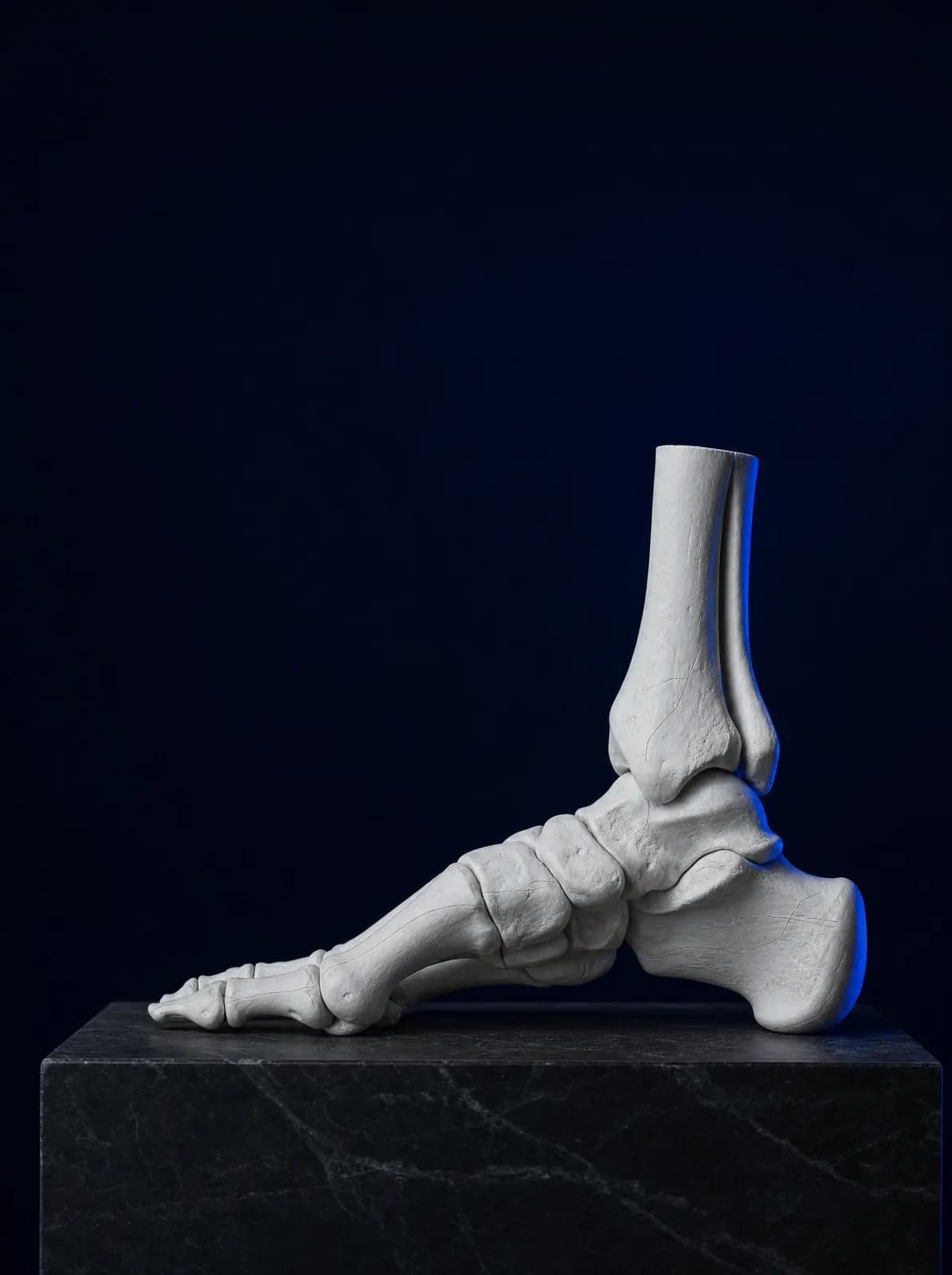
The same principles apply to deep cuts in the foot and toes: the tendons controlling movement, nerves supplying sensation and vessels maintaining circulation lie very close to the skin. Glass cuts, sickle and axe injuries, lawnmowers and agricultural machinery are common causes.
Two additional points matter in the foot. First, because the foot bears weight on the ground, wounds are more exposed to contamination and infection. Second, Achilles tendon cuts directly affect walking and require a separate repair and protection programme. Inability to move a toe, loss of sensation or bleeding that does not stop requires assessment at the nearest emergency department. For other problems, see foot and ankle conditions.
Recovery and Hand Rehabilitation After Repair
Surgery is only half the work in repairing hand cuts; postoperative care determines much of the outcome. After tendon repair, the hand is usually protected in a splint for several weeks while controlled movement exercises prescribed by the doctor are performed. The aim is to protect the repair while allowing the tendon to glide within its sheath and reducing adhesions.
In general, hand protection after tendon repair is measured in weeks, while return to strong gripping takes months. Sensation takes longer to recover after nerve repair. These times vary with injury location, the number of structures cut, any crushing and adherence to rehabilitation; an individual timetable requires examination.
The main factors that hinder healing are smoking, uncontrolled diabetes, wound contamination and poor adherence to exercises. Hand swelling is expected in the first weeks; elevating the fingers and regular movement help reduce it. Increasing redness, discharge, fever or worsening pain may indicate infection and require prompt assessment.
Hand Cuts Caused by Work, Farming and Machinery
Many hand cuts in Ordu and the surrounding area are work- or agriculture-related: threshers and belt-and-pulley systems during hazelnut processing; sickles, axes and chainsaws in orchards; and presses, circular saws and punch presses in small industry. Because crushing and contamination accompany these cuts, hospital assessment is essential even if the wound appears small.
Machinery injuries can affect several fingers and structures simultaneously; treatment may not be completed in one operation and may require stages. The local context and prevention of these injuries are described in the workplace and agricultural injuries section of the hand surgery page; general management when a fracture is also present is covered on the fracture treatment page.
For review after repair and hand rehabilitation planning, book by telephone or WhatsApp at AC CLINIC in Altınordu, Ordu. During an emergency, attend the nearest hospital emergency department.
Frequently Asked Questions
Inability to bend a finger usually indicates a divided flexor tendon. The skin may have been stitched without tendon repair. Seek assessment promptly; early repair is generally preferable.
Numbness suggests a cut nerve. Nerve fibres grow slowly after repair, so sensation may take months to return and may remain incomplete. Early assessment is important when deciding on repair.
After tendon repair, a splint generally protects the hand for several weeks while controlled exercises are performed; return to strong gripping takes months. Timing varies with injury extent and programme adherence, and an individual schedule is provided at assessment.
Reattachment depends on the injury, the condition of the amputated part and elapsed time; it is not suitable in every case. A detailed hospital assessment determines this. Wrap the part in a clean cloth and bring it in a sealed bag without direct contact with ice.
Movement of each finger's end and middle joints and fingertip sensation should have been checked separately. Inability to move or feel a finger requires reassessment even if the wound has already been sutured.
Yes. A small-looking machinery wound can conceal crushing and tendon, nerve or vessel damage. Hospital assessment is essential for these injuries.
After the emergency phase, you can book by telephone or WhatsApp at AC CLINIC in Altınordu, Ordu, for repair review and hand rehabilitation planning. In an emergency, attend the nearest emergency department directly.
References
Appointments and Contact
Call or contact us on WhatsApp to arrange an appointment. Briefly describe your symptoms; we try to schedule your examination and any necessary imaging on the same day.
- Opening hours
- 08:30–18:00Monday – Saturday
The clinic is not a 24/7 emergency department. For a fracture, dislocation, open wound, or inability to bear weight with fever, call 112 or attend the nearest hospital emergency department.