Bone and Joint Health in Older Adults: Osteoporosis, Falls, Fractures and Osteoarthritis
Bone and joint symptoms in older adults rarely occur in isolation: osteoarthritis, osteoporosis, muscle weakness and balance problems often coexist. This page brings together the most common concerns in patients over 65 and shows where each is covered in detail.
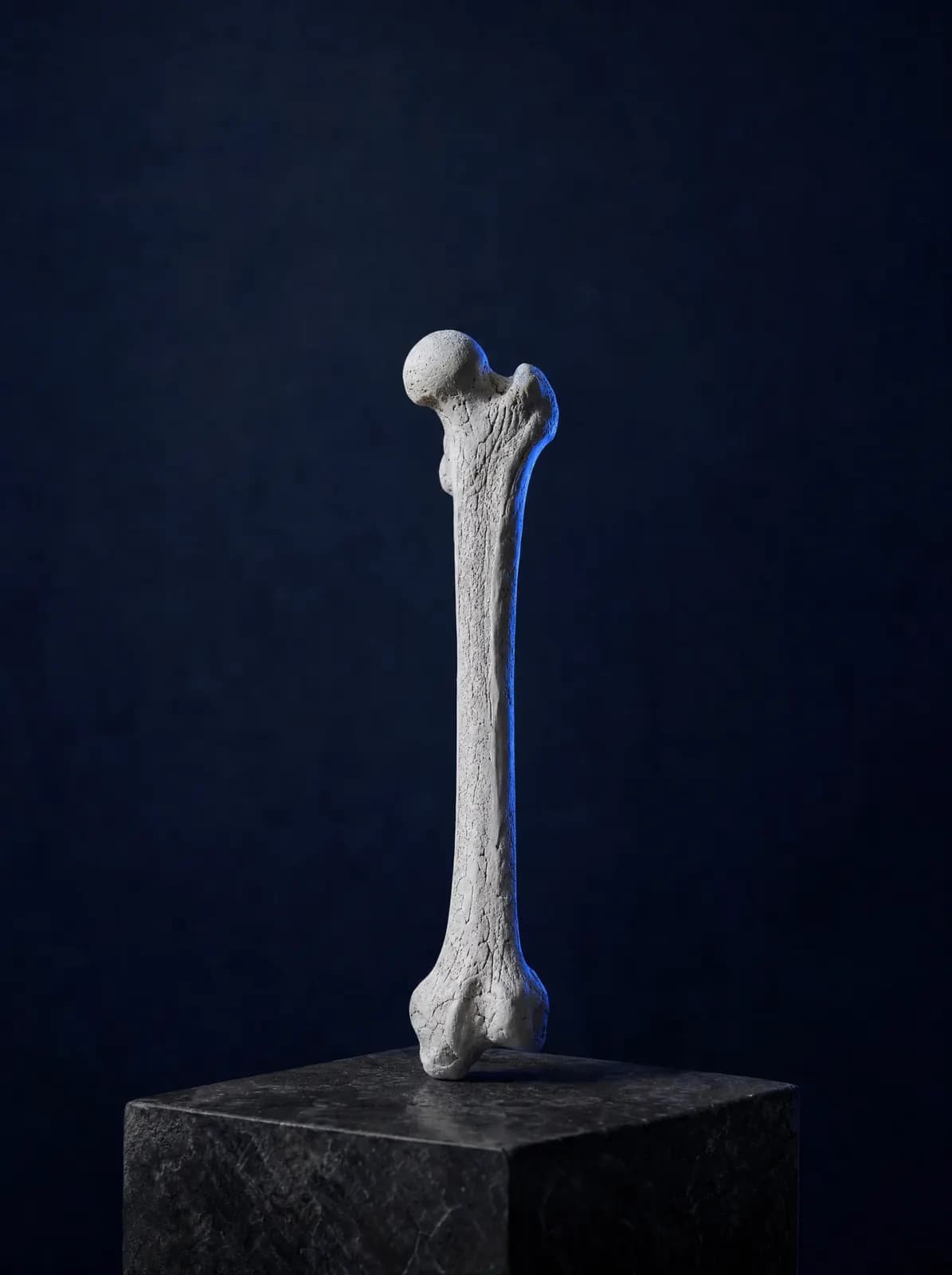
Bone and joint complaints in older adults are not a single disease. Osteoarthritis, osteoporosis, reduced muscle strength and impaired balance may coexist in the same patient. The hardest question for patients and relatives is often 'Which should we address first?'. This page brings together common complaints in older age and directs you to the page explaining each one.
In orthopaedic care for older adults, the aim is less to 'fix' individual joints than to preserve independent mobility. Everyday measures such as walking distance, managing stairs and reaching the toilet or kitchen safely guide treatment. Two patients with the same X-ray findings may be offered different plans because their general health and expectations differ; these reasons are explained during the consultation.
Two issues are particularly relevant in this age group. The first is osteoporosis: it progresses silently, and its first sign is often a fracture after a minor fall; details are on the osteoporosis page. The second is falls: most fractures in older adults result from simple falls at home, and many contributing factors, such as poor vision, medicine effects, impaired balance, unsuitable shoes and the home environment, can be reduced.
This is an overview page: topics such as knee, hip and shoulder osteoarthritis and hip fracture are covered on their own pages, which you can reach through the sections below. Prof. Dr. Alper Çıraklı assesses older patients at AC CLINIC in Altınordu, Ordu. Bringing a list of your medicines and any previous X-rays, bone density measurements and MRI results helps the assessment; a short video of walking recorded at home can also be useful for walking-related symptoms.
This information is general and does not replace examination. Do not wait if there is inability to stand after a fall, leg shortening and external rotation, sudden severe back pain, rapidly developing leg weakness or loss of bladder or bowel control: call 112 or attend the nearest hospital emergency department.
By Symptom
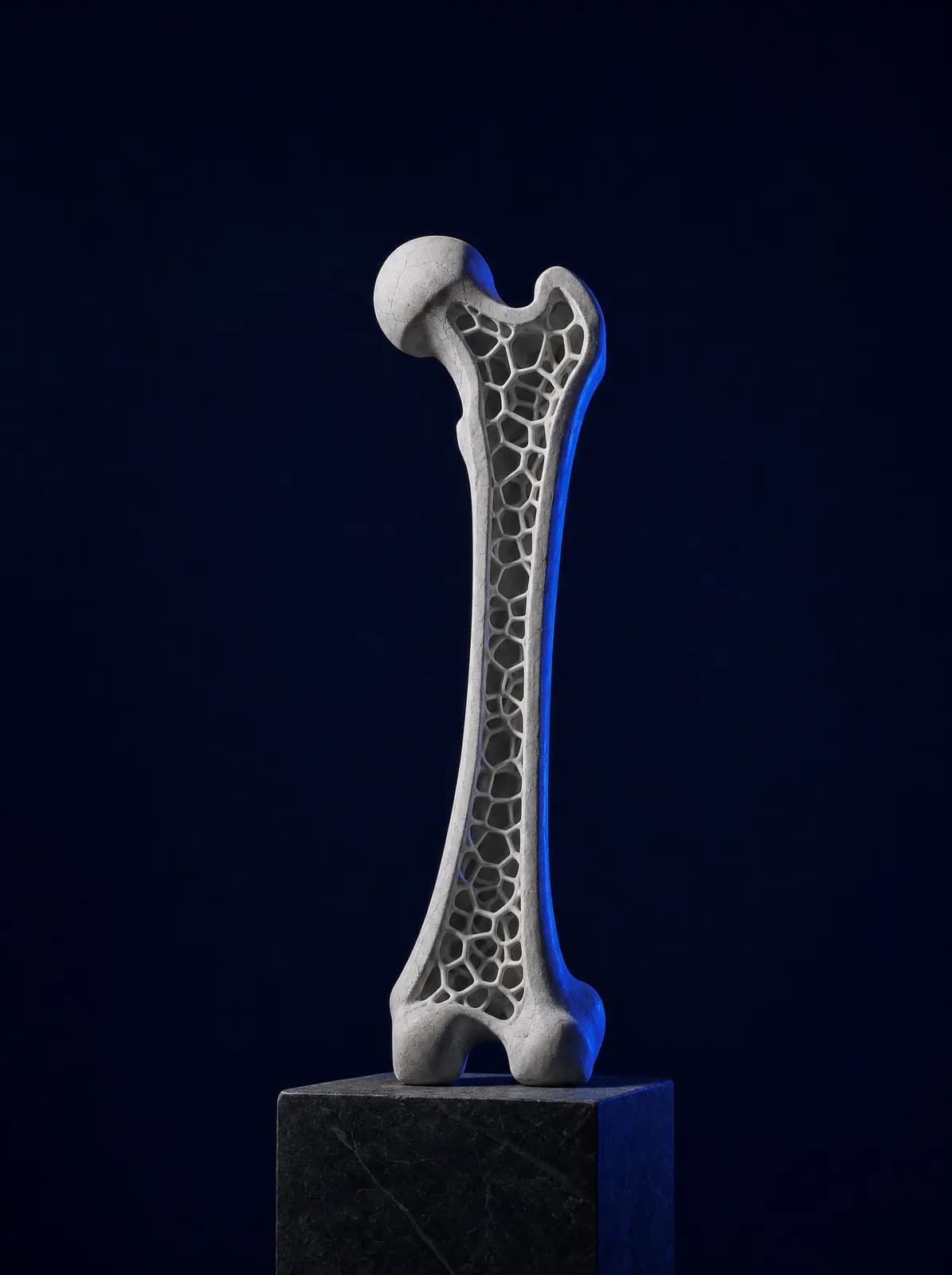

I Struggle to Walk and Fall Often. What Could Be the Cause?
Walking difficulties in older age do not have a single cause. Examination first distinguishes three possibilities: is walking limited by pain, weakness or loss of balance? When pain predominates, joint osteoarthritis, foot problems and pain arising from the lower back or hip are investigated. When weakness predominates, muscle loss, vitamin D deficiency and metabolic causes such as thyroid disease and diabetes are assessed. If balance is the main problem, vision, the inner ear, medicine effects and neurological causes are considered.
This distinction matters because treatment differs across all three groups, and some require collaboration with other specialties. Your walking is observed, strength and joint range measured, and simple balance tests performed when necessary; findings guide X-rays, blood tests or referral.
- Secure rug edges and remove cables and thresholds from walking routes at home
- Fit bathroom grab rails and a non-slip mat, and provide night lighting in corridors and on the route to the toilet
- Wear well-fitting shoes with closed heels and non-slip soles; avoid rushing around at home in slippers
- Have regular eye examinations and keep your spectacle prescription up to date
- Have all medicines reviewed annually by your doctor; sleeping tablets and blood-pressure medicines may increase fall risk
- Practise balance and leg-strengthening exercises several days a week; maintain daily walking
- If a walking stick or walker is recommended, have it adjusted to your height; correctly used support reduces falls
Widespread Bone and Joint Pain: Where to Start?
When someone says 'I ache everywhere', the whole picture must be assessed rather than a single joint. The pattern of pain through the day (whether it is worse in the morning or evening), the duration of stiffness, the presence of swelling and general signs such as fever or weight loss provide guidance. Widespread pain may result from osteoarthritis in several joints, vitamin D deficiency, thyroid or parathyroid problems, or a rheumatic disease. Examination and a few basic tests are therefore often more useful initially than going straight to imaging.
Restricted Joint Movement and Stiffness
In older adults, joint range of movement may decrease because of osteoarthritis, prolonged immobility, previous injury or stiffening of the surrounding soft tissues. Immobility creates a vicious circle: pain discourages movement, inactivity increases stiffness and muscle loss, and pain increases further. For many patients, the first treatment step is therefore pain control followed by early movement and regular exercise; physiotherapy is adapted to coexisting conditions.
Numbness and Burning in the Feet (Polyneuropathy): When to See a Neurologist?
Numbness, tingling, burning and a feeling of 'walking on cotton wool' that begin symmetrically in both feet usually arise from nerves, rather than joints; common causes include diabetes, vitamin B12 deficiency, thyroid disorders and certain medicines. This is not an orthopaedic condition and is not treated within orthopaedics; assessment is undertaken with neurology and internal medicine. The orthopaedic role is to distinguish whether numbness arises from the lower back or a single compressed nerve, and to advise on foot care and suitable footwear to prevent wounds and pressure damage in feet with reduced sensation.
Numbness with progressive weakness, foot drop, impaired bladder or bowel control, or sudden one-sided symptoms requires prompt medical assessment.
Rheumatic Disease or Osteoarthritis? What Is the Role of Orthopaedics?
The word 'rheumatism' is commonly used for almost any joint pain, but there are two different patterns. Osteoarthritis is a joint disease associated with wear: pain increases with movement and as the day progresses, morning stiffness is brief (usually less than half an hour), and weight-bearing joints (knees and hips) and the end joints of the fingers are most affected. Inflammatory rheumatic diseases, in contrast, arise from the immune system: morning stiffness lasts longer, joints become swollen and warm, both sides are often affected symmetrically, and fatigue or fever may occur; blood tests show raised inflammatory markers.
Examination, X-rays and blood tests distinguish these conditions. If an inflammatory rheumatic disease is suspected, its medical treatment is managed by rheumatology; orthopaedics assesses the extent of joint damage, performs procedures such as joint aspiration when needed and discusses joint-preserving or replacement surgery at advanced stages. If osteoarthritis is found, treatment is planned as explained on the relevant regional page.
Knee, Hip and Shoulder Osteoarthritis in Older People
Osteoarthritis is the most common cause of pain in older adults, but each joint's symptoms, examination and treatment differ and are covered on separate pages. Decisions depend on general health, limitations in daily life and expectations rather than age; replacement is not discussed before non-surgical options have been exhausted.
Fractures After Falls: Hip, Wrist and Spine
Reduced bone strength means even a low-energy fall can cause a fracture in older age. This section covers the first decision after a fall, rather than fracture details: which signs cannot wait and which page to consult.
Inability to stand after a fall, shortening of the leg and outward rotation suggest a hip fracture and require hospital attendance without delay. Wrist deformity, swelling and inability to move it after falling onto the hand suggest a wrist fracture. Sudden severe back pain that worsens on standing may indicate a spinal (vertebral compression) fracture. Examination, imaging and treatment options for all three are described on their respective main pages, accessible through the cards below.
As important as the fracture itself is why the bone broke so easily. Investigating and treating osteoporosis after a fragility fracture is a separate subject covered on the osteoporosis page.
Masses, Infection, Deformity and Foreign Bodies in Older Adults
Bone and soft tissue lumps, bone and joint infections, malunited fractures, age-related alignment problems and retained foreign bodies are separate topics in older people, each covered on its own page. Bone pain that worsens at night and persists at rest, weight loss, joint swelling with fever or discharge from an old surgical site should be assessed without delay.
Other Topics
The topics below also fall within orthopaedics in older age and are assessed at consultation. Detailed pages are being prepared; meanwhile, ask at your appointment or book by phone or WhatsApp.
- Vertebral compression fracture: sudden severe back pain in older adults, bracing and follow-up
- Kyphosis, back pain and age-related spinal osteoarthritis: postural problems, exercise and referral to the relevant specialty when needed
Frequently Asked Questions
Decisions are based on general health rather than chronological age. Heart and lung disease, diabetes, kidney function and blood-thinning medicines are assessed with anaesthetics and internal medicine before surgery. Surgery may be the safest option for some patients, while non-surgical care is preferred for others. With conditions such as hip fracture, waiting also carries risks, and this balance is discussed openly during consultation.
An orthopaedics and traumatology specialist assesses mechanical joint pain, restricted movement, suspected fractures and surgical decisions. Rheumatology is involved if inflammatory rheumatic disease is suspected, physical medicine and rehabilitation for exercise programmes, and neurology when there is foot numbness or weakness.
A correctly adjusted and properly used walking aid reduces falls and allows more walking, which preserves rather than weakens muscles. Cane height, which hand to use and walker type are determined during assessment. The greater problem is avoiding an aid and remaining inactive at home.
The general approach is walking on most days, leg and hip strengthening exercises two or three days a week, and regular balance training. Exercise is adapted to coexisting heart, lung and joint conditions; movements that markedly increase pain, involve jumping or require sudden turns are avoided. Examination and, when needed, physiotherapy input are recommended to tailor the programme.
Appointments can be booked by phone or WhatsApp. AC CLINIC is on Şehir Hastanesi Bulvarı in Altınordu. Bringing a medication list, previous X-rays, MRI and bone density results, and recent blood tests helps assessment; if you have walking difficulties, coming with a companion may make examination easier.
The practice is not a 7/24 emergency department. Call 112 or attend the nearest hospital emergency department if you cannot stand after a fall, the leg is shortened and turned outwards, there is an open wound, a hand or foot is cold, bluish or numb, severe back pain starts suddenly, or bladder or bowel control changes.
Appointments and Contact
Call or contact us on WhatsApp to arrange an appointment. Briefly describe your symptoms; we try to schedule your examination and any necessary imaging on the same day.
- Opening hours
- 08:30–18:00Monday – Saturday
The clinic is not a 24/7 emergency department. For a fracture, dislocation, open wound, or inability to bear weight with fever, call 112 or attend the nearest hospital emergency department.