Hip Fractures, Particularly in Older People: Urgency, Surgery and Recovery
A hip fracture is a break in the upper femur near the hip and can occur after even a simple fall in older adults. This page explains why it is an emergency, surgical options, recovery and prevention of further fractures.
Also known as: Femoral neck fracture, Fracture around the hip joint, Trochanteric fracture, Hip fracture in older people

Your Treatment Pathway
Urgent Assessment
Examination and X-ray when a patient cannot stand after a fall; CT or MRI if uncertain.
Preparation for Surgery
General health, medicines and suitability for anaesthesia are assessed promptly.
Surgery
Fixation with a nail, screws or plate, or partial or total hip replacement, according to fracture type.
Early Movement
Standing with a walking frame on the first day in suitable patients, with measures against blood clots and lung complications.
Movement and Protection
Strength training, osteoporosis treatment and home fall-prevention measures.
What Is a Hip Fracture, and What Types Are There?
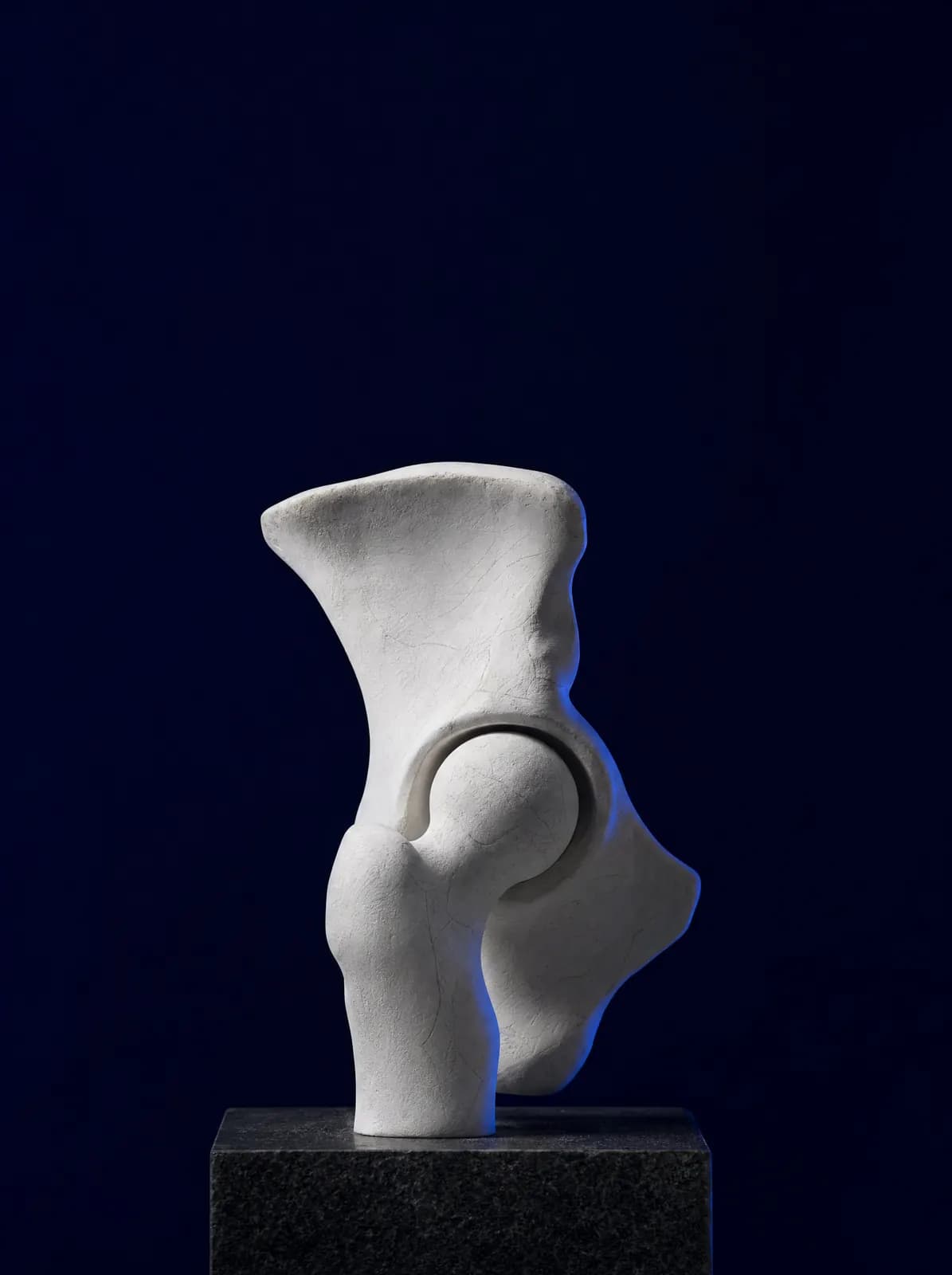
A hip fracture is a break in the upper part of the thighbone (femur), close to the hip joint. Its location directly determines treatment: the two commonest groups are femoral neck fractures, in the neck joining the rounded head to the shaft, and trochanteric fractures, involving the prominent region just below it. Because the blood supply to the femoral head can be disrupted easily by a neck fracture, treatment differs between these two groups.
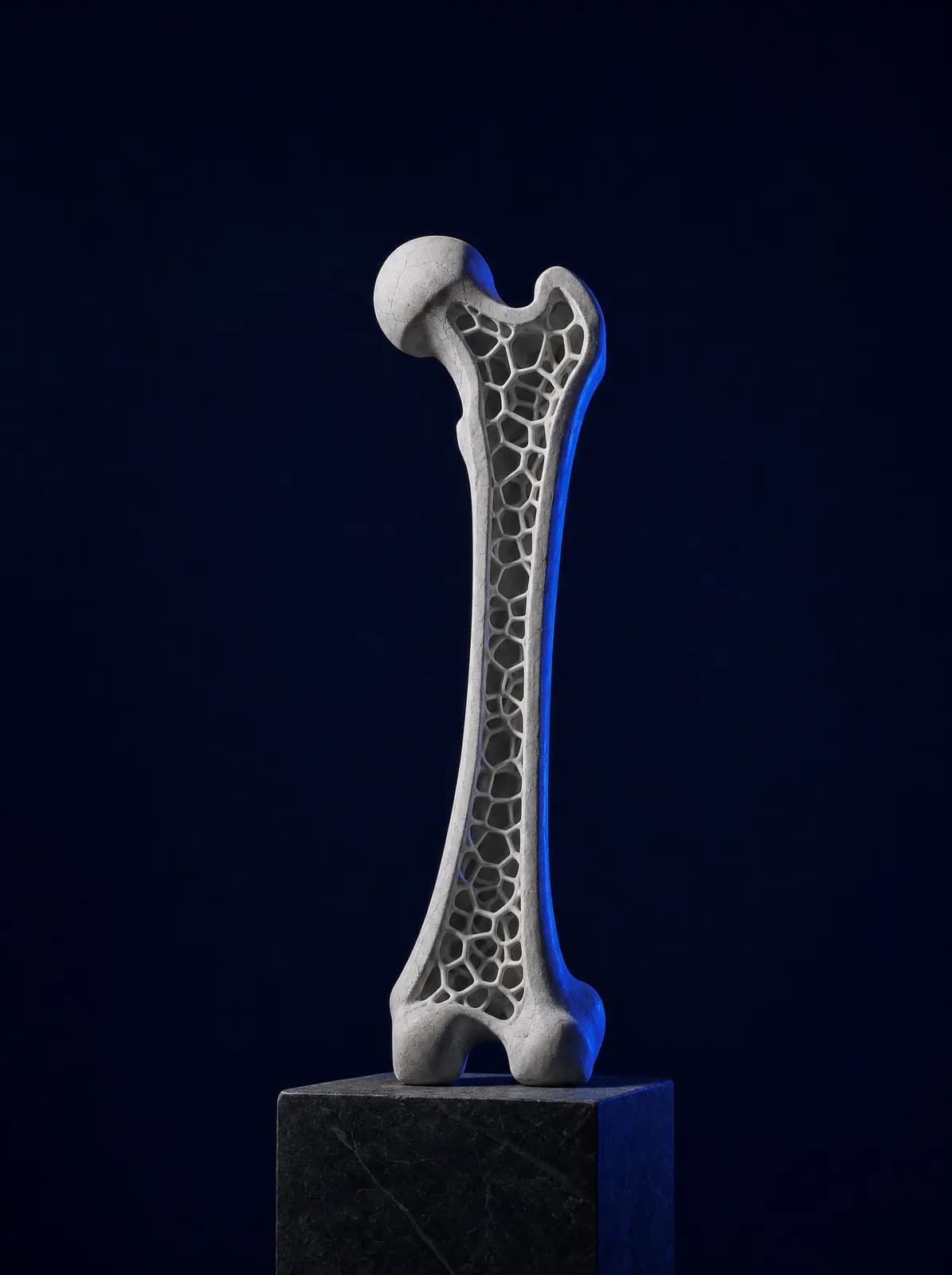
In young adults, hip fractures result from high-energy injuries such as road traffic accidents or falls from height. In older adults, reduced bone strength means that tripping over a rug, slipping in the bathroom or landing heavily from a seated position can be enough. A hip fracture after 65 is therefore often the first serious warning of osteoporosis.
Why Is a Hip Fracture an Emergency?
A hip fracture is not only a bone problem; by confining the patient to bed, it affects the whole body. Prolonged immobility rapidly increases the risks of chest infection, leg-vein clots, urinary tract infection, pressure sores and muscle loss. The current approach therefore favours early surgery and early mobilisation as far as the patient's medical condition allows.
An older person with hip pain who cannot stand after a fall should not wait at home. If fracture is suspected, call for help without moving them; do not try to straighten or "put back" the leg.
What Are the Symptoms?
If any of the following occur after a fall, suspect a hip fracture and attend hospital without delay:
- Severe groin and hip pain, inability to stand or take a step
- The painful leg looks shorter and the foot turns outwards
- A marked increase in pain when trying to move the leg
- Swelling and bruising around the hip
- Some patients can walk with support despite a fracture; being able to walk does not exclude a fracture
How Is It Diagnosed?
Diagnosis is made by emergency-department examination and pelvic and hip X-rays. If the fracture line is unclear and symptoms persist, CT or MRI is requested; undisplaced occult fractures may be missed on initial X-rays. Further investigation is therefore needed when someone sent home after a "normal X-ray" still cannot stand.
Alongside identifying the fracture, general health is assessed: blood tests, heart and lung assessment, and review of anticoagulants and diabetes or blood-pressure medicines. The timing of surgery is decided with the anaesthetic team according to these findings.
How Is Surgery Performed?
The method depends on fracture type, displacement, age and preoperative walking ability. There are two main approaches:
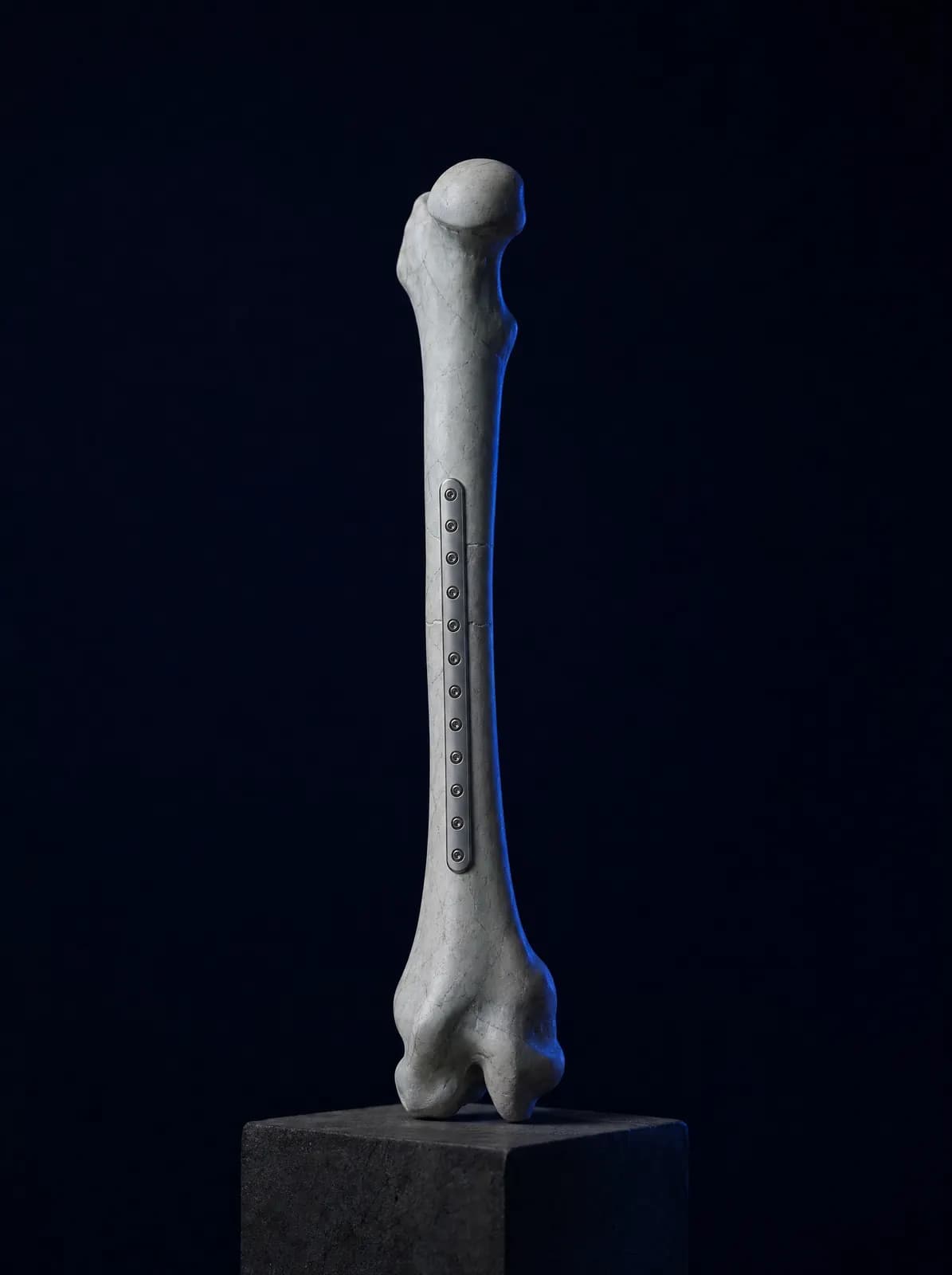
- Fracture fixation (osteosynthesis): fragments are secured with screws, plates or a nail inside the bone (intramedullary nail). It is commonly used for trochanteric and undisplaced femoral-neck fractures.
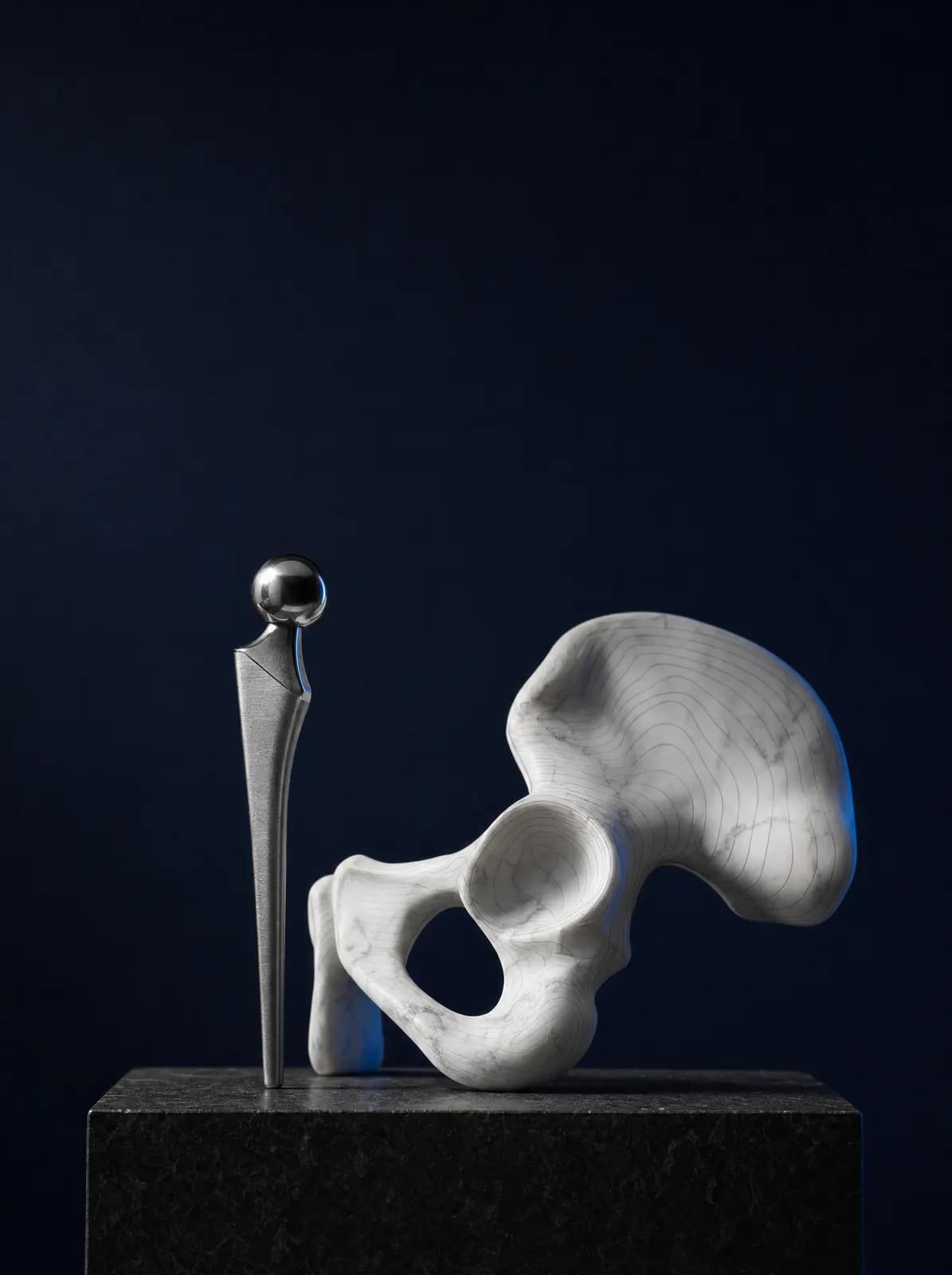
- Replacement: If a femoral-neck fracture compromises blood supply to the head, the joint surface is replaced rather than the fracture fixed. Depending on age and joint condition, a hemiarthroplasty or total hip replacement may be chosen.
What Happens Without Surgery?
Non-surgical management with bed rest is considered only in very limited circumstances when the patient's general health does not permit surgery. The fracture often fails to unite appropriately, pain continues and prolonged bed rest increases the risks of chest infection, blood clots and pressure sores. The current aim is therefore to manage the risks and operate as soon as feasible to get the patient mobile.
How Does Recovery Progress?
After surgery, the aim is to help suitable patients stand with a walker on the first day. Pain control, breathing exercises, clot-prevention treatment and nutritional support are integral to this period. Hospital stay depends on general condition and support needs.
A walking frame or crutches are used in the first weeks; the duration depends on the fracture and operation. Regaining muscle strength takes months and progresses with regular exercise. In older patients, pre-fracture walking ability and accompanying illnesses are major determinants of recovery, so realistic goals are set individually.
Plan care at home after discharge: bathroom grab rails, a high chair, night lighting, removing slippery rugs and checking glasses and hearing aids help prevent further falls.
How Can We Prevent Further Fractures?
A person who has had a hip fracture has an increased risk of another fracture. Treatment therefore extends beyond the operation to address bone health and fall risk together. Bone density is measured, vitamin D and calcium status assessed, and osteoporosis treatment started if needed. See osteoporosis for details.
Effective fall-prevention measures are simple: balance and leg-strengthening exercises, removing trip hazards at home, suitable soles, reviewing medicines that cause dizziness with a doctor, and an eye examination. The wider approach is described on the orthopaedics for older adults page.
Other Fractures in Older People
Osteoporotic fractures most often affect the hip, wrist and spine. Wrist fractures usually result from falling onto an outstretched hand; vertebral compression fractures may occur without a clear fall, sometimes when bending forwards, causing back pain and height loss. These fractures are covered on their own pages rather than here.
For general questions about casting versus surgery, healing time and non-union, see fracture treatment.
Frequently Asked Questions
Every operation carries risks, which increase with coexisting conditions in older age. However, remaining bedbound without surgery also carries substantial risks. The decision incorporates heart and lung assessment and anaesthetic advice, with clear explanation to the patient and family.
The fracture often fails to heal appropriately, pain persists and prolonged bed rest follows. This increases risks of chest infection, blood clots and pressure sores. Non-surgical care is considered only for a limited group whose general condition prevents surgery.
Suitable patients are usually helped to stand with a walker on the first day. Permitted weight-bearing and duration of support depend on fracture type and the operation; a personalised programme is provided.
It depends on fracture location and displacement. Replacement is more often chosen for displaced femoral-neck fractures with impaired blood supply to the head; nails, screws or plates are more commonly used for trochanteric and undisplaced fractures.
Do not try to move the patient, straighten the leg or help them stand. Keep them covered and call 112. The clinic is not a 7/24 emergency service; contact 112 or the nearest hospital emergency department.
After the acute phase has been managed in hospital, you can book by telephone or WhatsApp at AC CLINIC in Altınordu for follow-up and rehabilitation planning. Bringing your operation report and latest X-rays is helpful.
References
Appointments and Contact
Call or contact us on WhatsApp to arrange an appointment. Briefly describe your symptoms; we try to schedule your examination and any necessary imaging on the same day.
- Opening hours
- 08:30–18:00Monday – Saturday
The clinic is not a 24/7 emergency department. For a fracture, dislocation, open wound, or inability to bear weight with fever, call 112 or attend the nearest hospital emergency department.