Fractures, Dislocations and Orthopaedic Emergencies
After a fall, accident or sudden injury, some findings can wait while others require action within minutes. This page guides you to the appropriate next step and information for your symptoms.
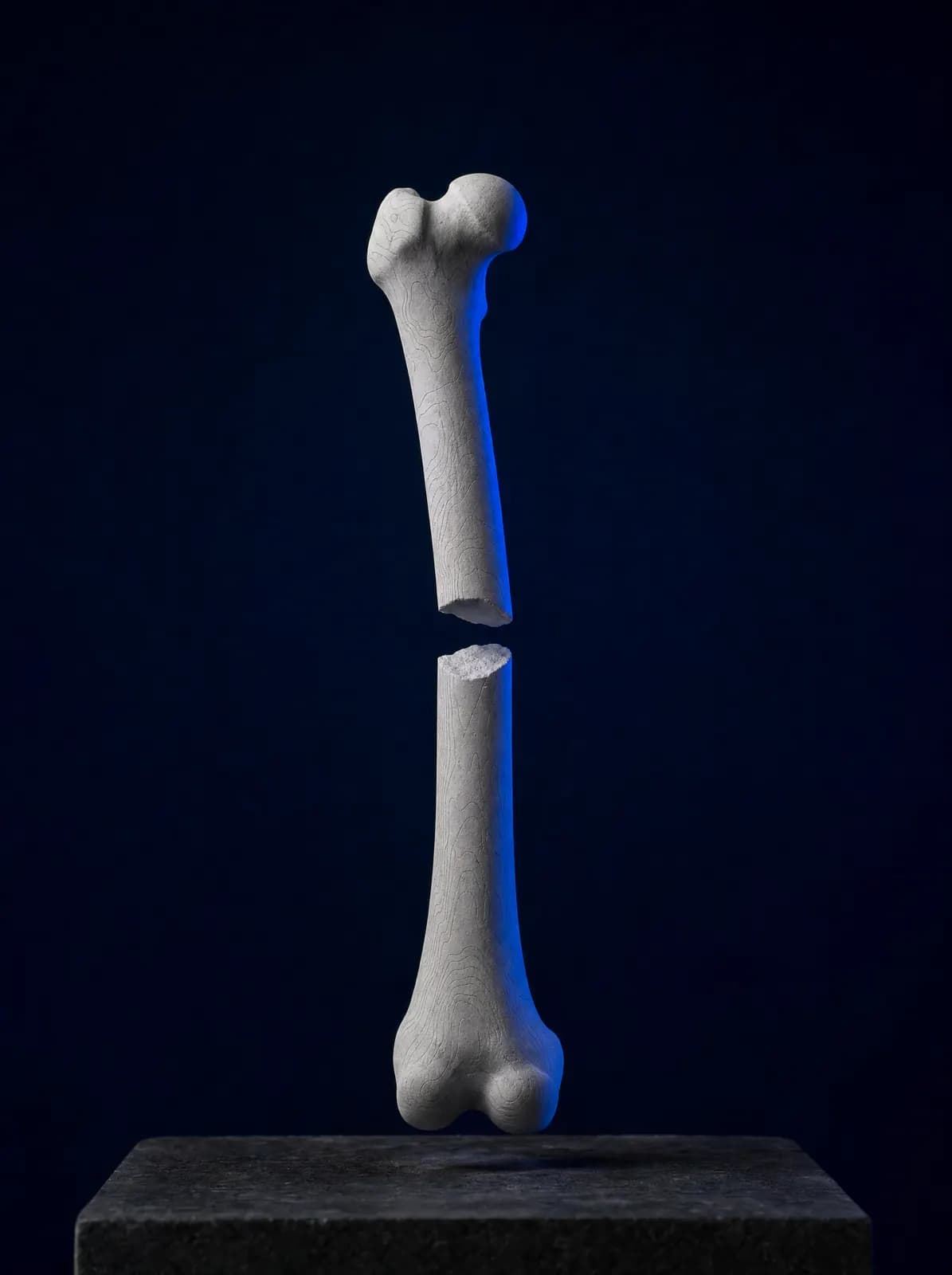
Broken bones, dislocated joints and retained foreign bodies form the emergency side of orthopaedics. Two questions matter: does this need immediate assessment, and what is the appropriate treatment? This page lists symptoms following accidents or falls in plain language and links each to its relevant page.
Some signs cannot wait: coldness, bluish discolouration or increasing numbness in the injured limb, severe pain worsening even at rest, bone visible through an open wound, obvious deformity or complete inability to bear weight are emergencies. The practice is not a 7/24 emergency department; call 112 or attend the nearest hospital emergency department in these circumstances. Delay can cause problems that are difficult to remedy later.
Care does not end after emergency assessment: appropriate cast monitoring, follow-up X-rays after fixation with plates, screws or nails, monitoring union and restoring movement and muscle strength take months. This is also the commonest reason for attendance at the practice: follow-up after initial hospital treatment, a request for a second opinion, or replanning care for a fracture that has not united or has healed in the wrong position.
The table below links the phrases most commonly used by patients and their relatives to the relevant page. If your symptoms fit more than one row, start with the most troublesome one. You can book by telephone or WhatsApp at AC CLINIC in Altınordu, Ordu, for follow-up after fractures and injuries, review of imaging and discussion of a treatment plan; patients with emergency signs should first attend a hospital emergency department.
By Symptom
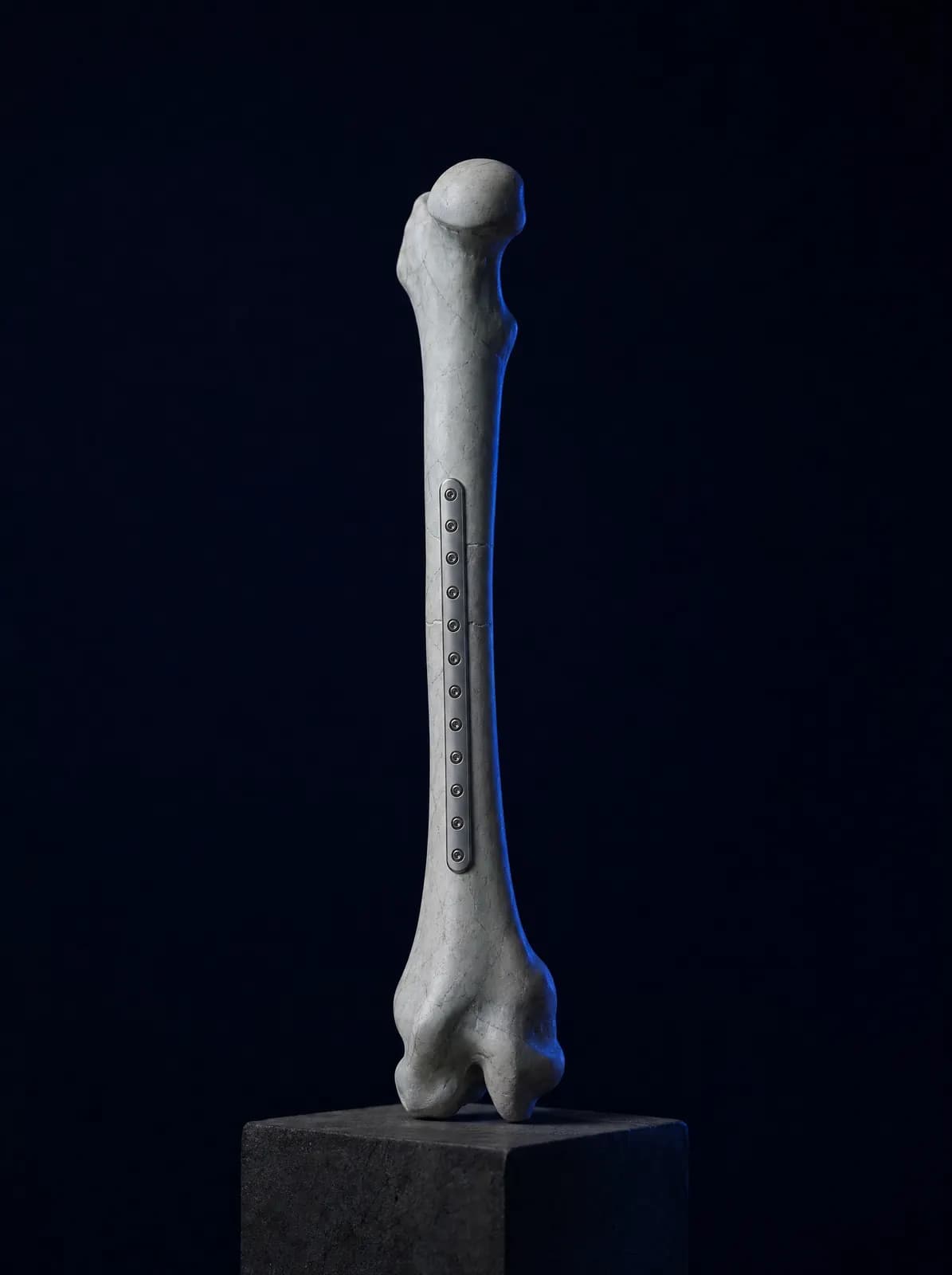
Which Symptoms Are Emergencies? Circulatory Problems and Compartment Syndrome
Some signs after injury are time-critical regardless of whether a bone is broken. Their common feature is threatened blood flow or nerve function in the affected region. Below are three common conditions, followed by warning signs that must not wait.
Compartment syndrome is a dangerous rise in pressure within the membranes enclosing muscle groups after an injury. Typically, there is progressively worsening pain out of proportion to the injury that does not respond to painkillers; passively stretching the fingers or toes makes it markedly worse. Bluish discolouration, numbness and swelling after application of a cast or tight dressing are assessed in the same context. Delay can lead to permanent muscle and nerve damage.
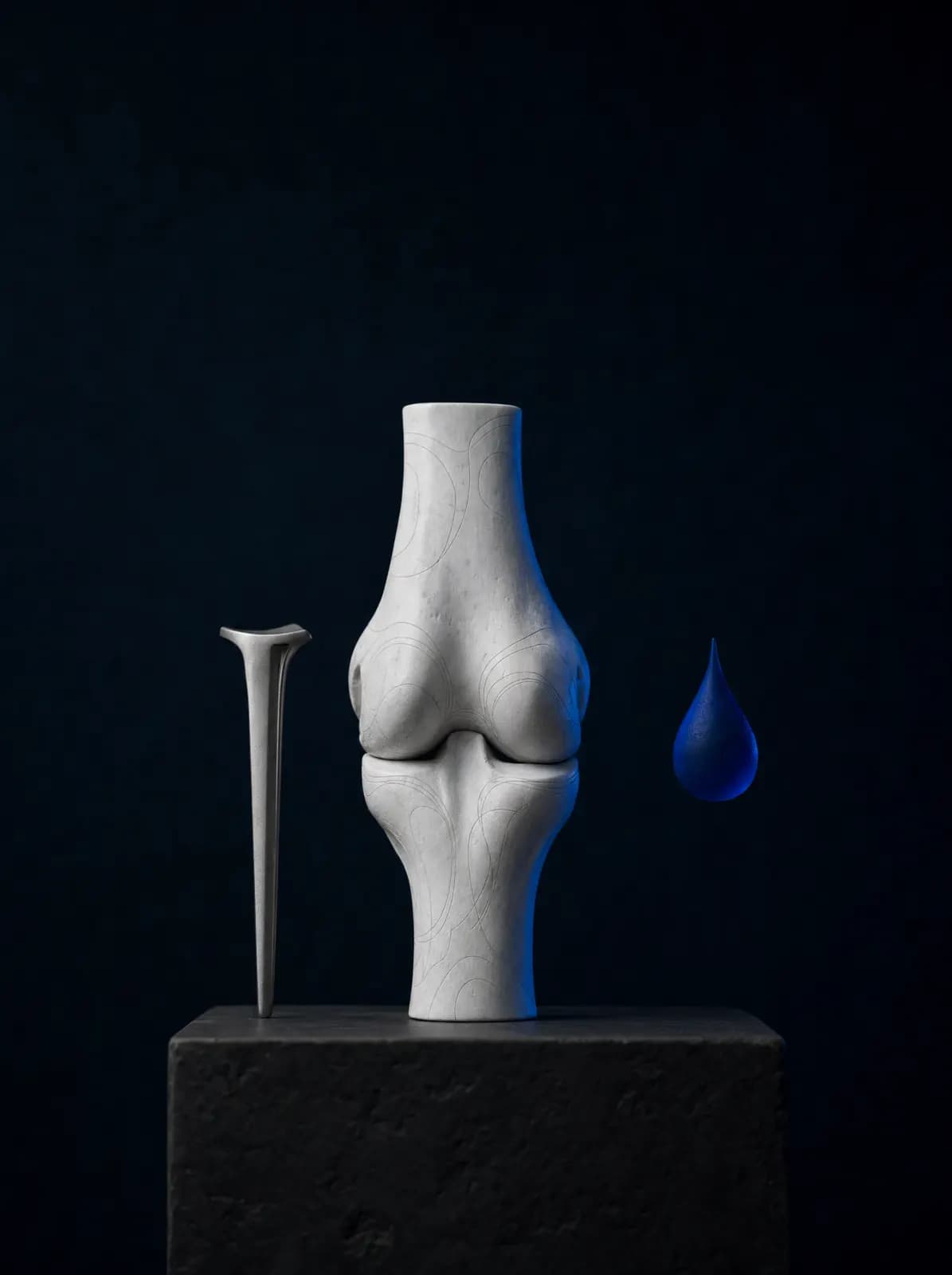
A dislocation (separation of the joint surfaces) is also an emergency: the joint remains locked, becomes visibly deformed and cannot be moved. Reduction is a procedure performed under appropriate conditions after assessment of blood vessels and nerves and usually an X-ray. Do not try to put it back yourself or with help from people around you; doing so may cause a fracture or worsen nerve and vessel injuries. Support the injured area in its existing position and seek medical care.
Visible bone through an open wound, contamination with soil or manure, bleeding that will not stop, a cold or discoloured limb, and redness or discharge with fever also require prompt assessment.
Common warning signs that must not be left to wait include:
- A cold, pale or bluish limb, with no palpable pulse
- Increasing numbness, tingling or inability to move the fingers
- Severe pain and tightness worsening even at rest and not relieved by painkillers
- Bone visible through an open wound or bleeding that will not stop
- An obvious limb deformity, a locked joint or complete inability to bear weight
- Fever, redness, warmth and discharge at the injury site
Orthopaedic Assessment After Road, Workplace, Domestic, Industrial and Agricultural Accidents
How an injury happened directly affects the treatment plan. This is why the doctor first asks about the amount of energy involved: a fall from standing height at home produces different injury patterns from a vehicle collision or a fall from height. High-energy events may fracture several bones, affect the spine and pelvis, and cause injuries that become apparent only after the first few hours.
Road traffic accidents and falls from height are high-energy injuries; the heel, spine and hip region are often affected, and multiple injuries are more likely. Workplace and industrial injuries commonly involve crushing by presses, rollers and heavy machinery; the condition of the skin, muscles, blood vessels and nerves matters as much as the bone. Accidents at home mainly involve simple falls and cuts from sharp objects; in older adults, even a fall from standing height can cause a hip or wrist fracture.
Another group frequently seen in Ordu and the surrounding area is agricultural and livestock-related injuries: falls on sloping ground in hazelnut orchards, falls from trees or ladders, injuries involving threshers and rotary cultivators, and kicks or crushing by animals. Their shared risk is a higher likelihood of infection because wounds may be contaminated with soil; wound cleaning, review of tetanus protection and close follow-up form part of the plan.
Initial care after an accident takes place in the emergency department. The practice's role follows: assessing fixation, monitoring union, restoring movement and muscle strength, and planning return to work and daily life. Injuries sustained during sport are covered separately on the sports injuries page.
Children's Emergencies and Cuts to the Hands and Feet: Where to Seek Help?
Emergencies in children differ from those in adults; a change in behaviour may be the only sign because a child cannot describe the symptoms. In a child who suddenly cannot bear weight, limps or refuses to use a leg, joint infection (septic arthritis) must be distinguished promptly from transient synovitis; accompanying fever makes assessment even more urgent. In a young child unable to lift an arm after being pulled by it, a displacement around the elbow (pulled elbow) is considered.
Cuts to the hands and feet may involve tendon, nerve and vessel injuries even when they look small. Inability to bend or straighten a finger, fingertip numbness and persistent bleeding suggest a deep injury; early presentation is important for repair.
These subjects are detailed on their relevant pages. If your child has the signs above, first attend the nearest healthcare facility; you can request a clinic appointment by phone or WhatsApp.
Other Trauma and Emergency Topics
The following subjects also fall within this section and are common reasons for consultation. Their detailed pages are being prepared; if your symptoms match one of them, they will be assessed fully during your consultation. If there is a growing mass at an injury site or residual angulation or a difference in limb length after an accident, follow the relevant sections.
- Treatment and reduction of dislocations (shoulder, elbow, finger, hand and foot)
- Foreign body removal (needle, glass, splinter, nail)
- Bone and joint infections (osteomyelitis, septic arthritis and wound infection)
Frequently Asked Questions
Diagnosis and treatment of fractures, dislocations and injuries fall within orthopaedics and traumatology. Immediately after an accident or with emergency signs, the first destination is a hospital emergency department; orthopaedic outpatient clinics or a consulting practice are appropriate for subsequent follow-up, union checks and rehabilitation planning.
Examination and X-ray provide the definitive distinction. Inability to bear weight, obvious deformity, point tenderness over bone and rapidly increasing swelling suggest a fracture, but sprains and fissure fractures may look similar. Assuming there is no fracture and waiting may delay recognition of a displaced fracture.
Do not delay if a limb is cold or bluish, numbness is progressing, severe pain does not respond to painkillers, bone is visible through a wound, bleeding will not stop, consciousness changes, spinal injury is suspected or several areas are injured. The practice is not a 7/24 emergency department; call 112 or attend the nearest hospital emergency department.
No. Reducing a dislocation is a medical procedure performed under appropriate conditions after circulation and nerve examination and usually X-rays. Attempts may cause a fracture or worsen cartilage and ligament damage. Support the limb as it is and seek medical care.
Yes. Following casting or fixation, regular reviews assess alignment, union, joint movement and strength. This helps detect displacement, non-union and restricted movement early.
You can book by telephone or WhatsApp at AC CLINIC in Altınordu. Bringing previous X-ray, CT and MRI images, operation reports and discharge summaries helps assessment. Patients with emergency signs should first attend a hospital emergency department.
Appointments and Contact
Call or contact us on WhatsApp to arrange an appointment. Briefly describe your symptoms; we try to schedule your examination and any necessary imaging on the same day.
- Opening hours
- 08:30–18:00Monday – Saturday
The clinic is not a 24/7 emergency department. For a fracture, dislocation, open wound, or inability to bear weight with fever, call 112 or attend the nearest hospital emergency department.