Pulled Elbow (A Child Unable to Lift Their Arm)
Pulled elbow occurs in young children when a sudden pull on the arm causes an elbow bone to slip partly beneath a ligament. The child stops using the arm, usually without swelling or bruising. Assessment and reduction must be performed by a doctor.
Also known as: Subluxation of the radial head, Pulled elbow, Nursemaid's elbow, Pulled elbow
Your Treatment Pathway
Application
A child who is not using their arm is brought to the doctor with the arm supported, without forcing movement.
Examination
History and examination assess the elbow, forearm, wrist and shoulder together.
Imaging if Required
An X-ray is requested to exclude fracture after a fall, with swelling or if doubt remains.
Reduction
A doctor restores the radial head to its normal position in a brief procedure.
Observation and Movement
Aim: comfortable arm use again; reassessment if the child does not resume using it.
What Is a Pulled Elbow?
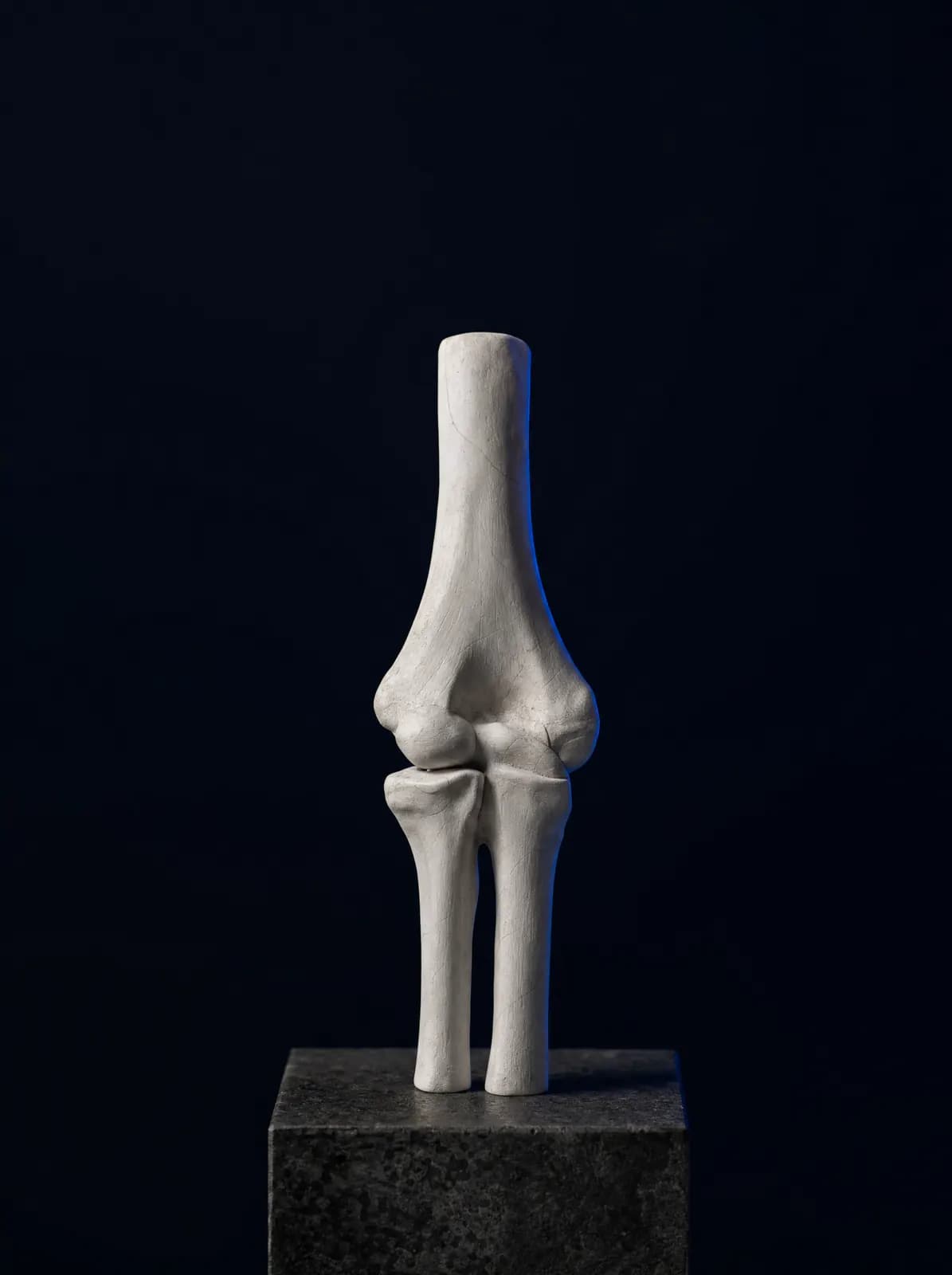
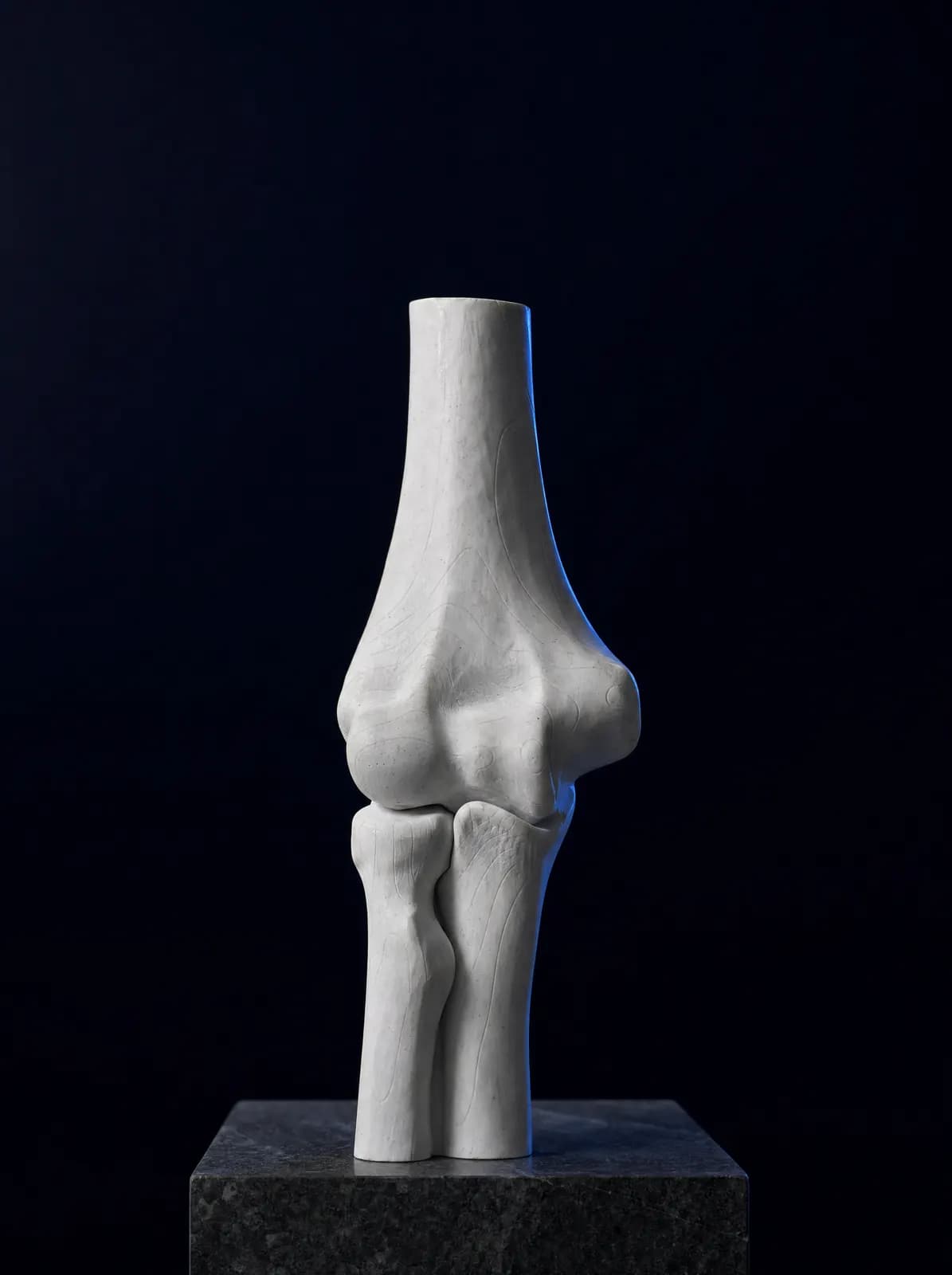
The elbow is where the upper arm bone (humerus) meets the two forearm bones (radius and ulna). The upper end of the radius is held in place by a ring-shaped band, the annular ligament. In young children this ligament is still lax, and the radial head has not yet developed its full rounded shape.
A sudden pull on the arm may cause the radial head to slip partly beneath this ring-shaped ligament; trapped ligament tissue causes pain and the child stops using the arm. This is commonly called pulled elbow, medically radial head subluxation. There is no bone fracture or complete joint dislocation.
It is most common at ages 1–4; frequency decreases markedly after 5–6 as the ligament strengthens. It is a frequent cause of "cannot lift the arm" in young children brought to AC CLINIC in Ordu and usually resolves quickly after correct assessment.
How Does It Develop?
It often follows a very simple movement, and families may blame themselves, although it reflects young children's anatomy. The most common mechanisms are:
- Pulling a child upwards by the hand or lifting them by the arm on stairs or a kerb
- Swinging children in the air by their hands or spinning them around
- A child being caught by the hand while falling and suddenly hanging from it
- Pulling the arm forcefully while putting on a jacket or jumper
- Sometimes rolling onto the arm while lying down or a minor fall, without obvious pulling
What Are the Symptoms?
The distinguishing feature is the child's refusal to use the arm. Common findings include:
- The child suddenly stops using the arm and will not pick up a toy with that hand
- The arm rests close to the body, the elbow slightly bent and the palm facing down
- The child cries when the elbow is moved and does not want the arm touched
- There is usually no obvious swelling, bruising or deformity at the elbow
- The child may be calm while keeping the arm still, leading the family to underestimate the problem
What Should You Do and Avoid?
The child should be seen by a doctor. Do not try manoeuvres described online or by others as 'turn it this way to put it back': a child who is not using an arm may have a fracture or another injury, and blind manipulation can cause harm.
Until the child is seen, do not force, pull or rotate the arm. Leave it in a comfortable position, supported close to the body. Be cautious about food and drink until medical advice is obtained, as further assessment may be needed.
The clinic is not a 7/24 emergency department. Marked swelling or deformity after a fall, an open wound, a cold, blue or numb hand, or deterioration in the child's general condition requires calling 112 or attending the nearest hospital emergency department without delay.
How Is It Diagnosed?
Diagnosis is largely based on history and examination. The mechanism, usually pulling the arm, the child's age, arm position and absence of swelling or bruising form the typical pattern. The elbow, forearm, wrist and collarbone are examined together because children cannot always locate pain precisely and its source may be nearby.
X-rays are usually unnecessary when the history and examination are typical. They are requested if there has been a fall or blow, if elbow swelling or tenderness is prominent, or if the child has not started using the arm after the procedure. Imaging aims to exclude the fractures around the elbow that are common in children; for general management of childhood fractures, see fracture treatment.
How Is It Treated?
Treatment restores the radial head to its normal position beneath the annular ligament (reduction). A doctor performs this procedure in seconds, usually without medicine or anaesthesia. The child may cry briefly during the procedure, with relief expected soon afterwards.
After a successful procedure, children usually start using the arm spontaneously within a short time, although this can sometimes take several tens of minutes. They are therefore observed afterwards. If arm use does not resume, the procedure may be repeated or X-rays requested to investigate another injury.
A cast, splint or prolonged sling is unnecessary in most cases. The ligament heals quickly and the child resumes normal activity. A brief sling and review may be arranged if needed.
Can It Recur, and How Can It Be Prevented?
Recurrence is possible after one episode because underlying laxity persists until growth corrects it. Simple habits protecting the child's arm are recommended in recurrent cases:
- Do not lift or swing a child by the hands
- Support the child under the armpits or around the trunk when lifting
- Avoid sudden pulls while holding the child's hand; hold gently by the hand rather than the wrist
- When dressing, open the garment to fit over the arm without forcing it
- Inform carers, siblings and grandparents about the same precautions
When Are Further Investigations Needed?
Frequent recurrence, onset after five–six years or failure to improve after reduction requires detailed assessment and imaging of elbow structures. For other conditions, see elbow conditions.
Frequently Asked Questions
It is usually recognised when a child suddenly stops using the arm after it has been pulled. The arm is held close to the body with the elbow slightly bent; swelling and bruising are usually absent. A doctor's examination establishes the distinction.
Do not attempt this at home. A child not using an arm may have a fracture or another injury; uninformed manoeuvres may cause harm. Reduction is performed by a doctor after examination.
The procedure takes seconds and usually requires no medicine or anaesthesia. The child may cry briefly during it, with relief expected afterwards.
Usually not. The child soon starts using the arm. A short period in a sling and a review may be recommended if necessary.
It is most common at ages 1–4; frequency falls markedly after 5–6 as the ligament strengthens. Similar symptoms in older children prompt investigation of other causes.
You can attend AC CLINIC by booking by telephone or WhatsApp during working hours. After a fall, marked swelling, deformity, an open wound or a cold or bluish hand, call 112 or attend the nearest emergency department rather than waiting for the practice.
References
Appointments and Contact
Call or contact us on WhatsApp to arrange an appointment. Briefly describe your symptoms; we try to schedule your examination and any necessary imaging on the same day.
- Opening hours
- 08:30–18:00Monday – Saturday
The clinic is not a 24/7 emergency department. For a fracture, dislocation, open wound, or inability to bear weight with fever, call 112 or attend the nearest hospital emergency department.