Perthes Disease (Impaired Blood Supply to the Femoral Head in Children)
Perthes disease is a temporary disturbance of blood supply to the femoral head in childhood. It presents with limping and hip or knee pain; treatment aims to preserve the head's round shape while bone remodels.
Also known as: Legg–Calvé–Perthes disease, Perthes, Avascular necrosis of the femoral head in childhood
Your Treatment Pathway
Examination
Limping, pain location and hip movement are assessed in detail.
Imaging
Hip X-rays and, when necessary, MRI determine the stage and extent of involvement.
Plan
Observation, bracing or surgery is selected together according to age, stage and containment.
Administration
Activity modification and a movement programme; surgery where necessary.
Growth Monitoring
Aim: preserve femoral-head roundness and monitor range of movement; follow-up continues.
What Is Perthes Disease?
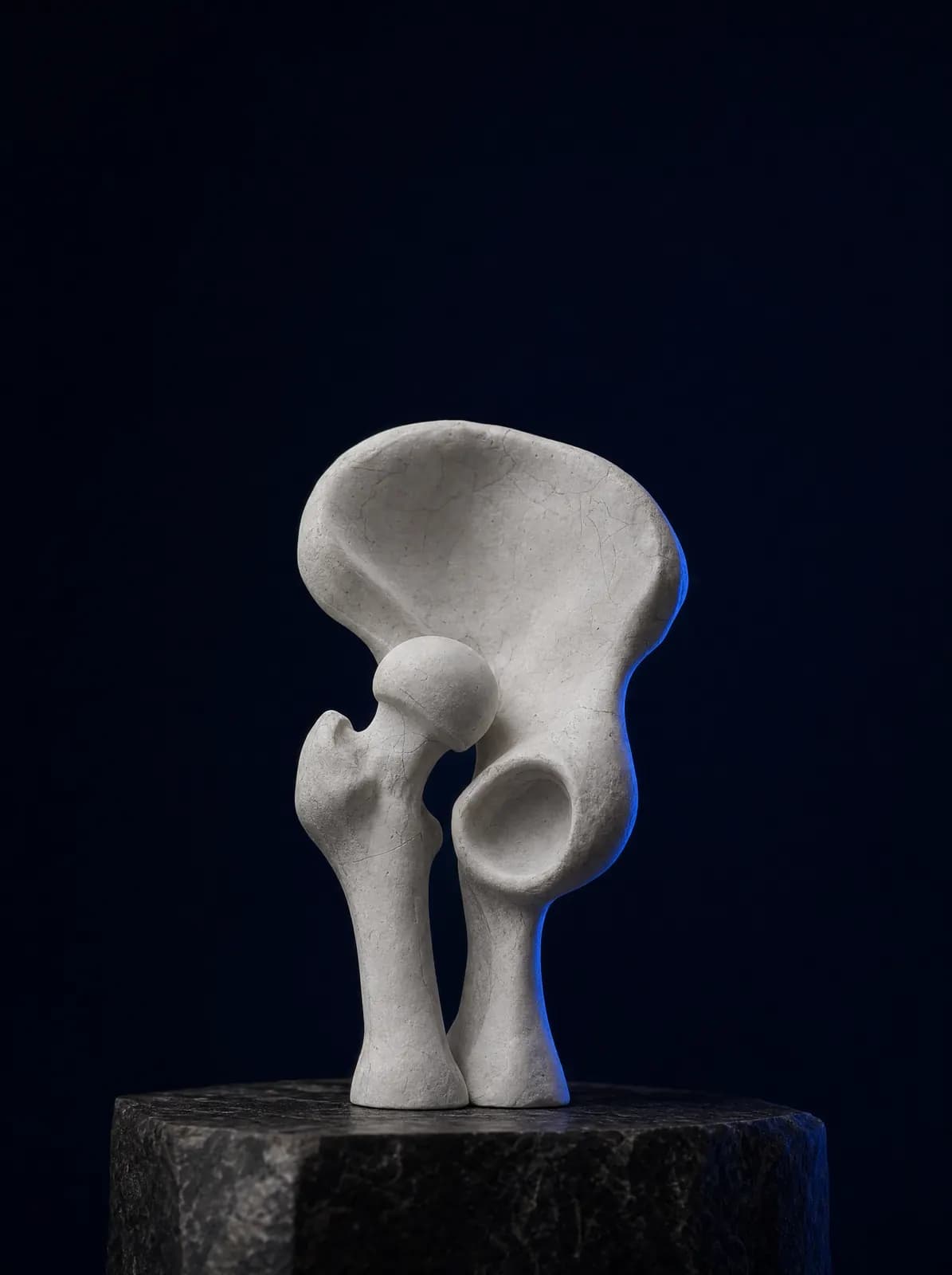
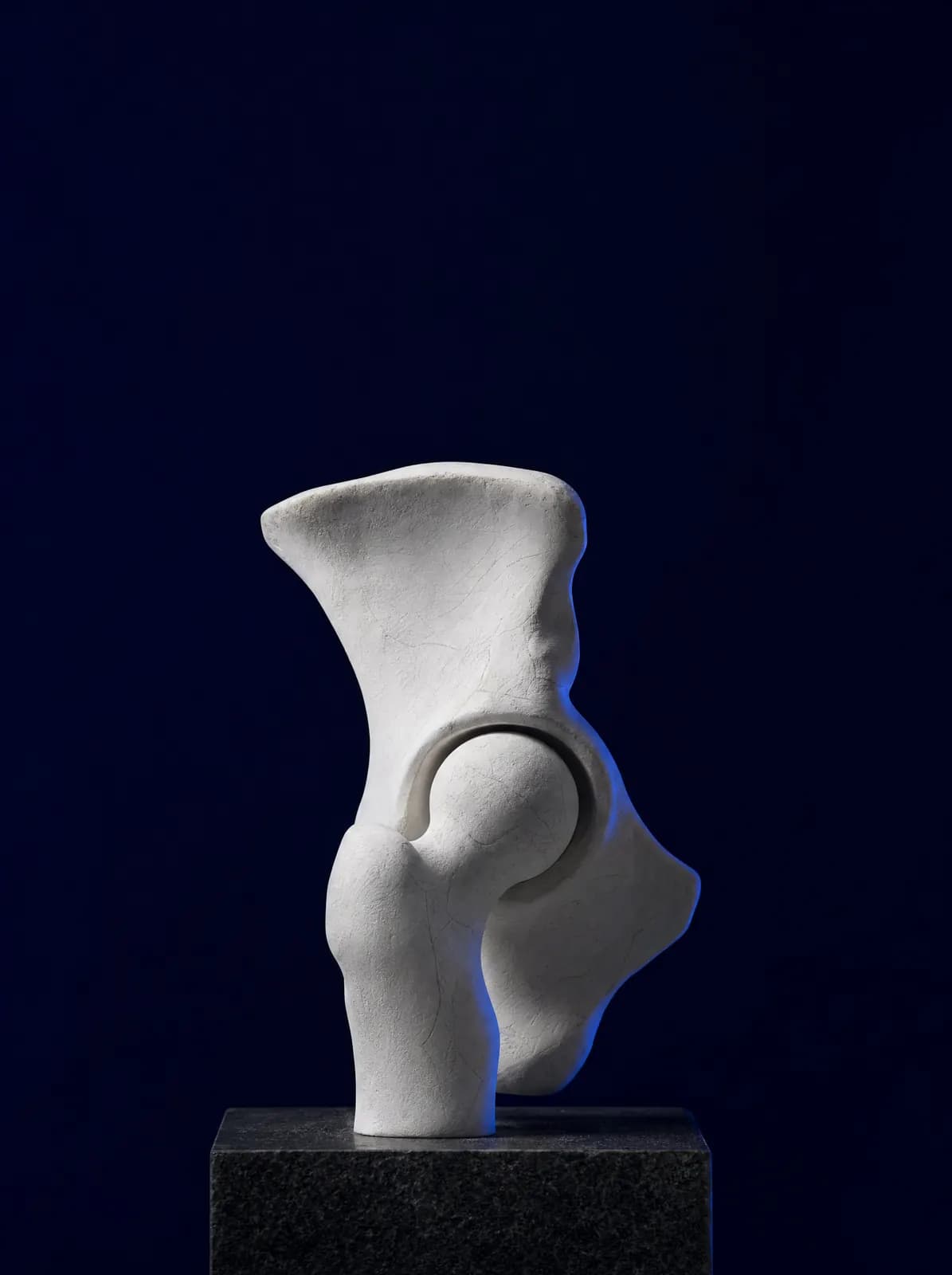
The hip consists of the ball at the upper end of the thighbone (femoral head) and the socket in the pelvis. In Perthes disease, blood flow through the vessels supplying the femoral head temporarily decreases during childhood. The poorly supplied bone weakens and partly collapses; the body then remodels the area and the bone gradually renews itself.
Perthes disease is therefore a process lasting months to years, not a single event. It generally occurs between 4–8 years of age, more often in boys, and usually affects one hip. Its cause is not fully known; it is not the result of a mistake, a fall or a nutritional deficiency.
Perthes is a childhood-specific diagnosis covered on this page. A similar condition in adults has different causes and treatment pathways; see avascular necrosis of the femoral head.
What Are the Symptoms?
Perthes disease usually begins gradually. Families often first notice a change in walking. Common signs include:
- Limping without a clear fall or accident, varying from day to day
- Pain in the groin, thigh and especially the knee; the child may point to the knee rather than the hip
- Pain that increases after playing and running and decreases with rest
- Restricted hip abduction and inward and outward rotation
- Over time, wasting of the thigh muscles on that side and a slight leg length difference
Sudden Inability to Bear Weight with Fever Is Different
If your child suddenly develops fever and cannot put the foot down at all, this may be a condition other than Perthes requiring emergency assessment. Attend the nearest healthcare facility or emergency department without delay.
How Is It Diagnosed?
Diagnosis is based on examination and hip X-rays. Examination assesses hip movement, especially restricted abduction and internal rotation, and observes gait. X-rays are checked for changes in femoral head density, flattening and remodelling.
X-rays may appear normal very early in the disease. MRI may then be requested, or when stage and extent need clarification. X-rays are repeated periodically because in Perthes disease, change over time rather than a single image guides decisions.
A child may limp for many reasons other than Perthes disease, including transient joint inflammation, infection, growth plate problems and hip conditions specific to adolescence. Examination and imaging distinguish these causes, so it is important not simply to wait for it to pass.
What Determines the Stage and Treatment Decision?
Perthes disease passes through four main phases: initial reduced blood supply, fragmentation and weakening, rebuilding as new bone forms, and final healing. This process usually takes 2–4 years.
Three factors guide treatment: the child's age (outcomes are generally more favourable when onset is at a younger age), how much of the femoral head is affected, and whether hip range of movement is maintained. The aim is to keep the femoral head round and within the socket while the bone is soft, so that it fits the socket when healed. This is called the 'containment' principle.
What Are the Treatment Options?
Perthes treatment differs between children: close monitoring and exercises suffice for some, while others may need surgery. A course of treatment cannot speed up the natural process; the aim is to improve the eventual outcome.
Non-surgical Monitoring
During painful periods, the main approach is activity modification, temporarily reducing impact activities such as running and jumping, doctor-recommended painkillers or anti-inflammatory medicines, and exercises to preserve hip movement. Physiotherapy is particularly useful for maintaining outward movement of the leg. In some cases, a cast or orthosis holding the hip in an open position may be used. Pain, range of movement and X-ray findings are monitored together at follow-up.
Surgical Treatment
Surgery is considered when the femoral head begins to move out of the socket, coverage deteriorates, and particularly in children diagnosed at an older age. Corrective bone operations (osteotomies) on the femur and/or pelvis aim to improve coverage of the femoral head within the socket. The decision takes account of the child's age, disease stage and movement restriction; expected benefits and risks are discussed openly with the family during consultation.
Recovery and Long-Term Outcomes
Healing in Perthes disease is slow and requires regular follow-up, usually every few months. Pain, limping, movement and femoral-head shape on X-rays are monitored. Reduced pain does not mean the condition has resolved; follow-up continues until bone remodelling is complete.
Most children complete the process without limitations in daily life. If the femoral head is not fully round after healing, the likelihood of hip pain and early osteoarthritis later may increase, so periodic review throughout growth is recommended. Outcomes depend on stage, age and continuity of follow-up, not a single treatment choice.
What Should Be Considered at School and in Daily Life?
Children with Perthes disease should not remain inactive; the aim is to maintain movement without stressing the joint. Low-impact activities such as swimming and cycling are suitable through much of the course; running, prolonged jumping and contact sports may be restricted according to disease stage. Written guidance for school physical education may be needed and can be discussed at follow-up.
Families often find the length of the process most difficult. Whether restrictions can be eased as pain improves is reassessed at every review. Follow-up intervals for families from Ordu and the surrounding area take travel and school arrangements into account; bringing written questions helps make the consultation productive.
Frequently Asked Questions
It usually starts at ages 4–8, though younger and older children may be affected. It is more common in boys and usually affects one hip.
Initial signs include limping without a clear accident, groin or thigh pain and often pain referred to the knee. Outward hip movement is restricted and activity increases pain.
Bone remodels over time as the condition runs its course. Without monitoring, however, the femoral head may heal into an abnormal shape. Treatment aims to preserve that shape, so regular reviews are needed.
No. Many children are managed with observation, movement exercises and an orthosis when needed. Surgery is considered when the femoral head begins to move out of the socket, especially in children diagnosed at an older age.
Inactivity is not recommended. Low-impact activities such as swimming and cycling are suitable during most phases; running and contact sports may be restricted according to disease stage. The advice is reviewed at each appointment.
You can book by telephone or WhatsApp. Bringing previous hip X-rays or MRI scans helps assessment of disease stage and progression.
References
Appointments and Contact
Call or contact us on WhatsApp to arrange an appointment. Briefly describe your symptoms; we try to schedule your examination and any necessary imaging on the same day.
- Opening hours
- 08:30–18:00Monday – Saturday
The clinic is not a 24/7 emergency department. For a fracture, dislocation, open wound, or inability to bear weight with fever, call 112 or attend the nearest hospital emergency department.