Treatment of Heel Spurs and Plantar Fasciitis
The most common cause of heel pain is strain where the plantar fascia attaches to the heel. The "spur" on X-ray is often a consequence rather than the source of pain. This page explains persistent pain and when different treatments are tried.
Also known as: Plantar fasciitis, Calcaneal spur, Heel spur, Inflammation of the plantar fascia
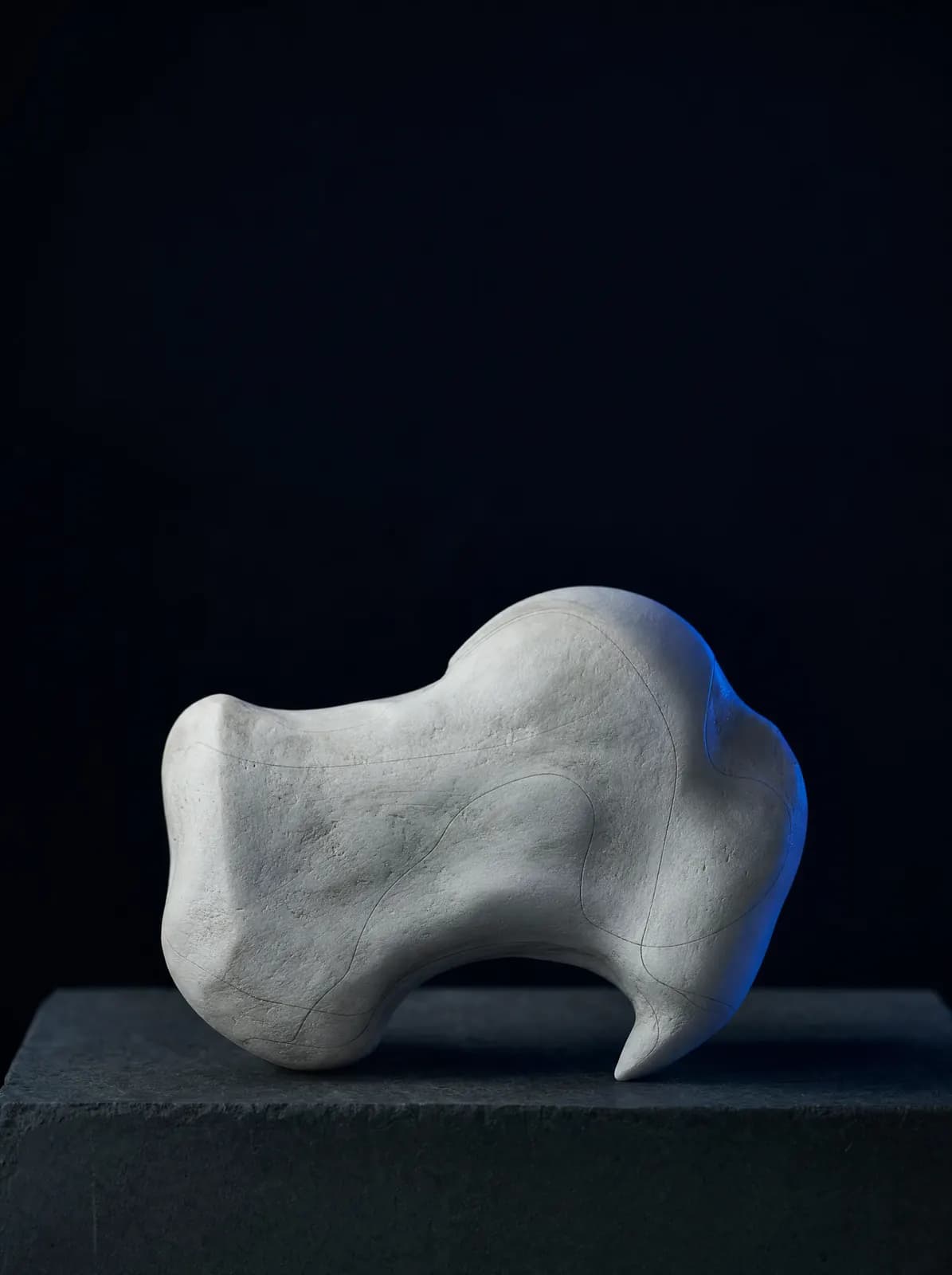
Your Treatment Pathway
Examination
The exact pain site, calf tightness and foot arch are assessed.
Imaging if Required
X-rays to exclude fractures and other causes; ultrasound or MRI for persistent cases.
Basic Programme
Stretching exercises, load management, suitable footwear and insoles.
Additional Treatment
If response is inadequate, night splinting, ESWT or a limited number of injections is considered.
Follow-up and Movement
Walking and running distances increase gradually as pain settles, while exercise continues.
What Are Heel Spurs and Plantar Fasciitis?
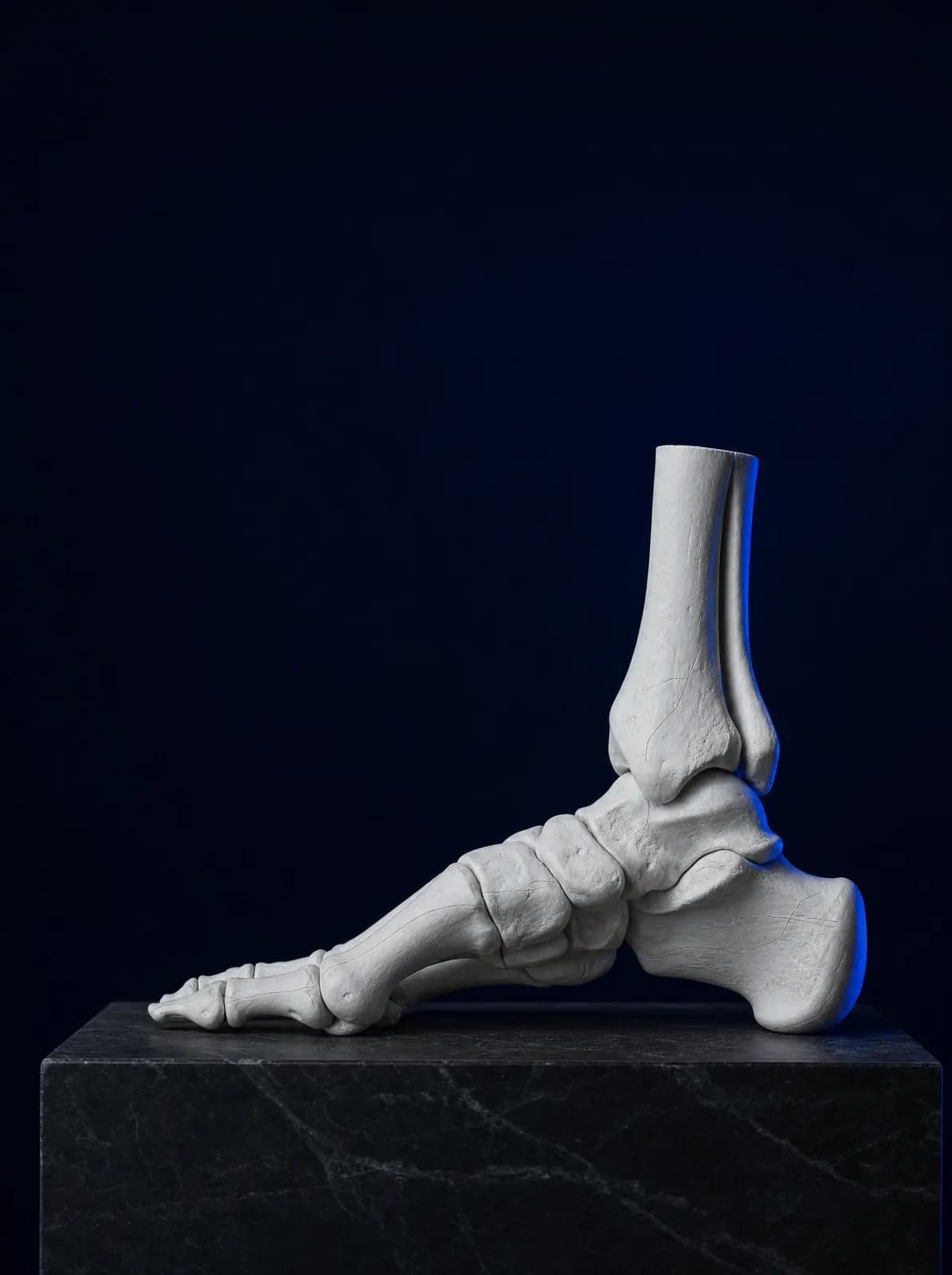
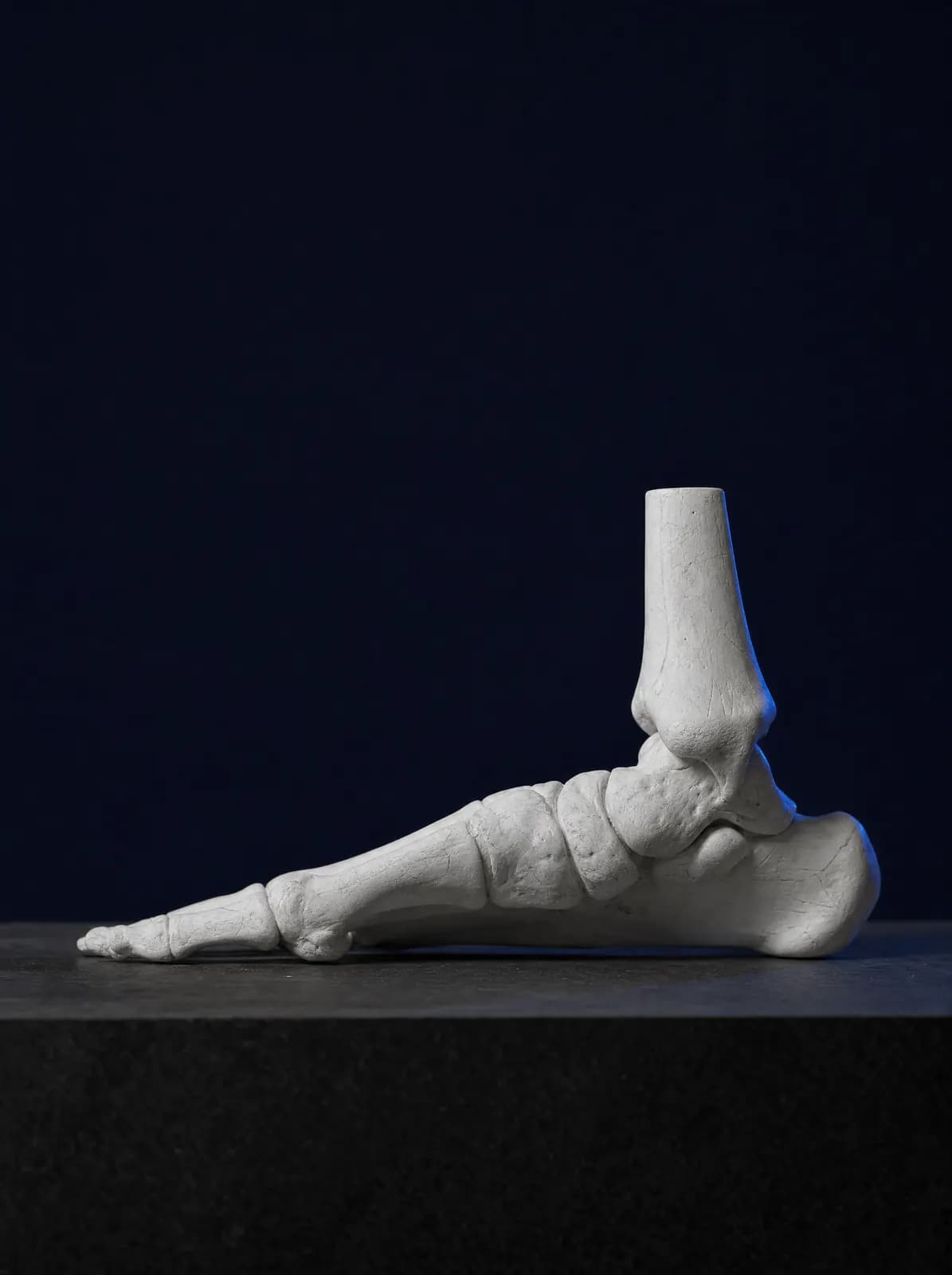
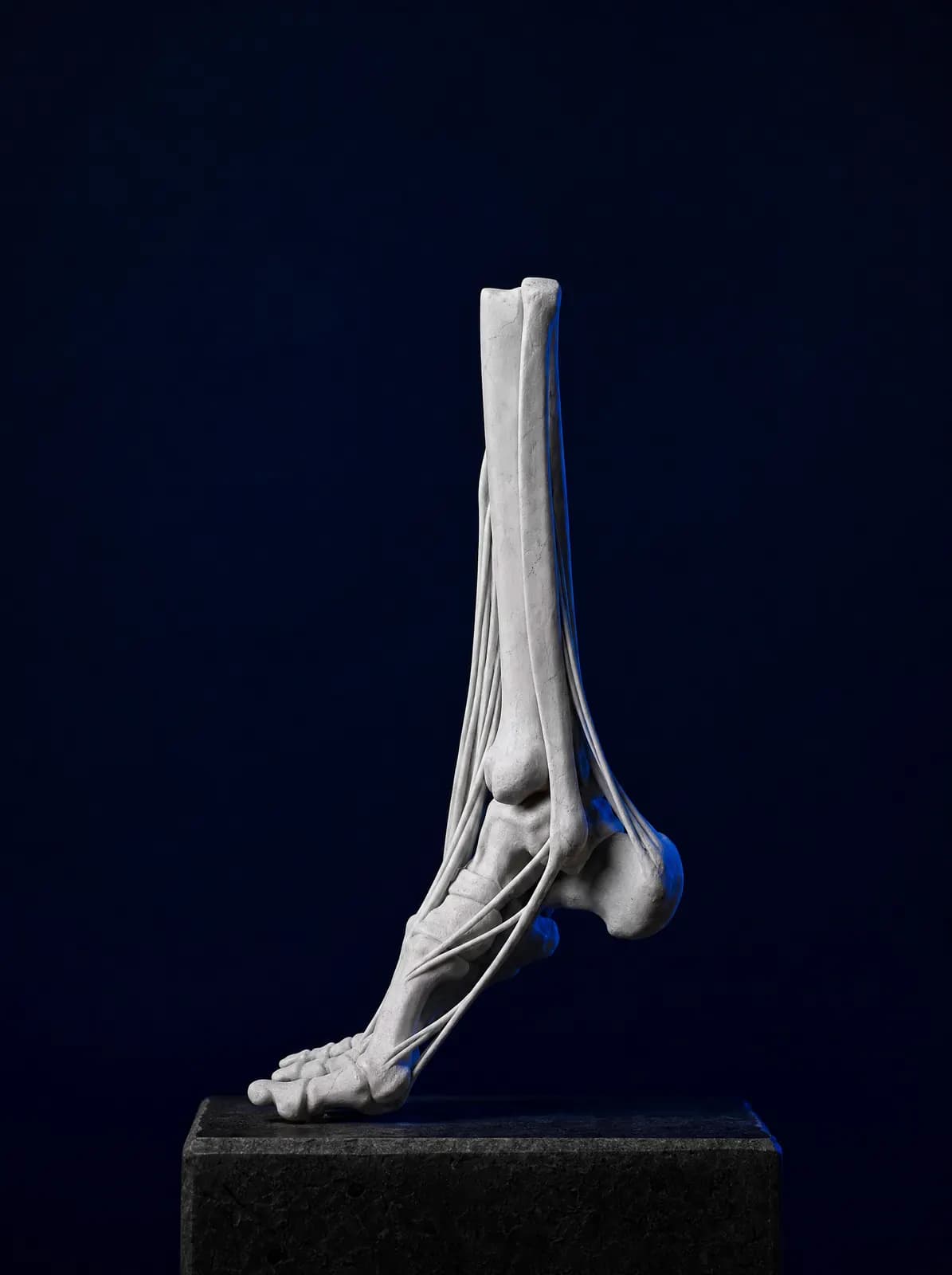
A thick, strong band runs along the sole from the heel bone to the bases of the toes: the plantar fascia. It holds the arch under tension, acting like a bowstring with each step. Repeated strain causes microscopic tears and irritation where it attaches to the heel; this is called plantar fasciitis and is the commonest cause of heel pain.
A heel spur is a pointed bony projection beneath the heel bone visible on an X-ray. It is the bone's response to years of traction and is often a consequence of the process rather than the cause of pain. Many people with heel spurs have no pain, while many with pain have no spur on X-ray. Treatment therefore aims to reduce strain on the fascia rather than 'cut off' the spur.
Major factors increasing strain include excess weight, standing all day on hard surfaces, abruptly increasing running or walking distance, flat or high-arched feet, tight calf muscles and Achilles tendon, and thin-soled unsupportive shoes. In places with many steep streets, such as Ordu, walking uphill and downhill also increases loading on the sole.
What Are the Symptoms?
The history described by patients is very typical and provides much of the diagnosis:
- Sharp, stabbing heel pain with the first steps after getting out of bed in the morning
- Pain easing after a few minutes of walking and increasing again towards the end of the day
- The same pain recurring when standing up after sitting for a long time
- Marked tenderness when pressing the inner underside of the heel
- Difficulty walking barefoot on hard surfaces and climbing stairs
- Calf tightness and difficulty pulling the ankle upwards in the morning
Which Types of Heel Pain Are Not Plantar Fasciitis?
Swelling and pain at the back of the heel where the shoe counter touches may arise from the Achilles tendon region rather than the plantar fascia. Heel numbness, tingling and burning spreading into the sole suggest nerve compression. Morning stiffness lasting more than an hour with swelling in several joints prompts investigation for rheumatic disease. Sudden pain after a particular strain that progressively worsens suggests a stress fracture. These distinctions are made during examination.
How Is It Diagnosed?
Diagnosis is based on history and examination. Tenderness at the inner underside of the heel, increased pain when the toes are pulled upwards and measurement of calf tightness are key findings. X-rays are usually taken to exclude fractures and other bone problems rather than to demonstrate a heel spur.
Ultrasound or MRI may be requested if symptoms persist despite several months of treatment, findings are unusual or the diagnosis is uncertain; these assess fascia thickness, possible tears and bone marrow oedema. Patients often ask which specialty to see for heel pain: initial assessment is by an orthopaedics and traumatology specialist, with the exercise programme coordinated with physiotherapy when needed.
What Are the Non-surgical Treatments?
Most plantar fasciitis improves without surgery, but patience is needed and recovery usually takes weeks to months. The mainstays are stretching, reducing load and appropriate shoes and insoles. Their effect is greatest when combined.
- Stretching: regular calf and Achilles stretches and toe stretches for the plantar fascia, several times daily
- Load modification: temporarily reducing running and long-distance walking, and avoiding barefoot walking on hard surfaces
- Shoes and insoles: heel cushioning and arch support, with custom insoles if needed
- Cold therapy and massage: a cold pack beneath the heel at the end of the day and ball massage of the plantar fascia
- Medication: anti-inflammatory medicines during painful periods, for a limited time on medical advice
- Night splint: holds the foot gently stretched overnight for pronounced first-step pain
- Weight management: directly reduces the load on the sole with each step
When Are Heel Spur Injections and ESWT (Shockwave Therapy) Considered?
Additional methods are discussed if pain persists despite several months of regular exercise and appropriate insoles. ESWT (shockwave therapy) is a non-surgical method delivering sound waves from outside the body; it is used in selected patients with persistent plantar fasciitis, over several sessions, and its effects vary between patients.
The treatment commonly called a 'heel spur injection' is usually a corticosteroid injection. It may reduce pain in the short to medium term; however, frequent repetition can cause unwanted effects such as weakening of the plantar fascia and thinning of the fat pad under the heel, so the number is limited and injections are not given indiscriminately. The effects of regenerative treatments such as PRP in this region are still being researched, and they are not suitable for every patient; the evidence and treatment framework are explained on the regenerative and non-surgical treatments page.
The method depends on symptom duration, examination findings, occupation and accompanying conditions. Evidence and expected duration of benefit are clearly explained at consultation.
Is Surgery Necessary?
Only a small proportion of patients with heel pain are considered for surgery. The usual criterion is pain continuing to restrict daily life despite at least six months–one year of consistent non-surgical treatment. Surgery aims not to remove the spur but to partly reduce tension where the plantar fascia attaches to the heel; some patients also need a procedure for a tight calf muscle.
Every operation has its own recovery process and risks; reduced support of the foot arch is one of them. The decision therefore follows a review of whether non-surgical measures have genuinely been applied consistently.
What Should You Consider in Daily Life?
Moving the ankle up and down several times and stretching the calf before getting out of bed can reduce first-step pain. Cushioned indoor shoes reduce load on the sole compared with bare feet or thin slippers. People who stand for long periods should change the surface they stand on where possible and take short seated breaks during the day.
People who exercise should increase distance and pace gradually rather than abruptly, and replace running shoes when worn. Assessment is needed if symptoms do not improve within a few weeks or are accompanied by heel swelling or redness or foot numbness. You can book by telephone or WhatsApp at AC CLINIC in Altınordu, Ordu, to identify the cause of heel pain and establish a treatment plan.
Frequently Asked Questions
An orthopaedics and traumatology specialist performs the initial assessment of heel pain. Exercises and physiotherapy are coordinated with physical medicine and rehabilitation when necessary; suspected rheumatic disease may require rheumatology input.
Most symptoms improve with non-surgical treatment, but this generally takes weeks to months. Regular stretching and reduced loading substantially influence recovery. Pain can be controlled even if the bony spur remains visible on X-rays.
Injection is considered in selected patients whose pain persists despite regular exercise and appropriate insoles. The number is limited because repeated injections may weaken the plantar fascia. The decision depends on examination and symptom duration.
Insoles cushioning the heel and supporting the arch reduce pain for many patients. They are not a treatment on their own; their value comes from use alongside stretching and load modification. Ready-made or custom insoles are chosen according to foot structure.
Complete inactivity is not recommended. Running and long walking distances are temporarily reduced during painful periods; activities such as cycling and swimming that avoid loading the sole may continue. Distance increases gradually as pain improves.
You can book by telephone or WhatsApp at AC CLINIC in Altınordu. Details of symptom onset, when symptoms worsen during the day and your footwear help the assessment.
References
Appointments and Contact
Call or contact us on WhatsApp to arrange an appointment. Briefly describe your symptoms; we try to schedule your examination and any necessary imaging on the same day.
- Opening hours
- 08:30–18:00Monday – Saturday
The clinic is not a 24/7 emergency department. For a fracture, dislocation, open wound, or inability to bear weight with fever, call 112 or attend the nearest hospital emergency department.