Treatment of Shoulder Impingement Syndrome
Shoulder impingement compresses tendons between the bony roof and humeral head when the arm rises. It causes sharp pain at a particular angle; treatment centres on exercise to improve shoulder mechanics.
Also known as: Subacromial impingement syndrome, Impingement syndrome, Shoulder impingement
Your Treatment Pathway
Examination
Impingement is assessed through painful-arc, shoulder-blade movement and muscle-strength tests.
Imaging
X-rays assess the bone structure; MRI or ultrasound is requested if a tear is suspected.
Plan
An exercise-based non-surgical programme, adding medicines and injections when needed.
Administration
Arthroscopic decompression and tendon repair, if required, in cases that do not respond.
Movement
Aim: lifting the arm without pain and reducing recurrence through continued exercise.
What Is Shoulder Impingement Syndrome?
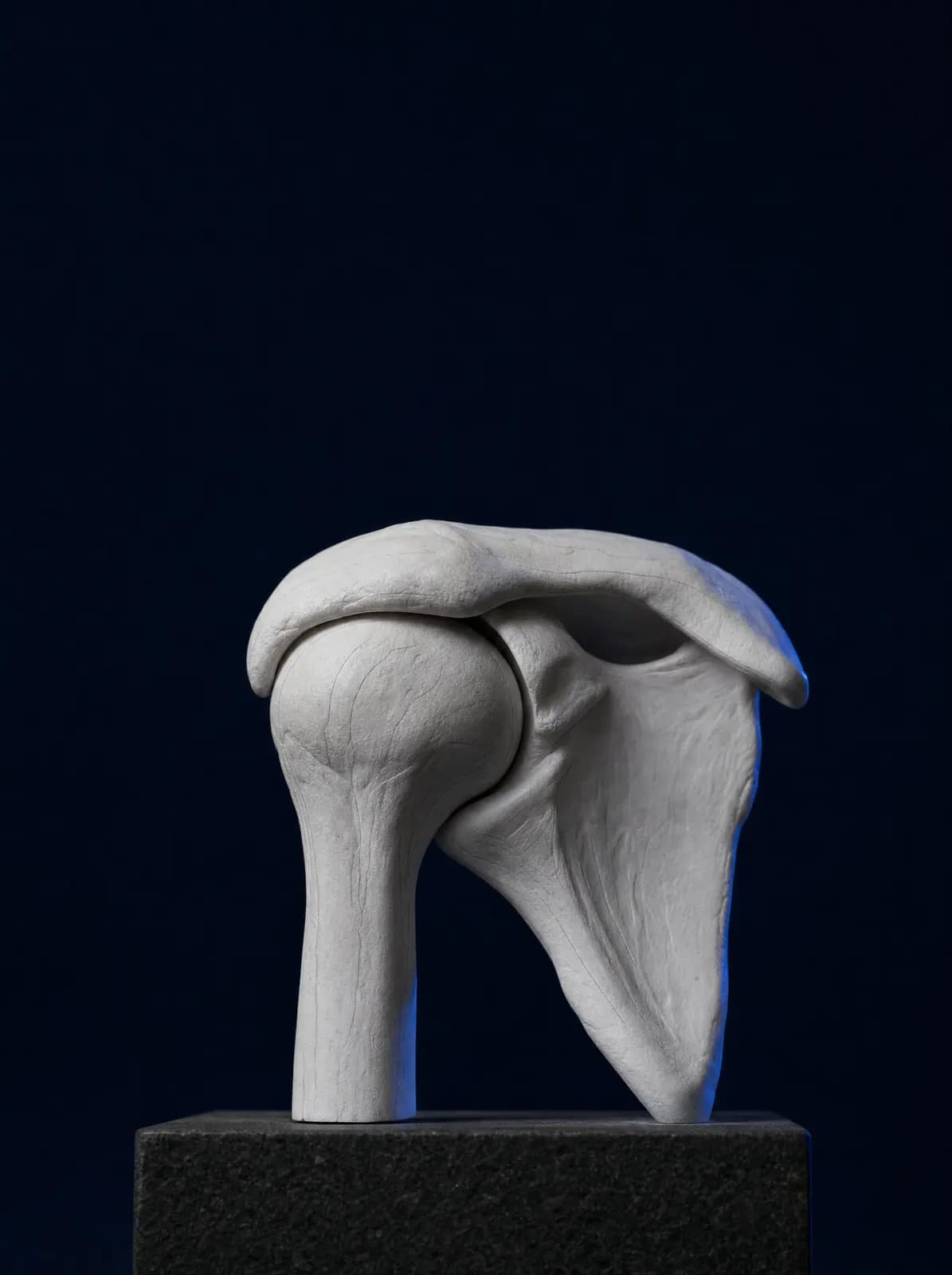
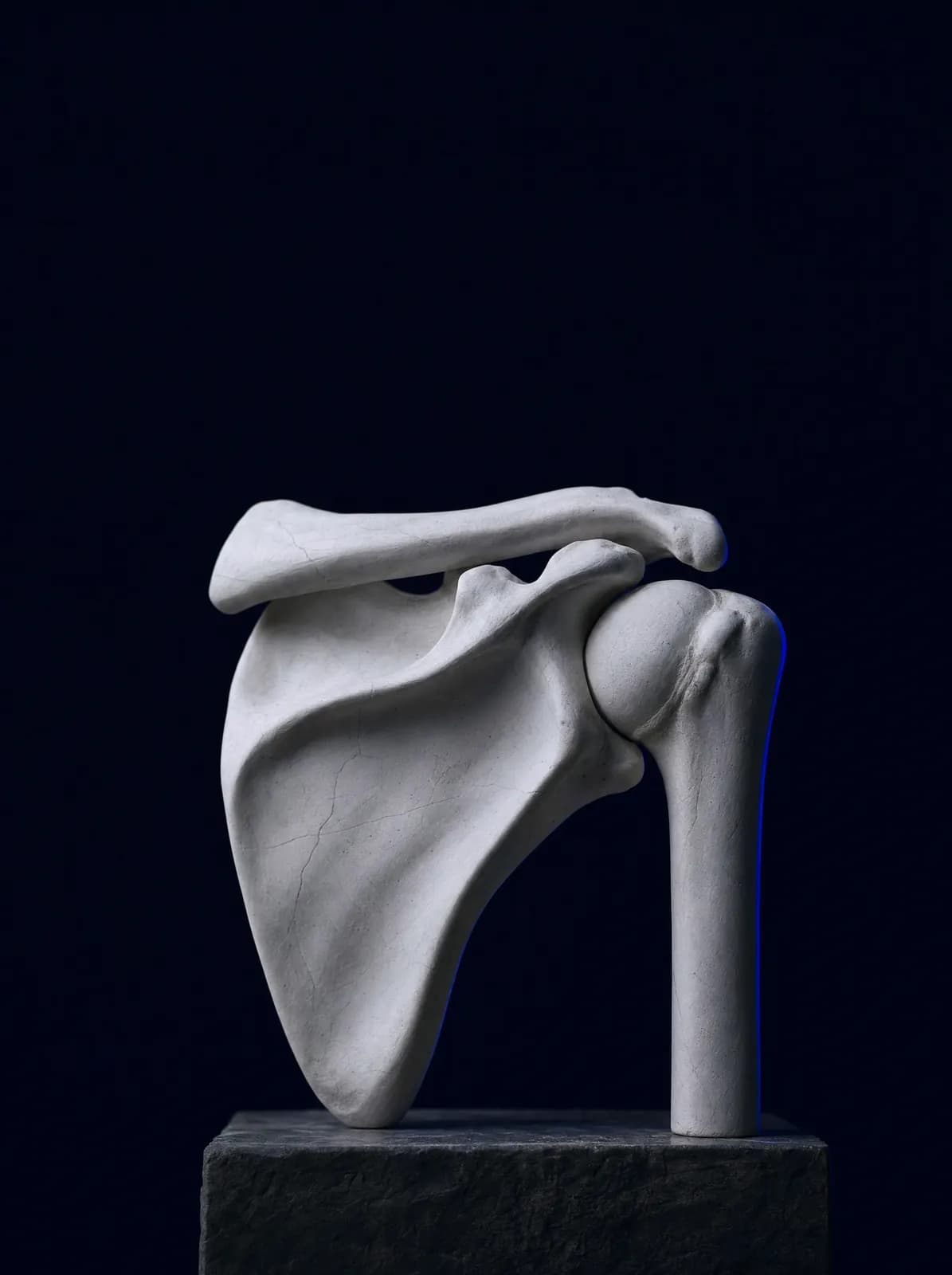
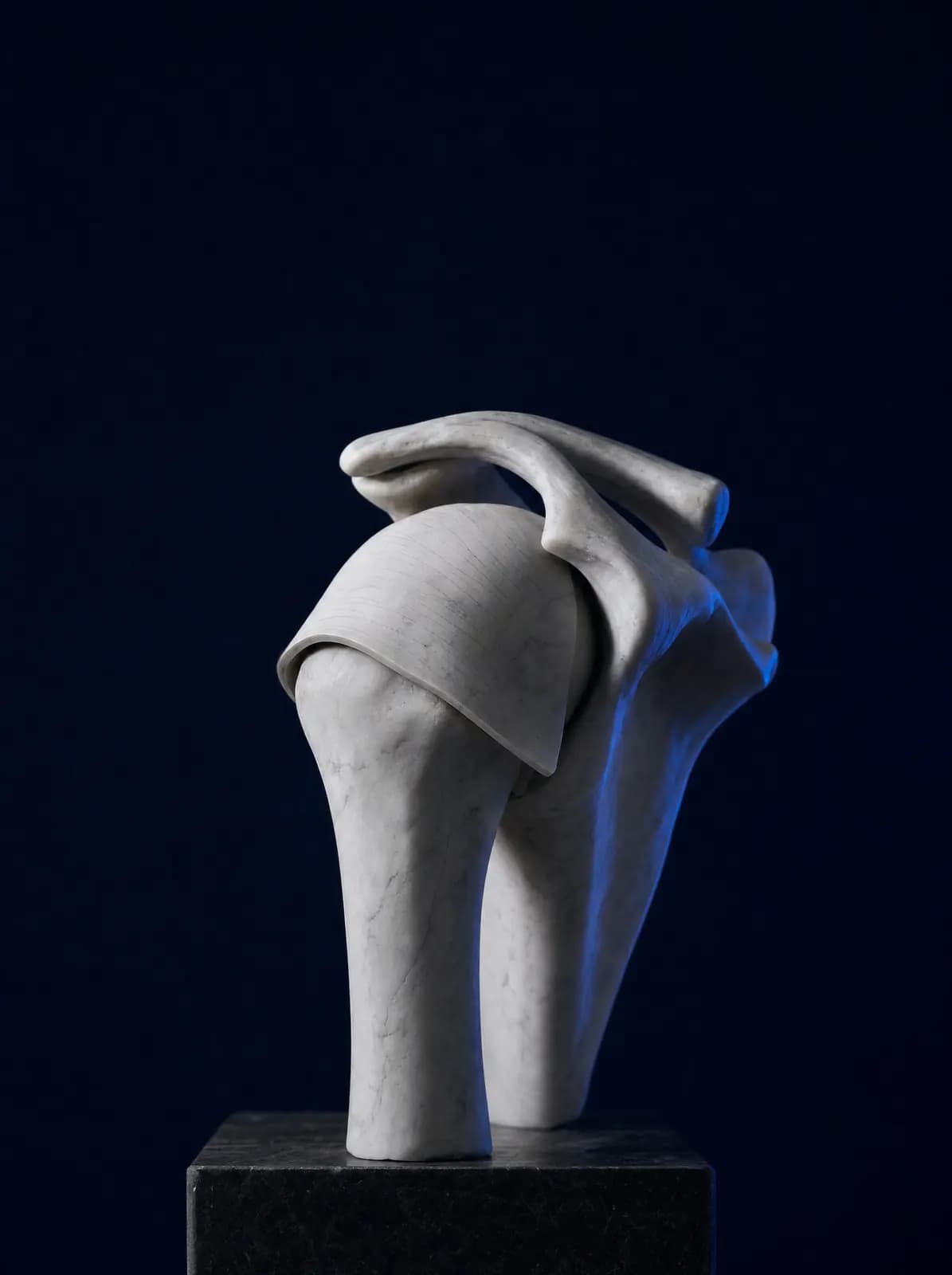
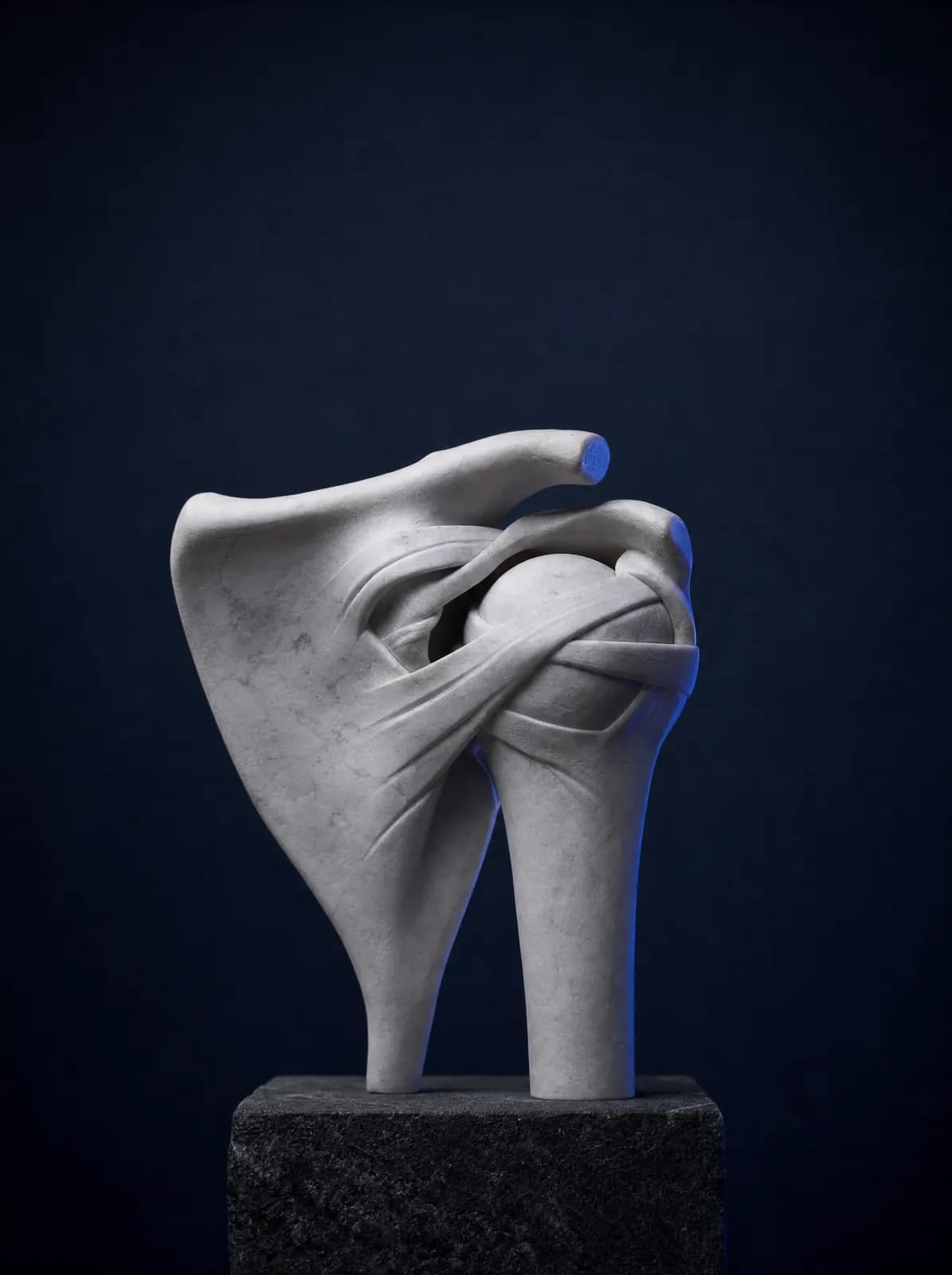
When you lift your arm sideways, tendons pass through the narrow space between the head of the upper arm bone and the roof-like projection of the shoulder blade (acromion). A cushion providing lubrication, the subacromial bursa, also lies here. If the space narrows or the tendons thicken, the tissues become compressed and irritated each time the arm is raised. This is called shoulder impingement syndrome (subacromial impingement).
An important distinction: this is joint impingement, not nerve compression. There is no pressure on a nerve as in carpal tunnel syndrome or a cervical disc problem; hand numbness, tingling and electric sensations radiating into the fingers are therefore not typical features. Such symptoms require separate investigation of neck- and nerve-related causes.
Main predisposing factors include a hooked front edge of the acromion, bony spurs developing beneath it, inflammation of the bursa (bursitis), impaired shoulder-blade movement control and repetitive overhead work. It is more common in painters, mechanics and carpenters, and in sports such as volleyball, swimming and tennis.
What Are the Symptoms?
The most typical symptom is sharp pain when lifting the arm sideways through approximately 60–120 degrees, easing as the arm rises further. Patients often describe 'a stabbing pain at a particular point that then passes'.
- Pain increasing at a particular angle when raising the arm forwards or sideways
- Pain felt on the outer shoulder, radiating towards the middle of the upper arm
- Symptoms increase during overhead work, hanging laundry or reaching a high shelf
- Night pain and inability to lie on that side as tendon irritation progresses
- Catching and a grinding sound during movement
- Avoiding use of the arm because of pain, with the shoulder becoming stiff over time
How Is It Diagnosed?
Diagnosis is largely clinical. Assessment includes the angles at which the arm hurts, shoulder blade movement, shoulder muscle strength and neck movement. Specific tests are used to reproduce impingement. When neither the patient nor the doctor can lift the arm, frozen shoulder is considered; when weakness is pronounced, a rotator cuff tear is distinguished.
X-rays show acromial shape, bony spurs and any calcium deposits within a tendon. MRI or ultrasound is requested for suspected tendon tears or marked bursitis. Impingement and tendon degeneration often coexist; prolonged irritation may accompany tendon deterioration.
Non-Surgical Treatments
Shoulder impingement is treated without surgery in most patients, with exercise at the centre of the plan. The aim is to improve shoulder blade rotation as the arm rises and strengthen the muscles that draw the shoulder down, relieving the narrow space. This requires regular work over weeks; a few days of exercise are not enough.
- Temporarily reducing painful overhead movements and lowering the working height
- A gradual exercise programme for shoulder blade control and the posterior and lower shoulder muscles
- Stretching exercises, particularly for the posterior shoulder capsule
- Painkillers and anti-inflammatory medicines; cold application
- A limited number of subacromial cortisone injections for cases that do not respond
- Physiotherapy and correction of work or sports technique when needed
Injections and Regenerative Treatments
A corticosteroid injection may reduce pain quickly, but its effect may be temporary and the number of injections is limited because frequent repetition can adversely affect tendon tissue. The effectiveness of regenerative treatments such as PRP for this condition is still being investigated, and they are not suitable for every patient. Evidence and treatment requirements are explained on the regenerative and non-surgical treatments page. An injection is planned alongside an exercise programme, not as a replacement for it.
When Is Surgery Needed?
Surgery is discussed if pain persists despite three to six months of consistent exercise and medication, disrupts sleep and prevents work. The decision may be made earlier if imaging shows a prominent bone spur, progressive tendon damage or an associated tear.
Surgery is usually arthroscopic (keyhole): the inflamed bursa is cleared under camera guidance, and a bony prominence beneath the acromion is shaved to widen the space (subacromial decompression). A tendon tear found during the same procedure may also be repaired. Afterwards, the arm is kept in a sling briefly and movement exercises begin early; time to return to work depends on occupation.
Recent comparative studies suggest that decompression may not offer a clear advantage over regular exercise in patients with impingement alone. Surgery is therefore discussed when an exercise programme has genuinely been followed without adequate benefit.
Surgery does not replace exercise: symptoms may recur if shoulder-blade control and strengthening are not maintained after the operation.
What Should You Consider in Daily Life?
Changing daily habits makes a major difference in impingement. Using a step or platform for overhead tasks, carrying heavy loads close to the body, avoiding prolonged carrying on one shoulder and improving shoulder and shoulder-blade posture at the computer can reduce symptoms.
For athletes, warming up, increasing load gradually and correcting technique help prevent recurrence. Stopping exercise completely once pain settles is a common reason for recurrence; the programme continues for at least several months. At AC CLINIC in Altınordu, Ordu, exercises are adapted to your occupation and sport, and progress is reviewed together at follow-up.
Frequently Asked Questions
Most patients experience substantial improvement with regular exercise, load modification and medication when needed. Although timing varies, the programme must continue for weeks; a few days' rest does not provide a lasting result.
No. The tendon and bursa are impinged, not a nerve. Hand numbness, tingling or electric sensations into the fingers require separate investigation of neck and nerve causes.
Persistent irritation may increase tendon degeneration and make a tear more likely over time. Assessment is therefore recommended if symptoms last more than a few weeks; see the rotator cuff tear page for details.
An injection may help patients whose pain persists despite exercise continue their programme. Frequent repetition is not recommended, and it is not a standalone treatment. Suitability is decided at examination considering accompanying illnesses and tendon condition.
Desk work may resume within a few weeks; overhead work and heavy lifting take longer, depending on any accompanying tendon repair. The precise timing is decided during postoperative reviews.
You can book by telephone or WhatsApp at AC CLINIC in Altınordu. Bring any previous shoulder X-ray, ultrasound or MRI images.
References
Appointments and Contact
Call or contact us on WhatsApp to arrange an appointment. Briefly describe your symptoms; we try to schedule your examination and any necessary imaging on the same day.
- Opening hours
- 08:30–18:00Monday – Saturday
The clinic is not a 24/7 emergency department. For a fracture, dislocation, open wound, or inability to bear weight with fever, call 112 or attend the nearest hospital emergency department.