Rotator Cuff Tear Treatment
The rotator cuff comprises four tendons that lift the arm and stabilise the shoulder. Tears cause night pain and weakness; treatment is planned non-surgically or with arthroscopic repair according to tear size, age and daily limitations.
Also known as: Rotator cuff tear, Shoulder muscle tear, Shoulder tendon tear, Supraspinatus tear
Your Treatment Pathway
Examination
Active and passive movement, muscle strength and the pattern of night pain are assessed.
Imaging
X-rays assess bone structure; MRI or ultrasound examines tendons when needed.
Plan
Non-surgical or surgical care is selected according to tear type, age, occupation and expectations.
Administration
Exercise and medication or arthroscopic repair, followed by gradual rehabilitation.
Movement
Goal: controlling night pain and restoring the arm's use in daily tasks.
What Is a Rotator Cuff Tear?
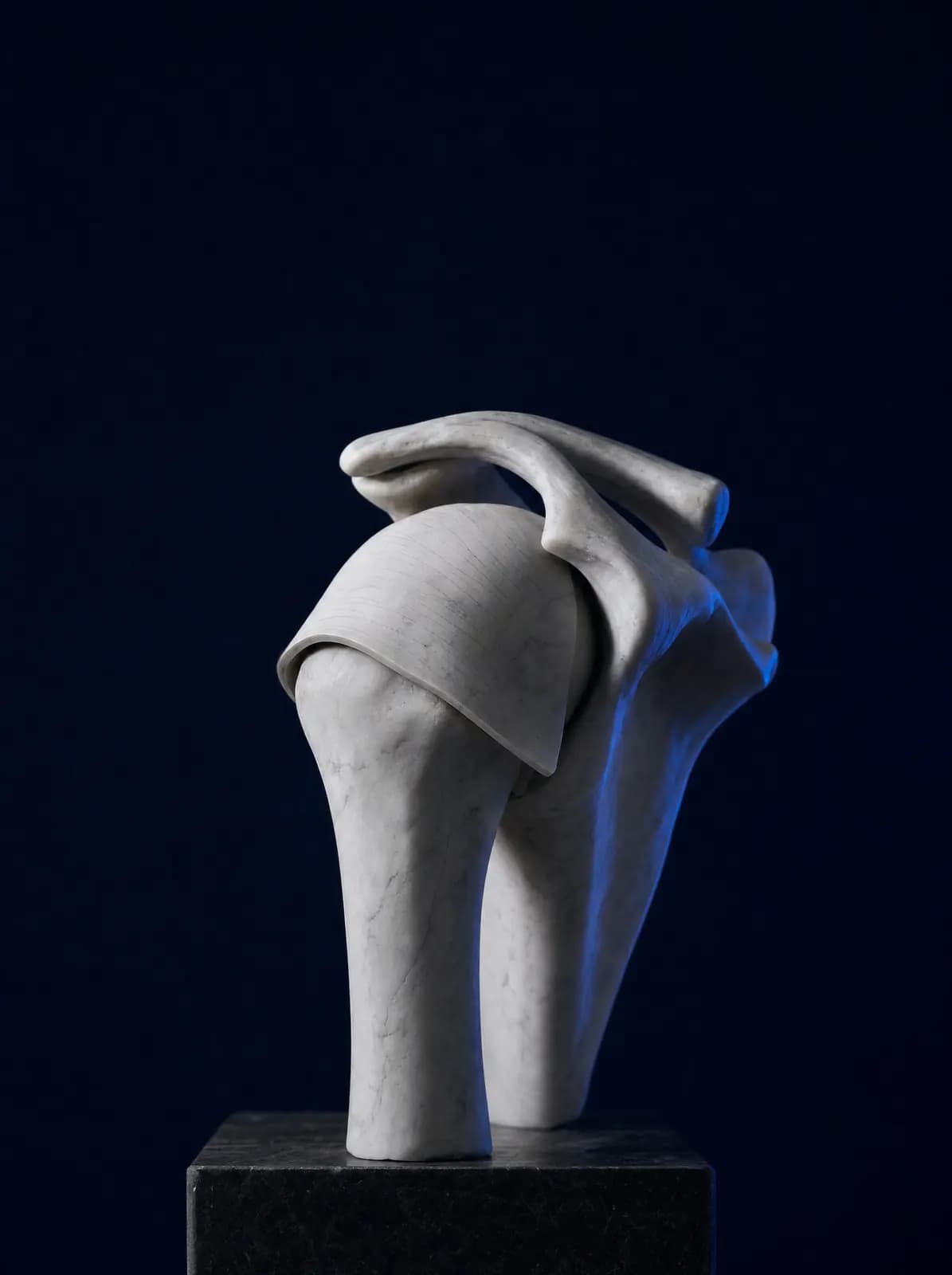
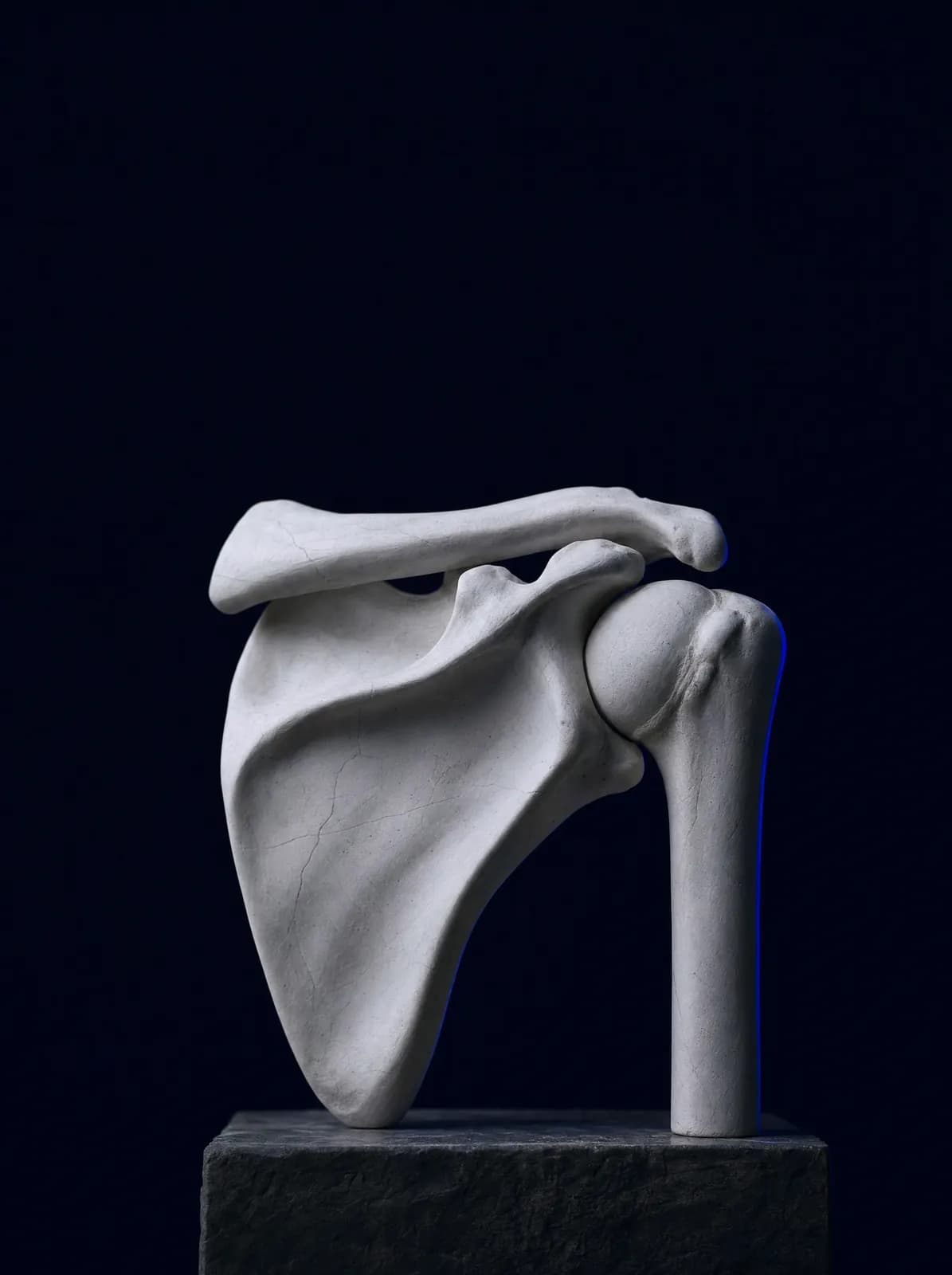
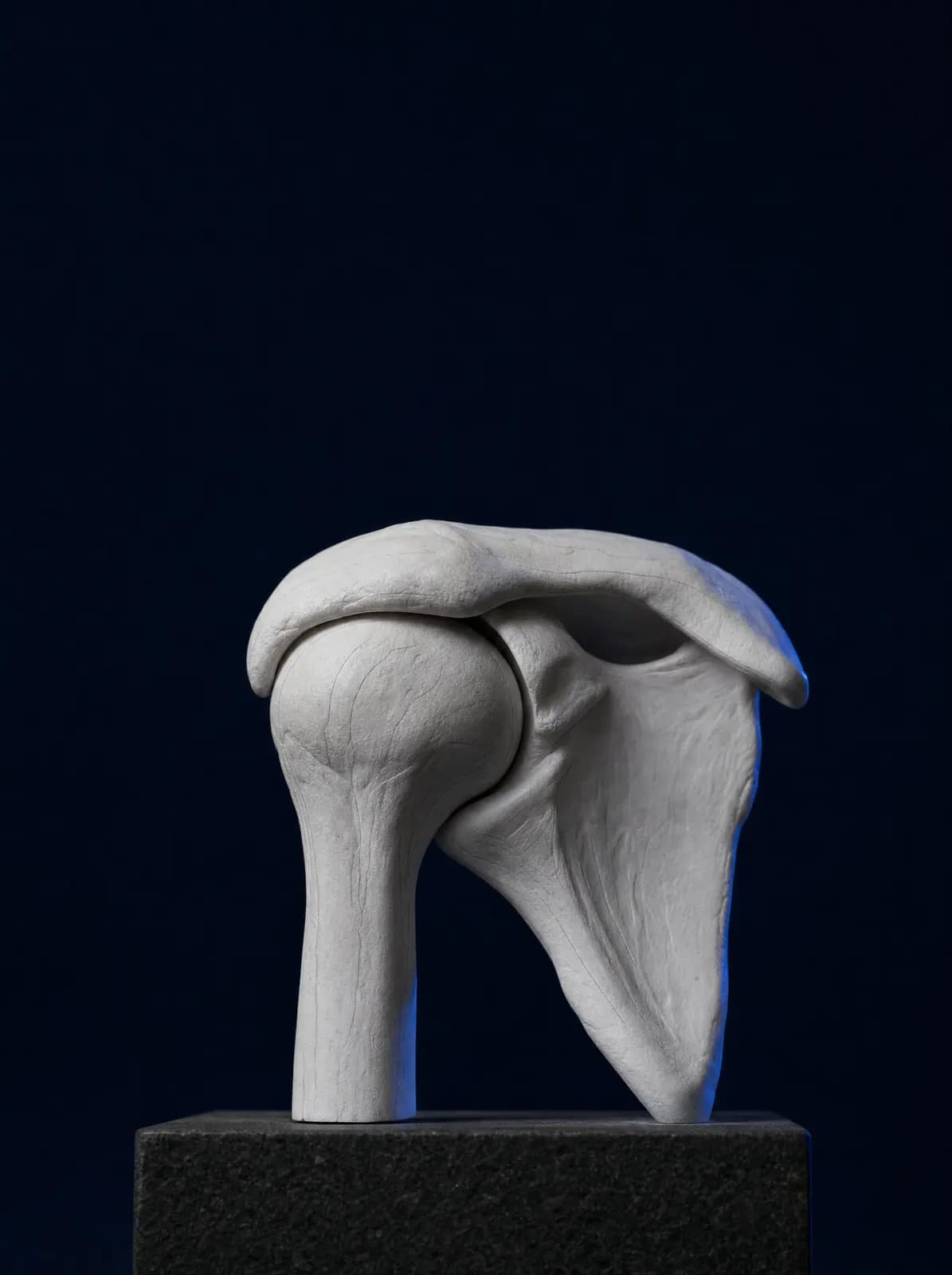
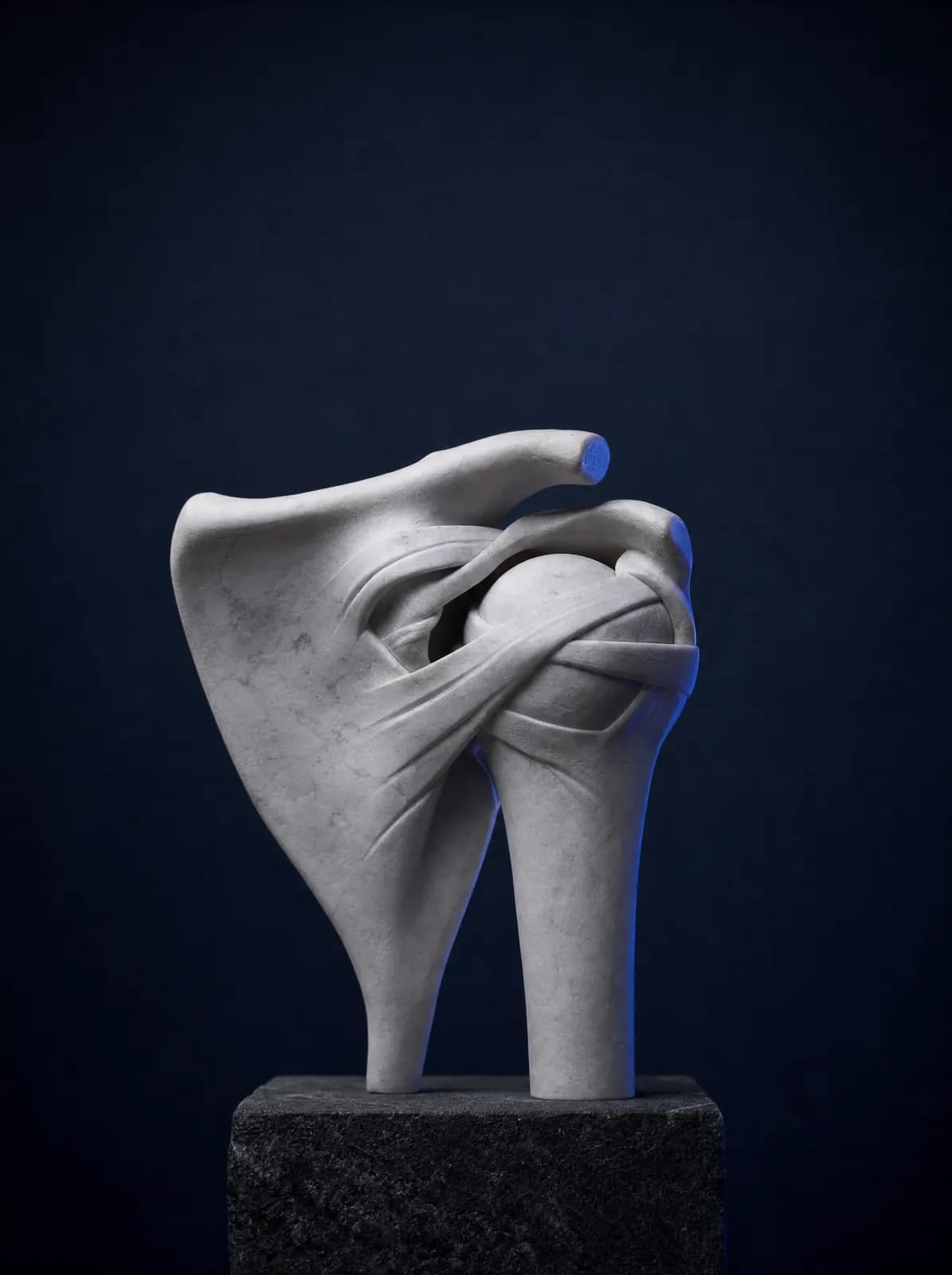
In the shoulder, the humeral head sits in a shallow socket in the shoulder blade. The tendons of four muscles that lift and rotate the arm surround the bone like a cuff; this is the rotator cuff. Of the four tendons, the supraspinatus, which initiates lifting the arm sideways, tears most often.
Tears develop in two ways. The first is a degenerative tear: over the years, the tendon thins, its blood supply diminishes and its fibres eventually separate. This is generally more common after 50, in people working overhead and in smokers. The second is a traumatic tear, caused by a single event such as a fall, suddenly lifting a weight or the arm being forced backwards; it can occur in younger patients and after a shoulder dislocation.
Tears are classified as full-thickness or partial-thickness, depending on whether they involve all or part of the tendon. Size, retraction and whether fatty muscle degeneration has developed also determine treatment. Some partial tears are managed without surgery, whereas large, retracted full-thickness tears follow a different pathway.
What Are the Symptoms?
Night pain is the most characteristic symptom of a rotator cuff tear. Patients often say, "I cannot lie on my shoulder". Pain is felt on the outer shoulder and may extend to the middle of the arm; numbness spreading from the neck or into the hand is not typical.
- Pain that worsens at night and interrupts sleep when lying on the shoulder
- Pain and weakness when raising the arm forwards or sideways, with difficulty keeping it raised
- Difficulty combing hair, scratching the back or reaching a back pocket
- Fatigue even when carrying light objects such as a glass or bag
- Catching and crackling sounds during shoulder movement
- Sharp pain and inability to lift the arm after sudden strain (traumatic tear)
How Is It Diagnosed?
Diagnosis begins with examination. Active movement, performed by the patient, and passive movement, performed by the doctor, are measured separately: with a tear, the patient struggles to raise the arm but the doctor can usually move it. This distinguishes it from frozen shoulder, where both are restricted. Strength tests help identify the affected tendon.
X-rays do not show the tendon, but are requested for indirect findings such as bony spurs, calcium deposits, narrowing of the joint space and upward migration of the humeral head. MRI, or ultrasound in experienced hands, shows tendon condition. Imaging alone does not determine treatment: asymptomatic tears are common after 60, so findings are interpreted alongside symptoms and examination.
Non-Surgical Treatments
Many partial, small and non-traumatic degenerative tears are initially treated without surgery. The aim is to reduce pain and help the remaining tendons and shoulder-blade muscles support the shoulder more effectively.
- Temporarily reducing painful overhead movements: load modification rather than complete rest
- Gradual exercises guided by a doctor or physiotherapist: range of movement first, then strengthening
- Painkillers and anti-inflammatory medicines, taking stomach, kidney and heart conditions into account
- Physiotherapy and, when necessary, a corticosteroid injection around the joint
- Sleep adjustments: support the arm with a pillow and avoid lying on the painful shoulder
The Role of PRP and Other Injections
Regenerative procedures such as PRP may be considered for partial tears and tendon degeneration. Their effect on tendon healing remains under investigation; they are not suitable for every patient or every type of tear. Cortisone injections may reduce pain rapidly, but their number is limited because frequent repetition can adversely affect tendon tissue. Evidence levels and conditions of use are compared on the regenerative and non-surgical treatments page.
When Is Surgery Needed?
The decision to operate is based on several factors together, rather than one criterion: night pain continuing despite three to six months of consistent non-surgical treatment, marked weakness, a full-thickness retracted tear, an acute traumatic tear in a younger patient, and inability to use the arm for daily tasks. Traumatic full-thickness tears should be assessed promptly because, over time, tendon retraction and fatty muscle degeneration can reduce the chances of repair.
Repair is usually arthroscopic: a camera and fine instruments are introduced through small incisions, and the torn tendon is secured to its attachment on the bone using special anchors. A bony spur causing impingement may be trimmed and biceps tendon or other intra-articular problems addressed during the same procedure. For very large tears that have retracted beyond repair, tendon transfer may be discussed; in older patients with accompanying osteoarthritis, joint replacement may be an option.
For general information about keyhole shoulder surgery, see sports injuries and arthroscopy. Surgical decisions consider age, occupation, smoking, diabetes and expectations together.
Postoperative Recovery and Rehabilitation
The repaired tendon needs time to attach to bone, so rehabilitation is gradual and requires patience. Broadly, the first weeks involve a sling and doctor-approved passive movements; active movement starts around the sixth week, followed by progressive strengthening from the third month. Returning to heavy lifting and overhead sport often takes four–six months.
These times vary with tear size, tendon quality and general health; your doctor tailors the programme to you. Trying to force the shoulder to move early can jeopardise the repair, while stopping exercise later can cause stiffness. Diabetes, smoking and inconsistent exercise are among the main factors that hinder recovery.
What Should You Consider in Daily Life?
During painful periods, avoid overhead reaching, carrying heavy bags and sudden awkward arm movements. However, complete immobilisation is also inappropriate because the shoulder soon stiffens. Supporting the painful side and arm with pillows during sleep may reduce night pain.
For occupations involving overhead work, such as painters, mechanics, carpenters and warehouse workers, lowering the working height, taking breaks and alternating arms help prevent recurrence. For athletes, warm-up, strengthening around the shoulder blade and technique correction are part of the programme. At AC CLINIC in Altınordu, Ordu, exercises are adapted to your occupation and sporting habits.
Frequently Asked Questions
A torn tendon does not join itself back together. However, pain from small or partial tears may decrease substantially with exercise and load modification, allowing comfortable arm use. Regular follow-up is recommended because the tear itself has not closed.
Some tears enlarge over time while others remain unchanged for long periods. Increasing pain, weakness and inability to raise the arm may indicate enlargement, so patients managed without surgery have periodic reviews.
A sling is used during the first weeks, with only movements allowed by the doctor. Simple tasks such as eating may resume early; heavy lifting and overhead work are usually discussed after four to six months. Timing varies with tear size.
No. With a tear, the patient struggles to lift the arm but the doctor can move it; in frozen shoulder, both active and passive movement are restricted. Both conditions can coexist. See frozen shoulder for details.
Assessment begins with examination and X-rays; MRI is requested if a tendon tear is suspected or surgery planned. Ultrasound may also be suitable. Not every tear seen on imaging requires surgery.
You can book by telephone or WhatsApp at AC CLINIC in Altınordu. Bring previous X-ray, ultrasound and MRI images, if available, to help assessment.
References
Appointments and Contact
Call or contact us on WhatsApp to arrange an appointment. Briefly describe your symptoms; we try to schedule your examination and any necessary imaging on the same day.
- Opening hours
- 08:30–18:00Monday – Saturday
The clinic is not a 24/7 emergency department. For a fracture, dislocation, open wound, or inability to bear weight with fever, call 112 or attend the nearest hospital emergency department.