Frozen Shoulder Treatment
Frozen shoulder causes pain and stiffness as the joint capsule thickens and contracts. Symptoms change in stages over months; treatment centres on pain control and regular stretching to restore movement.
Also known as: Frozen shoulder, Adhesive capsulitis, Restricted shoulder joint movement

Your Treatment Pathway
Examination
Active and passive ranges of movement are measured to determine the type of restriction.
Assessment
X-rays exclude other causes; diabetes and thyroid disease are considered.
Plan
Pain control and a gradual stretching programme are planned according to the stage.
Administration
Exercise and injections when needed; capsular release for unresponsive cases.
Movement
Aim: to restore range of movement and maintain it through exercise.
What Is Frozen Shoulder?
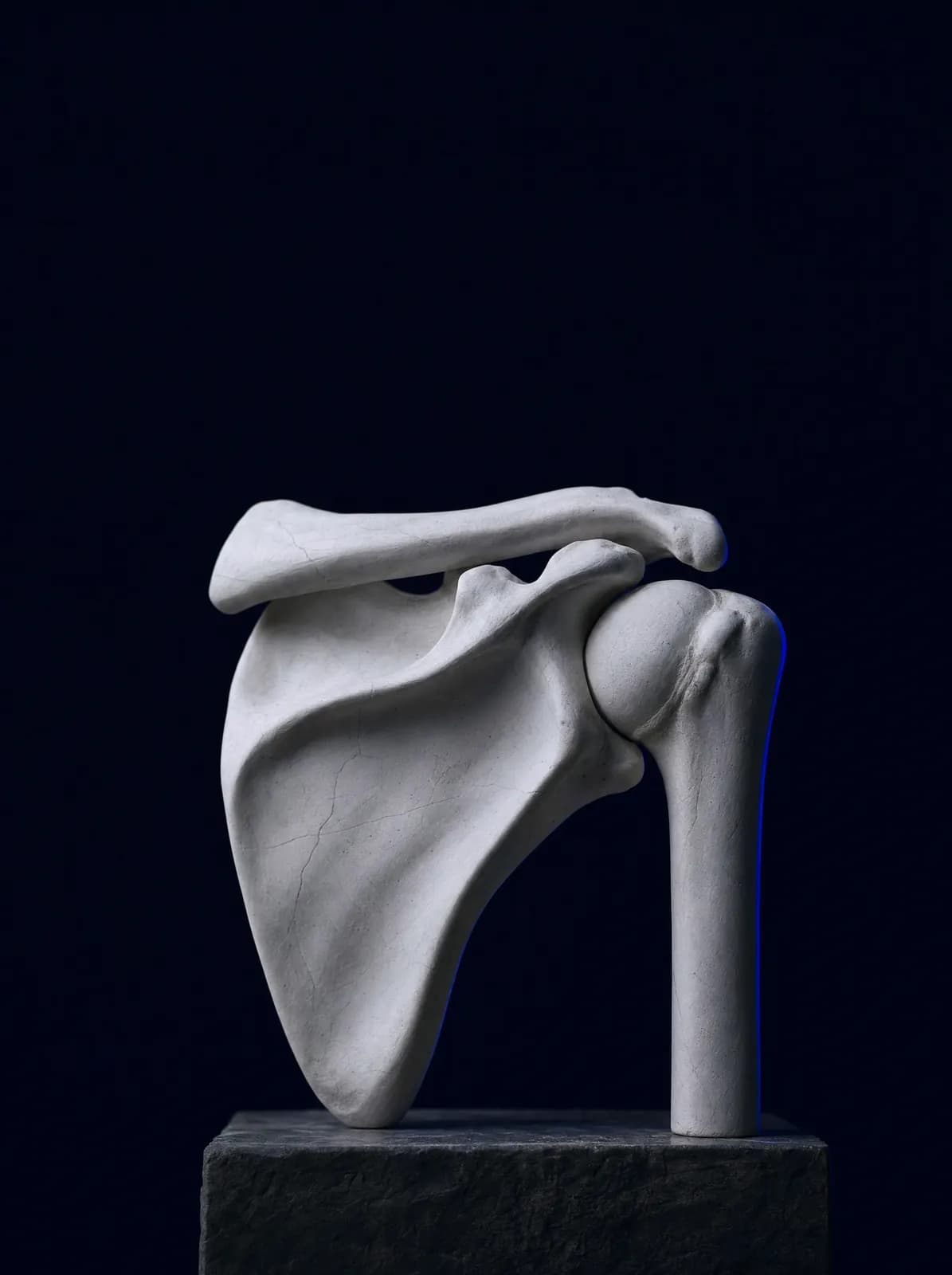
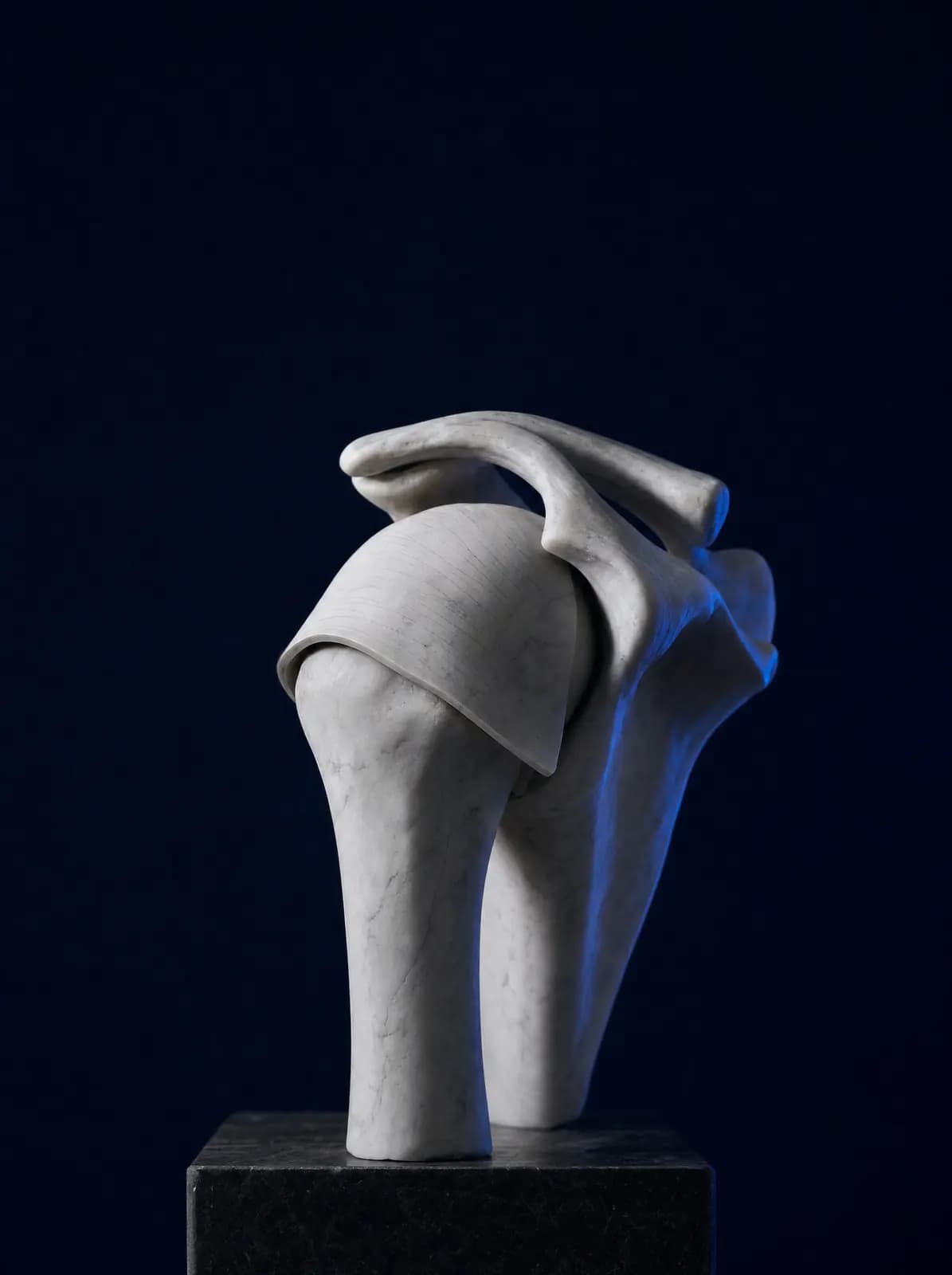
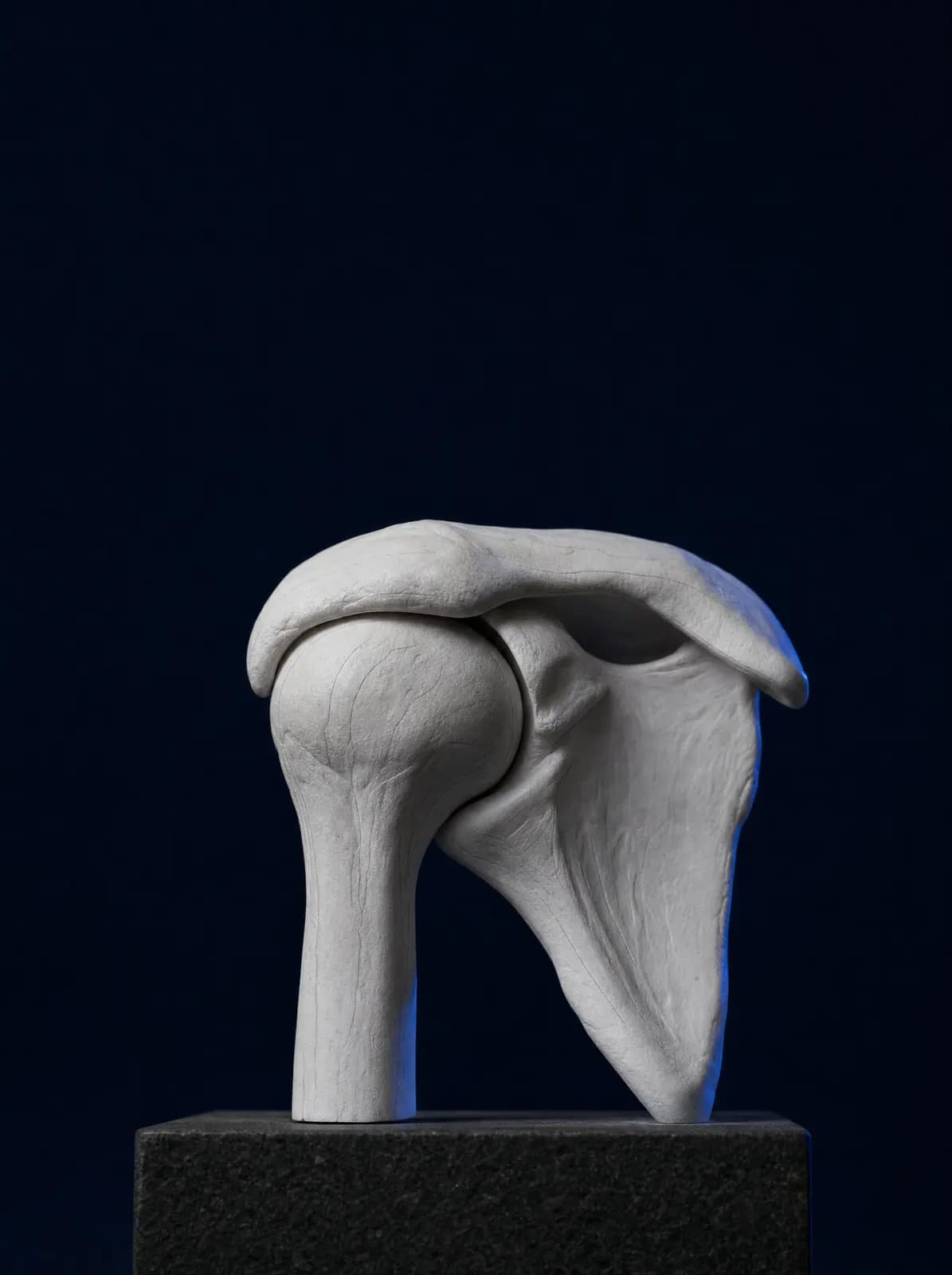
The connective tissue surrounding the shoulder joint like a bag is the joint capsule. In frozen shoulder, medically called adhesive capsulitis, the capsule thickens, loses flexibility and contracts as if adhering to the humeral head. This causes both pain and marked restriction of movement. As the space inside the joint narrows, the arm cannot move beyond a certain point, however hard the person tries.
Frozen shoulder occurs in two forms. In the primary (unknown-cause) form, there is no clear trigger; it is most common between 40–60 years of age and in women. The secondary form has an underlying factor: diabetes, thyroid disease, the period after shoulder or breast surgery, prolonged use of an arm sling after a fracture, or immobility after a stroke. It is both more common and potentially more persistent in people with diabetes.
Although people may describe "shoulder calcification" or "tight muscles", frozen shoulder affects the capsule rather than cartilage or muscle. This changes treatment: restoring movement is the priority.
What Are the Symptoms and Stages?
Frozen shoulder generally progresses through three stages, with different predominant symptoms. Stage duration varies between people; the overall process usually lasts months.
- Freezing (painful) stage: pain predominates and worsens at night; movement gradually becomes restricted.
- Frozen (stiff) stage: pain decreases somewhat, but movement restriction becomes more pronounced and daily tasks harder.
- Thawing stage: movement returns gradually, supported by regular exercise.
- Marked difficulty combing hair, scratching the back, reaching a back pocket or putting on a jacket
- Inability to lie on the shoulder and interrupted sleep at night
- Early, marked restriction of outward arm rotation, as when opening a door
Does Restricted Shoulder Movement Always Mean Frozen Shoulder?
No. 'My shoulder will not move' can have several causes, so examination first distinguishes the type of restriction. Frozen shoulder is characterised by limitation of both active and passive movement: the patient cannot lift the arm, and the doctor encounters a firm stop when trying to move it beyond a certain point. Outward rotation is lost particularly early.
By contrast, in a rotator cuff tear, the patient struggles to raise the arm but the doctor can usually lift it; pain and weakness predominate. In shoulder impingement, limitation is pain-related and occurs at a particular angle. Joint osteoarthritis, previous fractures, prolonged immobility and neck-related pain can also restrict movement. Examination and, when needed, imaging establish the distinction.
How Is It Diagnosed?
Diagnosis relies mainly on examination. Forward elevation, sideways elevation, and internal and external rotation are measured; restriction of both active and passive movement is typical of frozen shoulder. A history of diabetes, thyroid disease and shoulder surgery is sought; blood glucose testing may be requested if diabetes status is unknown.
X-rays are usually normal in frozen shoulder, but are taken to exclude other causes such as osteoarthritis, an old fracture or tendon calcium deposits. MRI is not needed for everyone; it is requested when the diagnosis is uncertain or an associated tendon tear is suspected. Measurement of movement angles by the doctor is central to diagnosis.
Non-Surgical Treatments
Most patients with frozen shoulder are treated without surgery. Treatment has two aims: controlling pain and gradually stretching the capsule to restore movement. Regular exercise at the correct intensity is the key factor; forcing movement far beyond the pain limit can prolong the process.
- Gradual stretching and pendulum exercises repeated several times a day
- Supervised range-of-movement rehabilitation and teaching home exercises
- Painkillers and anti-inflammatory medicines; heat to prepare for exercise
- An intra-articular cortisone injection during the phase of significant pain
- Managing coexisting diabetes and thyroid disease
- Adjusting sleeping position and pillow support to reduce night pain
Injection and Hydrodilatation
During the painful phase, an intra-articular cortisone injection may be used to make exercise possible; the number of injections is limited. In some patients, expanding the capsule with fluid injected into the joint (hydrodilatation) may be considered. Suitability is assessed according to disease stage and coexisting conditions; none of these procedures replaces exercise.
When Is Surgery Considered?
Surgery is discussed when movement has not improved over months despite regular exercises and injections, and restriction seriously affects work and daily life. This applies to a small proportion of frozen shoulder patients.
Two approaches are used: controlled movement of the shoulder under anaesthesia to loosen the capsule (manipulation), and arthroscopic capsular release, in which selected areas of the thickened capsule are released under camera guidance. In both, the key factor is the intensive exercise programme that starts immediately afterwards; stiffness can return if the gained range of movement is not maintained with exercise. People with diabetes are advised from the outset that the process may take longer.
What Should You Consider in Daily Life?
A common mistake in frozen shoulder is stopping arm use completely because of pain; immobility causes further capsular contraction. Use the arm daily without forcing it far beyond the pain limit and keep up exercises. Exercising after a warm shower can make stretching easier.
Putting the painful arm into a jacket first, keeping items within reach instead of on high shelves and placing a pillow under the painful arm at night can make daily life easier. For people who need a sling for a long time after a fracture or surgery, early movement within the doctor's instructions may help reduce the risk of frozen shoulder. At AC CLINIC in Altınordu, Ordu, the exercise programme is adapted to your stage and progress is monitored by measuring movement at follow-up appointments.
Frequently Asked Questions
The course has stages and usually lasts months, sometimes more than a year. Regular exercise and pain control help. It may last longer in people with diabetes, so follow-up intervals are individualised.
Consult an orthopaedics and traumatology specialist for diagnosis and treatment planning; exercises may be coordinated with physiotherapy. If diabetes or thyroid disease is present, the relevant specialty helps optimise its management.
No. Forcing movement far beyond the pain threshold can increase irritation and prolong recovery. The appropriate approach is frequent, gradual stretching as demonstrated by the doctor or physiotherapist.
Recurrence in the same shoulder is uncommon, but the other shoulder may be affected. Managing predisposing conditions such as diabetes and avoiding prolonged immobility help reduce risk.
Examination distinguishes them: in frozen shoulder, movement is restricted both when you try and when the doctor moves the arm; with a tear, the doctor can usually lift it. Both may coexist. See rotator cuff tear for details.
You can book by telephone or WhatsApp at AC CLINIC in Altınordu. Bringing previous shoulder imaging and a medication list helps the assessment.
References
Appointments and Contact
Call or contact us on WhatsApp to arrange an appointment. Briefly describe your symptoms; we try to schedule your examination and any necessary imaging on the same day.
- Opening hours
- 08:30–18:00Monday – Saturday
The clinic is not a 24/7 emergency department. For a fracture, dislocation, open wound, or inability to bear weight with fever, call 112 or attend the nearest hospital emergency department.