Knee Replacement Surgery and Recovery
Knee replacement replaces worn joint surfaces with metal and specialised plastic components. This page explains the decision, the operation and postoperative rehabilitation.
Also known as: Total knee arthroplasty, Partial (unicondylar) knee replacement, Knee joint replacement
Your Treatment Pathway
Examination and Imaging
Examination, weight-bearing X-rays and alignment films are used to assess the need for joint replacement.
Decision and Preparation
The implant type, anaesthesia and preoperative investigations are planned together.
Surgery
Worn surfaces are prepared and the implant positioned while checking balance and alignment.
Early Rehabilitation
Usually assisted walking the same or next day, with swelling control and range-of-movement exercises.
Movement and Follow-up
Preserving movement with progressive exercises, follow-up appointments and annual X-rays.
What Is a Knee Replacement?
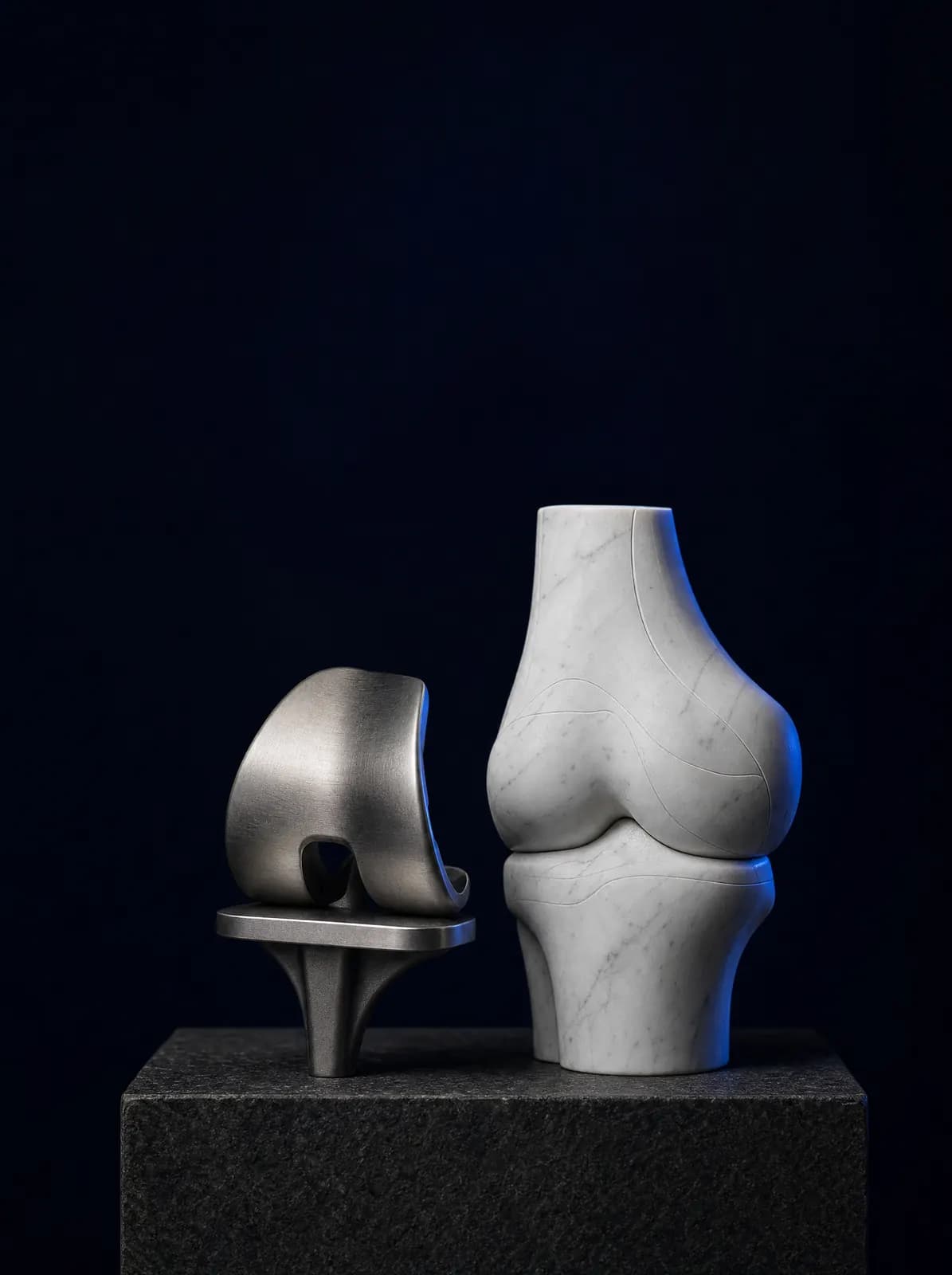
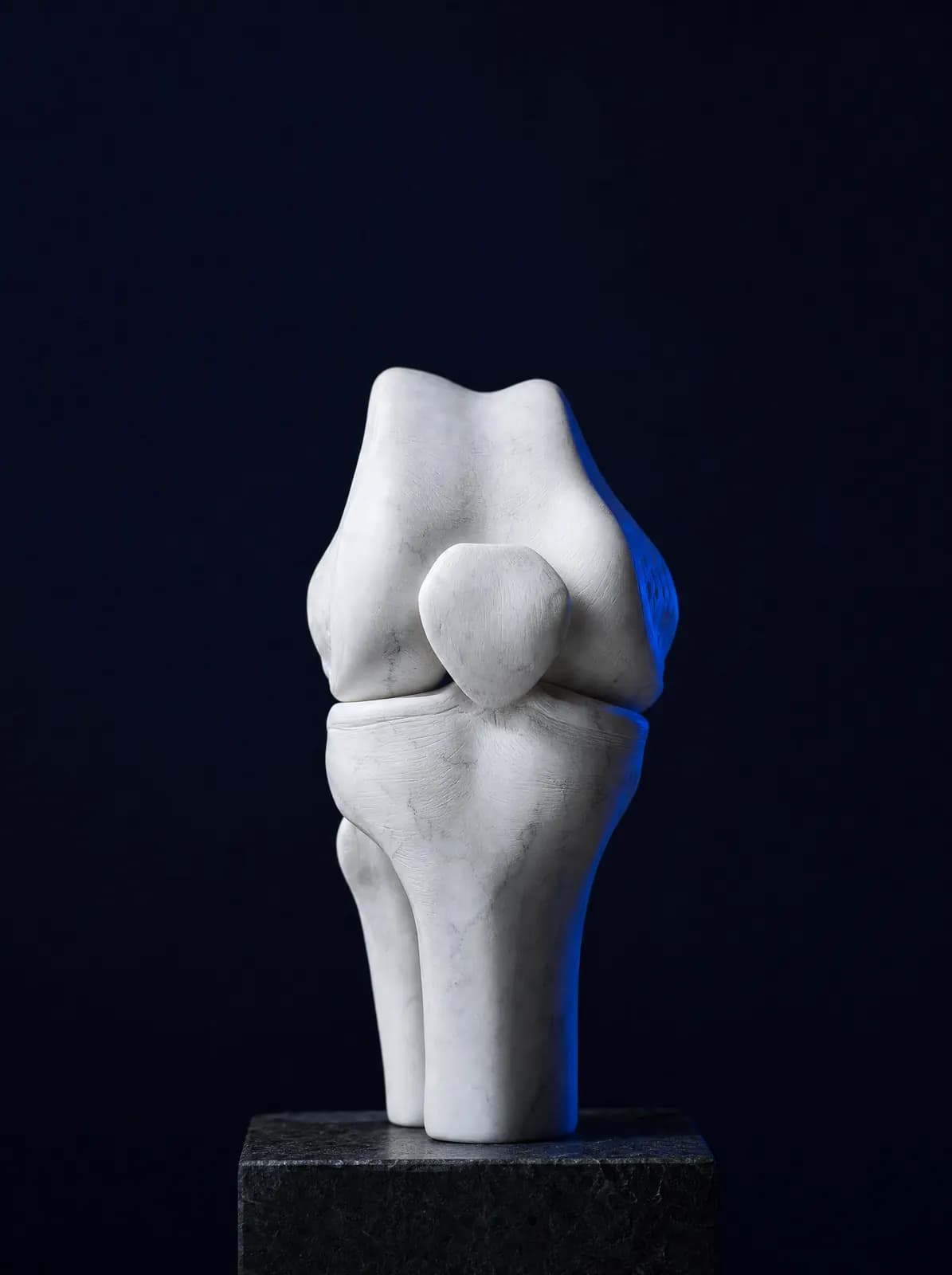
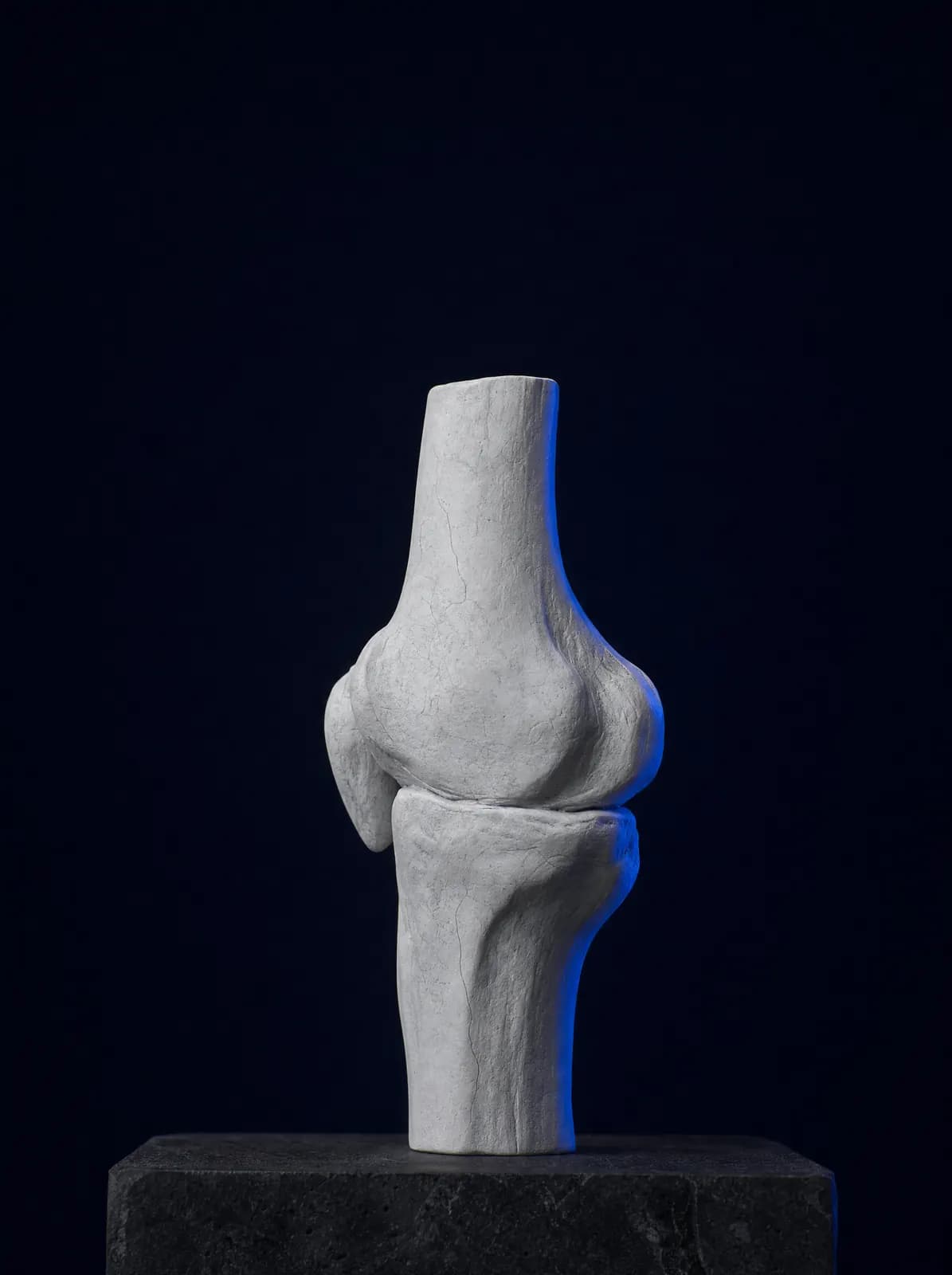
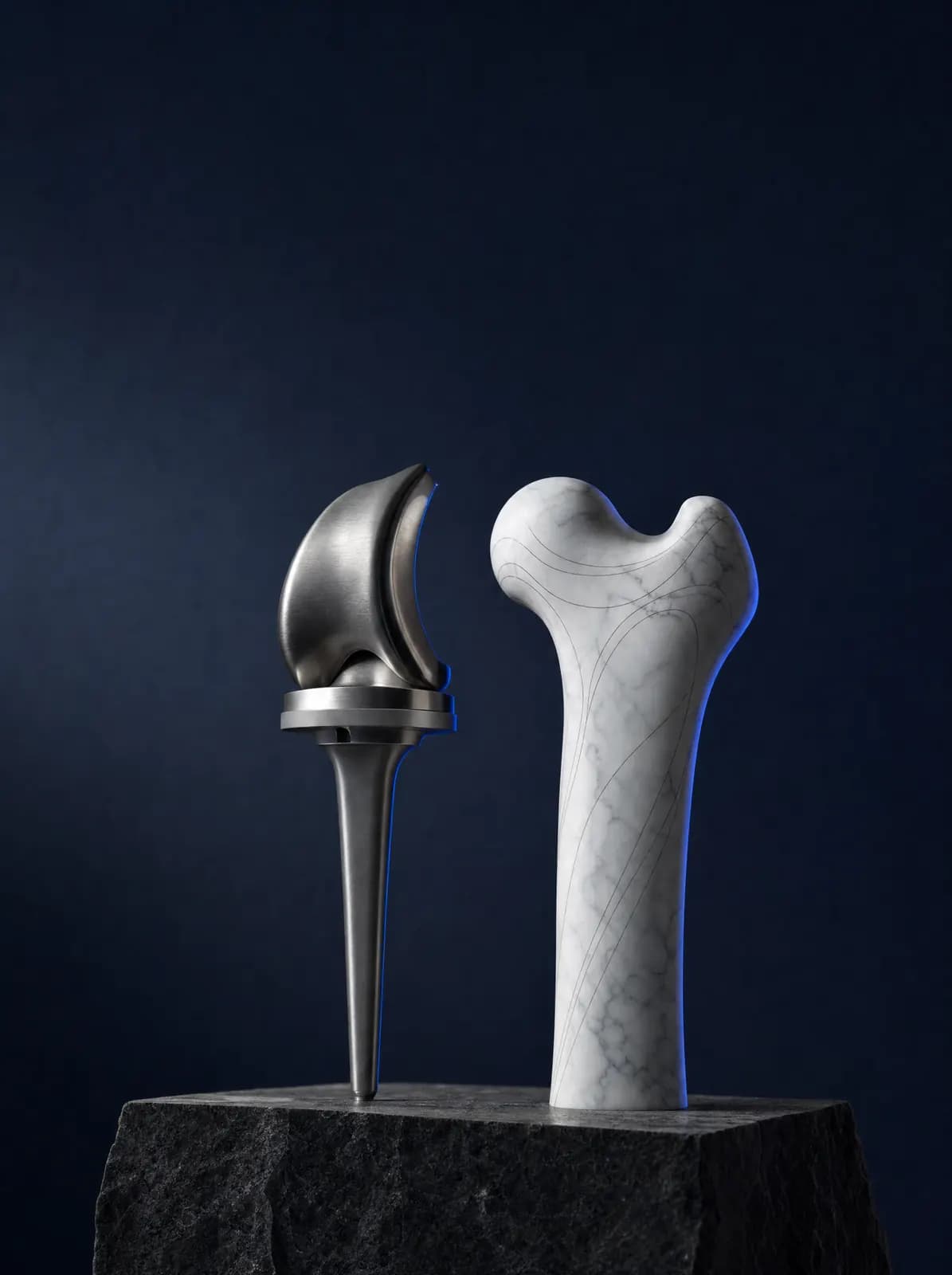
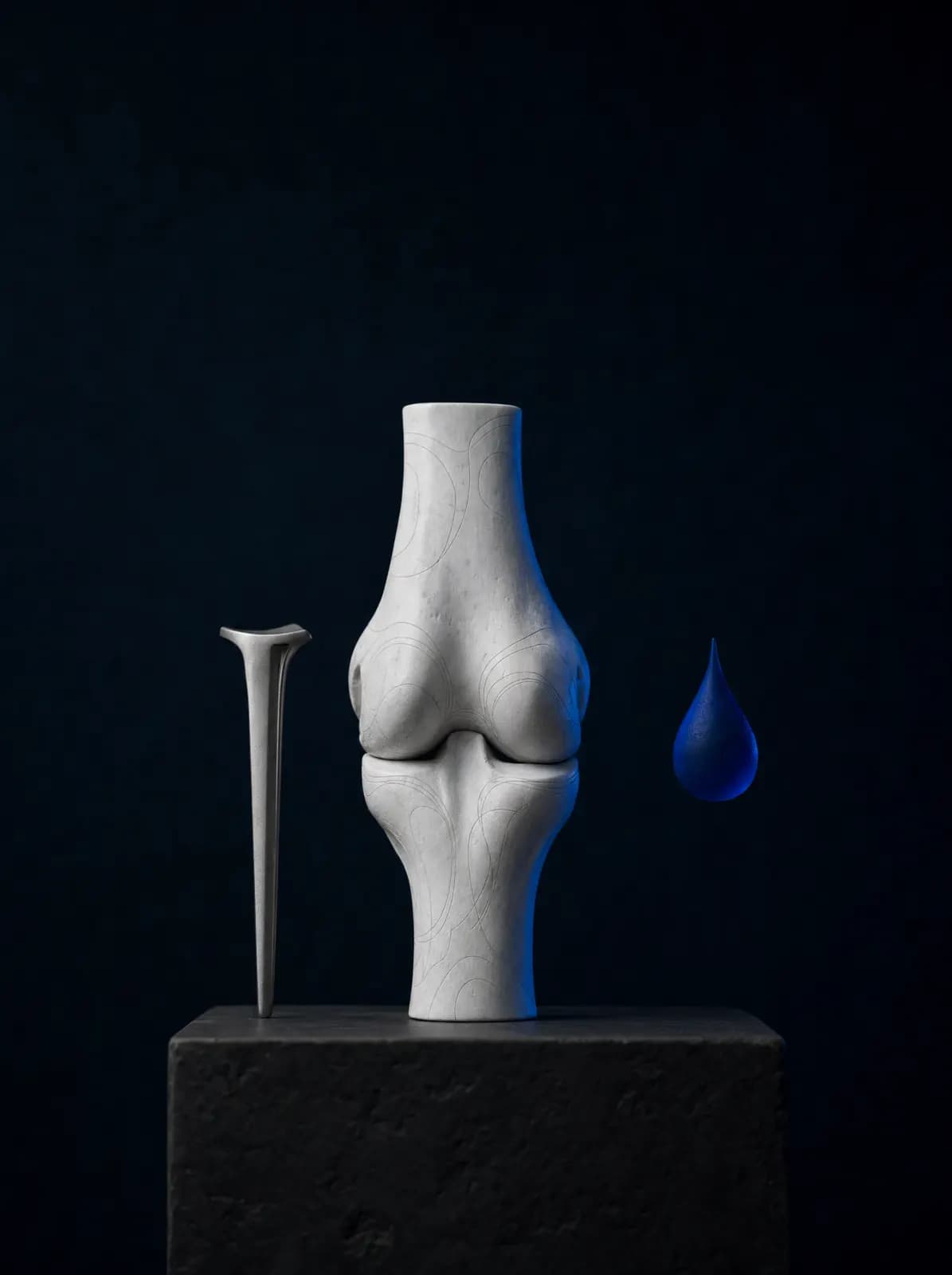
Knee replacement (total knee arthroplasty) removes a thin layer of worn joint surfaces and replaces it with metal and specialised plastic (polyethylene) components. Despite the name, the entire joint is not removed; only damaged surfaces are resurfaced while preserving ligaments and muscles where possible.
The aim is not to provide a new knee, but to control pain and make everyday movement possible again. After surgery, walking distance is expected to increase and activities such as using stairs or the toilet to become easier. Outcomes vary between patients; muscle strength, weight, coexisting conditions and adherence to rehabilitation directly affect the result.
Who Is a Knee Replacement Recommended For?
Replacement is not decided from one image. Broadly, surgery is discussed when advanced knee osteoarthritis (gonarthrosis) or rheumatic joint damage causes persistent pain despite non-surgical treatment and substantially limits daily life.
- Pain that interrupts sleep at night and does not improve with rest
- A marked reduction in walking distance and an increased need for a walking stick
- Insufficient relief from exercise, weight management, medicines and injections
- Advanced joint-space narrowing and bone-on-bone contact on X-rays
- Restricted knee extension or flexion, or increasing leg angulation
What Are the Options if Joint Replacement Is Postponed?
Replacement is not considered in early and moderate stages; weight control, exercises targeting the thigh muscles, medicines and joint injections in selected patients are tried. In younger patients with marked leg malalignment, an osteotomy that shifts loading towards the healthy side may provide an intermediate option before replacement. Non-surgical approaches are detailed on the knee osteoarthritis page.
What Types of Knee Replacement Are There?
The knee has three compartments: inner, outer and kneecap. Implant type depends on the extent of wear.
- Total knee replacement: used when wear affects the whole knee; the most common type.
- Partial (unicompartmental) knee replacement: may be suitable when only one compartment is worn and ligaments are intact; it is a smaller operation but is not suitable for everyone.
- Patellofemoral replacement: considered in selected patients when disease is confined to the kneecap compartment.
- Revision replacement: a more extensive operation for loosening, wear or infection of an existing implant.
How Do I Prepare for Surgery?
Preoperative planning uses standing knee X-rays, full-length leg alignment films and additional imaging when necessary; implant size and bone cuts are planned from these measurements. Blood tests, heart and lung assessment and anaesthetic review are completed. Your doctor will explain which blood thinners, diabetes medicines and rheumatology medicines need to be stopped; do not stop medicines on your own.
Dental, urinary tract and skin infections should be treated before surgery because an infection elsewhere in the body can spread to the implant. Stopping smoking helps wound healing. Quadriceps strengthening started before surgery ("prehabilitation") makes mobilisation afterwards easier. Bed height, toilet seats, grab rails and trip hazards such as rugs and cables should be addressed at home before surgery.
How Is Surgery Performed, and How Long Does It Take?
Surgery is usually performed under spinal or general anaesthesia, selected by the anaesthetist. The joint is accessed through an incision at the front of the knee, worn surfaces are prepared in thin layers, trial components are used to check movement and balance, and the definitive components are then fitted. Ligament balance and leg alignment are among the most important stages.
Surgery on one knee generally takes one–two hours, although this varies with the patient and technique; preparation, anaesthesia and recovery-room time make the total time longer. Nerve blocks and a combination of medicines may be used for pain control during and after surgery; anticoagulants and early movement are planned to reduce clot risk.
Postoperative Recovery: When Can I Walk?
The current aim is early mobilisation. Most patients stand on the day of surgery or the next day, supported by a walker or crutches and accompanied by a physiotherapist and nurse. Hospital stay is usually a few days and varies with the patient's general condition. Discharge criteria include pain controlled with oral medication, safe walking with aids and the ability to use the toilet.
During the first weeks, priorities are wound care, swelling control (ice and leg elevation), exercises to achieve full knee extension, and gradually increasing flexion. Stitches are removed within the first two weeks. Progression from assisted to unassisted walking varies between individuals but usually occurs within a few weeks. Your doctor must clear you for driving, returning to work and travel.
Full recovery takes months: substantial relief is expected in the first three months, followed by slower gains. Warmth, mild swelling and sensitivity to weather changes may persist for a long time and do not alone indicate a problem. Regular adherence to the exercise programme is one of the most important factors affecting the outcome.
Risks and Precautions
Knee replacement is a commonly performed and generally well-tolerated operation, but, like every surgical procedure, it carries risks. These include infection, clots in the leg veins (deep vein thrombosis), wound-healing problems, joint stiffness, fractures around the implant and loosening over time. Preoperative preparation, appropriate antibiotics and clot-prevention treatment, early mobilisation and regular follow-up aim to reduce these risks.
Fever, wound discharge, increasing redness or warmth around the knee, one-sided calf swelling or pain, or sudden breathlessness after surgery require immediate assessment. The practice is not a 7/24 emergency department; call 112 or attend the nearest hospital emergency department if these occur.
Daily Life with a Knee Replacement and Implant Lifespan
Low-impact activities such as walking, swimming, cycling, light fitness and golf are generally recommended after knee replacement. Running, jumping and contact sports are discouraged because they can accelerate wear of the implant surfaces. Prolonged squatting, sitting cross-legged and kneeling are difficult for many patients; home and work arrangements should be adapted accordingly.
Implant components can wear over time. Most patients use their joint replacement without problems for many years; no exact lifespan can be given because weight, activity level, bone quality and alignment affect longevity. Annual review and X-rays when necessary help identify problems such as loosening early. Tell your doctor about your joint replacement before dental extractions or major surgery; additional precautions may be needed to reduce infection risk.
Follow-up appointments for patients from Ordu and nearby are arranged around travel plans; obtain your review dates in writing on discharge.
Frequently Asked Questions
Surgery on one knee generally takes one–two hours. Including anaesthetic preparation, recovery and transfer to the ward, the total time is longer. Duration varies with implant type, deformity severity and previous operations.
Most patients stand with a walker or crutches and physiotherapist support on the day of surgery or the following day. Progression to walking unaided varies but usually occurs within a few weeks, depending on pain control, muscle strength and balance.
Both knees can be replaced in one session for some patients, but age, heart and lung function and general health determine suitability. A gap of several months is considered safer for many. The appropriate approach is agreed after examination and anaesthetic assessment.
The bending achieved after surgery depends on preoperative movement, muscle condition and rehabilitation adherence. Most patients achieve sufficient movement for much of daily life. Prolonged kneeling and full squatting remain difficult for many; alternatives such as praying seated on a chair can be discussed. Share your personal expectations before surgery.
Metal detectors, such as those at airports, may sound. Carry the implant card given after surgery and inform staff. Also always mention your joint replacement before an MRI scan.
Exercise is an integral part of surgery. A prescribed home programme is sufficient for some patients, while supervised physiotherapy is recommended for those with restricted movement or muscle weakness. Consistent participation is one of the most important determinants of outcome.
You can book by telephone or WhatsApp for examination at AC CLINIC in Altınordu. Previous knee X-rays, MRI scans and a medication list help the assessment.
References
Appointments and Contact
Call or contact us on WhatsApp to arrange an appointment. Briefly describe your symptoms; we try to schedule your examination and any necessary imaging on the same day.
- Opening hours
- 08:30–18:00Monday – Saturday
The clinic is not a 24/7 emergency department. For a fracture, dislocation, open wound, or inability to bear weight with fever, call 112 or attend the nearest hospital emergency department.