Tennis Elbow (Lateral Epicondylitis) Treatment
Tennis elbow is degeneration of the tendons on the outside of the elbow from repetitive strain. Reducing load and appropriate exercise are the basis of treatment; this page explains which options are considered at each stage and why.
Also known as: Lateral epicondylitis, Lateral epicondylalgia, Lateral epicondylar tendinopathy, Tennis elbow
Your Treatment Pathway
Examination
The diagnosis is clarified by the location of pain, grip strength and resisted tests.
Imaging if Required
X-rays, ultrasound or MRI are planned in uncertain or persistent cases.
Load Management
Provoking movements are reduced, and work and tool use are adjusted.
Exercise and Treatment
Progressive stretching and strengthening, with taping, physiotherapy or injection if needed.
Follow-up and Movement
Pain and grip strength are monitored; the goal is a gradual, lasting return to daily tasks.
What Is Tennis Elbow?
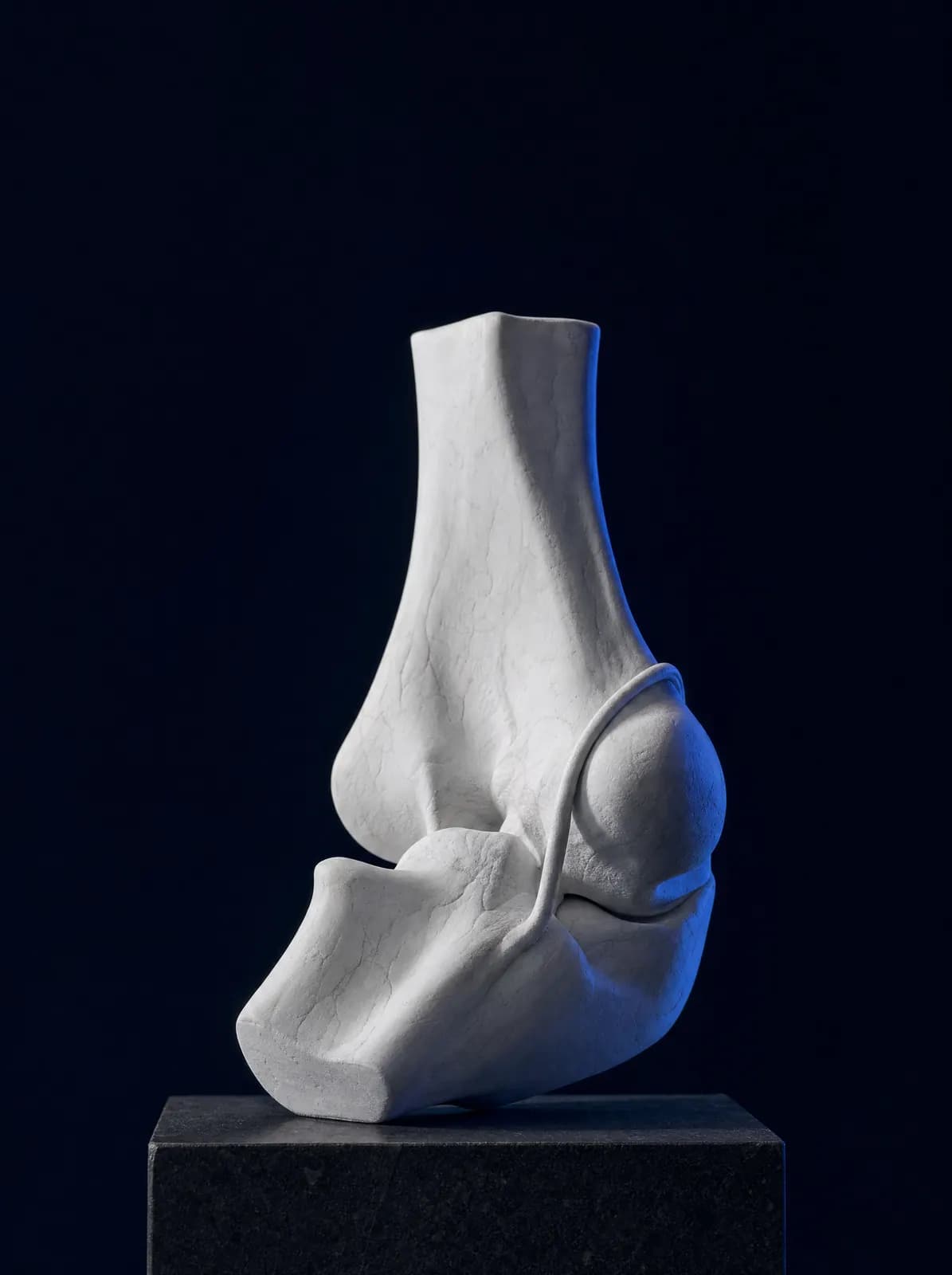
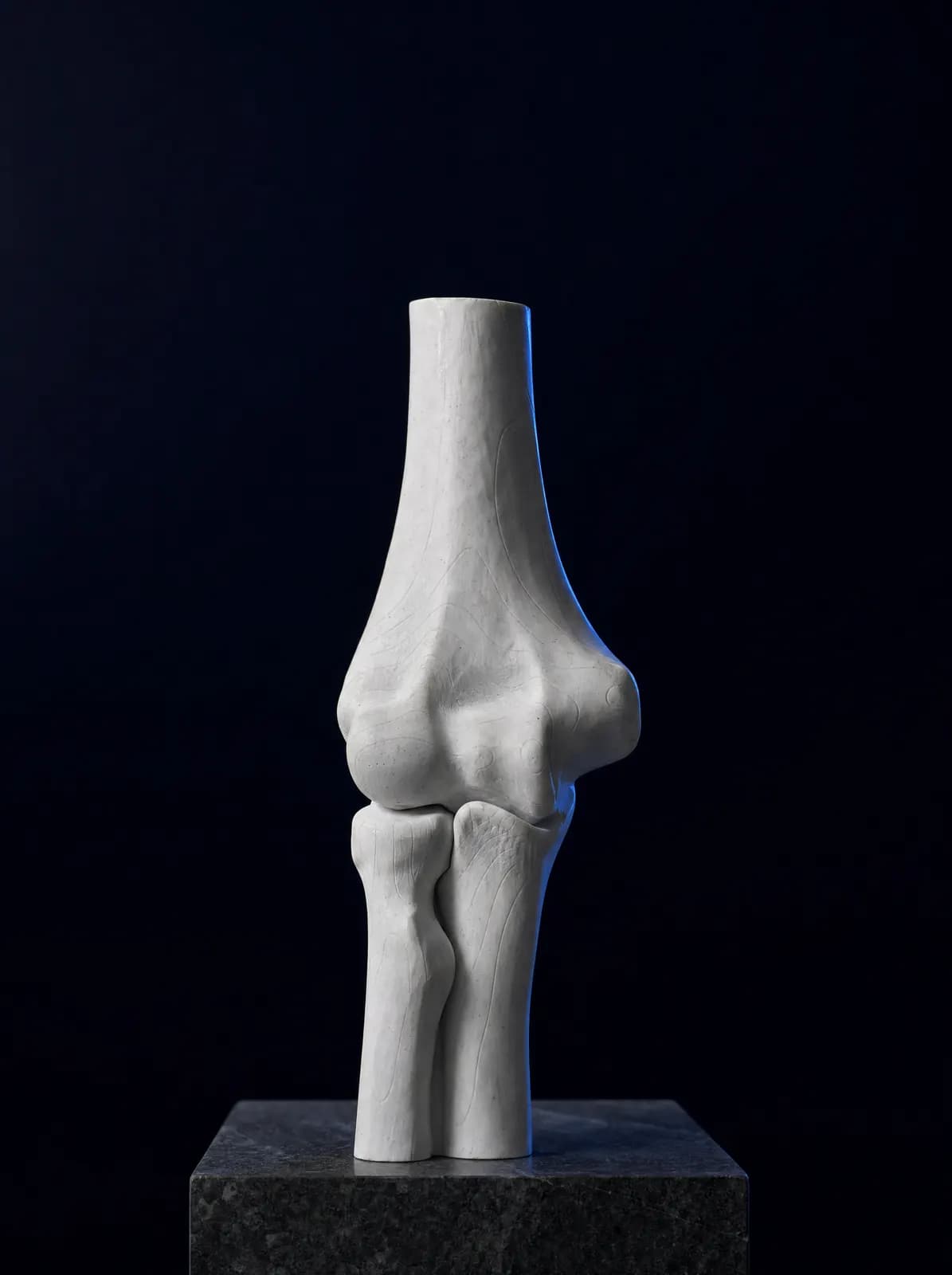
The muscles that lift the wrist and fingers attach through a common tendon to the bony prominence on the outside of the elbow, the lateral epicondyle. Repetitive strain and degeneration of this tendon, particularly the extensor carpi radialis brevis (ECRB) portion, is called lateral epicondylitis, commonly tennis elbow.
Despite the '-itis' suffix, inflammation in the traditional sense is not the dominant process. Microscopic examination shows disorganisation of tendon fibres and inadequate repair; the condition is therefore now treated as a tendinopathy (tendon degeneration). Understanding this changes treatment: pain relief alone is insufficient; the tendon must gradually relearn how to tolerate loading.
Most patients have never played tennis. Common triggers in Ordu and the surrounding area include hazelnut picking and cracking, tea-growing and gardening, carpentry, painting, butchery, repairs involving screwdrivers and spanners, hairdressing and prolonged keyboard and mouse use. The shared factor is repeated loading of the wrist in the same direction while gripping. It occurs most often between ages 35–55, in the dominant arm.
What Are the Symptoms?
Symptoms usually develop gradually over weeks, though some begin suddenly after strenuous work. The most commonly described pattern is:
- Localised tenderness directly over the bony prominence on the outside of the elbow
- Pain increases when opening jars, turning handles or holding a bag or glass of water
- Pain spreading along the outside of the forearm towards the wrist
- Reduced grip strength; dropping objects from the hand
- Stiffness with the first movements in the morning and pain that increases with activity during the day
- Elbow bending and straightening are usually unrestricted; movement is preserved, while gripping causes pain
How Is It Diagnosed?
Diagnosis is largely based on history and examination. Tenderness over the lateral epicondyle is located; reproducing the same pain when extending the wrist or middle finger against resistance is typical. Grip strength is compared between sides.
Imaging is not required for every patient. X-rays may be requested in persistent cases to exclude calcium deposits within the tendon, joint wear or another bone problem. Ultrasound and MRI are used when the diagnosis is uncertain, a tendon tear is suspected or treatment has not helped. If numbness and weakness predominate, nerve conduction testing (EMG) may be requested to distinguish nerve-related conditions.
Which Symptoms Can It Be Confused With?
Pain on the inner side of the elbow is not tennis elbow; it suggests golfer's elbow (medial epicondylitis), which affects the attachment of the muscles that bend the wrist. Numbness extending into the little and ring fingers suggests compression of the nerve in the elbow tunnel and is discussed under hand surgery. Catching, locking or an inability to fully straighten the elbow suggests an obstruction inside the joint or joint wear. Nerve compression in the neck can also cause pain along the outside of the arm, so neck movements are assessed during examination.
What Are the Non-surgical Treatments?
Tennis elbow is largely treated without surgery; many patients improve with an appropriate programme. The programme has three elements: adjusting load, gradually strengthening the tendon and managing pain. Rest alone is usually insufficient; pain decreases but returns on resuming work.
Load Management and Working Habits
The aggravating movement is reduced and modified rather than stopped completely. Turning jars or doors with the palm upwards, carrying weights with both hands close to the body, thickening tool handles and adjusting keyboard and mouse height to keep the wrist neutral can substantially reduce load.
Exercise Programme
The most important part of treatment is exercise that loads the tendon in a controlled way. It usually begins with stretching; slow, controlled lowering exercises (eccentric loading) using light weights or a resistance band are then added. The programme is progressively increased over several weeks, with grip strength trained alongside the shoulder girdle muscles. Mild discomfort during exercise may be acceptable; sharp pain indicates excessive loading. Adapting the programme to the patient and maintaining it regularly are the most important factors affecting the outcome.
Taping, Wrist Supports and Physiotherapy
An epicondylitis strap worn on the forearm and a wrist support that holds the wrist neutral can reduce tendon loading and make daily tasks easier; they do not cure the condition on their own, and continuous all-day use is not recommended. Cold applications, anti-inflammatory medicines and pain-relieving creams offer short-term relief. In physiotherapy, methods such as ESWT (shockwave therapy) are used alongside stretching and strengthening in selected patients; suitability is determined during examination.
Injection Treatments
A cortisone injection may reduce pain quickly, but has not shown clear long-term superiority over an exercise programme, and repeated injections risk weakening the tendon. It is therefore used in limited numbers and selected circumstances.
PRP (platelet-rich plasma) and other regenerative methods may be considered to support tendon healing. Evidence for these applications is still being investigated, and they are not suitable for every patient; expected effects, number of sessions and the post-procedure exercise programme should be discussed beforehand. A comparison is provided on the PRP treatment page.
When Is Surgery Needed?
Surgery is not the first option for tennis elbow. It is considered when symptoms continue for six months to a year despite consistent exercise and load modification, pain substantially affects work and sleep, and imaging shows advanced tendon degeneration or a tear.
During surgery, damaged tendon tissue is removed and, where necessary, healthy tendon is reattached to the bone. The procedure may be open or arthroscopic; the choice depends on the tendon and accompanying problems. A short period of protection is followed by gradual movement and strengthening; returning to work involving heavy gripping generally takes several months. A substantial reduction in pain is expected in most patients, but no surgical result can be promised in advance. Possible risks and recovery are discussed in detail at the consultation.
How Long Does It Take to Resolve, and What If It Does Not?
Tennis elbow requires patience. Symptoms decrease substantially over weeks to a few months in most patients, but recovery can approach a year in some. Common reasons for delay are inconsistent exercise, returning too early to full-load aggravating work, and relying solely on painkillers or a support strap.
If symptoms do not improve within the expected period, the diagnosis is reviewed: a tendon tear, nerve-related condition, intra-articular problem or neck-related pain may coexist. Imaging, changes to the programme or a different treatment step are then discussed.
What Should You Consider in Daily Life?
Take more frequent breaks during work requiring a strong grip, and avoid repeating the same movement for hours. Thick, non-slip tool handles, carrying weights with the palm facing upwards and alternating hands help protect the tendon. A few weeks of preparatory exercise before intensive seasonal work such as cracking hazelnuts, pruning or painting reduces strain risk.
Do not stop exercises immediately when pain resolves; continuing strengthening for a while reduces recurrence. If pain returns, reducing load and seeking early assessment helps prevent a prolonged problem.
Frequently Asked Questions
With an appropriate programme, symptoms begin decreasing within weeks in most patients. Full recovery can take months and, in some, almost a year. The most important factors are regular exercise and reducing aggravating movements for a period.
The name is misleading. Most patients are not athletes; any work that repeatedly strains the wrist can trigger the condition, including cracking hazelnuts, gardening, carpentry, painting, hairdressing, repair work and prolonged keyboard or mouse use.
It may be used in selected cases and in limited numbers. It reduces pain quickly, but has not shown long-term superiority over exercise, and repeated injections may weaken the tendon. Examination, symptom duration and previous treatment guide the decision.
PRP is one method used to support tendon healing; the evidence remains under investigation and it is not appropriate for every patient. It is planned alongside exercise rather than alone. Details and options are discussed on the PRP treatment page.
The strap is worn around the upper forearm, a few finger-widths below the elbow prominence, to reduce tendon loading. It may help during demanding tasks, but does not cure the condition alone and should not be worn continuously all day. Correct position and tightness are demonstrated during consultation.
No. Most patients improve without surgery. Surgery is discussed when symptoms persist for six months–one year despite a consistent programme and imaging shows advanced tendon damage.
You can book by telephone or WhatsApp at AC CLINIC in Altınordu. Noting when symptoms began, which activities worsen them and previous treatments, and bringing any X-rays or MRI scans, helps the assessment.
References
Appointments and Contact
Call or contact us on WhatsApp to arrange an appointment. Briefly describe your symptoms; we try to schedule your examination and any necessary imaging on the same day.
- Opening hours
- 08:30–18:00Monday – Saturday
The clinic is not a 24/7 emergency department. For a fracture, dislocation, open wound, or inability to bear weight with fever, call 112 or attend the nearest hospital emergency department.